Nose-to-tail? No longer. It’s leaf-to-root at freshly opened Oyster Oyster in Shaw, a prix-fixe restaurant that aims to revolutionize the way you eat your vegetables—as well as bivalves.
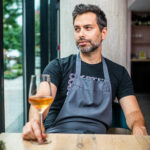
Sophistication and sustainability star at this plant-forward restaurant, which was named for both oysters and oyster mushrooms. Industry veterans Max Kuller and Rob Rubba spent more than two years developing their back-of-a-cocktail-napkin idea into an upscale, farm-to-table center for “vegetable cookery.”
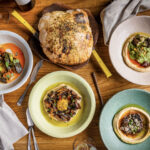
Unable to open the intimate dining room due to the COVID-19 pandemic, Rubba, the executive chef, crafts four-course dinners ($65 for two) for takeout only, available Thursday-Sunday by preorder only. The “micro-seasonal and hyper-local” menus may change up to twice weekly, according to Kuller.
Oyster Oyster is a project that’s a “culmination of an evolution of where we are a humans and chefs, nourishing people and the earth as our careers,” says Kuller, who also owns Estadio (his father founded Proof, Estadio, Doi Moi, and 2 Birds 1 Stone).
Though Kuller and Rubba are both vegetarians, Kuller started to experiment with eating oysters in recent years. “I’m interested in the idea that they are non-sentient beings, and that they provide enormous ecological benefits,” he says. Scientists have found that oyster farming on the Chesapeake Bay is making the waterway healthier. While oysters are not yet available at Oyster Oyster (the team is still finalizing sourcing), the final menu will feature the mollusk in part to reflect its dedication to sustainability.
This is why Oyster Oyster bills itself as plant-forward, not vegetarian, Kuller says. “Our philosophy isn’t just about vegetables, it’s about stewardship, from the business practices of vineyard partners to compostable takeout boxes to cocktails using scraps from cooking,” he says. The restaurant also offers vegan options.

As for the other half of the name, Rubba, a mushroom evangelist and the former chef behind Shaw restaurant Hazel, says that fungi represent “a symbol of healthy and happy earth, like oysters of a happy sea. They’re expressive of flavors of the soil and where they come from.”
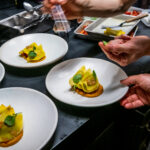
Rubba crafts everything in house, from bread to kombucha to 12-month fermented ingredients. He and Kuller say they source all their ingredients — even cooking oil — from small farms and co-ops in the mid-Atlantic, aiming to use them at the peak of freshness.
For example, Rubba says: “Chefs throw peaches in sorbet all summer, but the fruit is the juiciest for just three weeks. We only serve them we can capture the magic of when you’re biting into a peach at the orchard.”
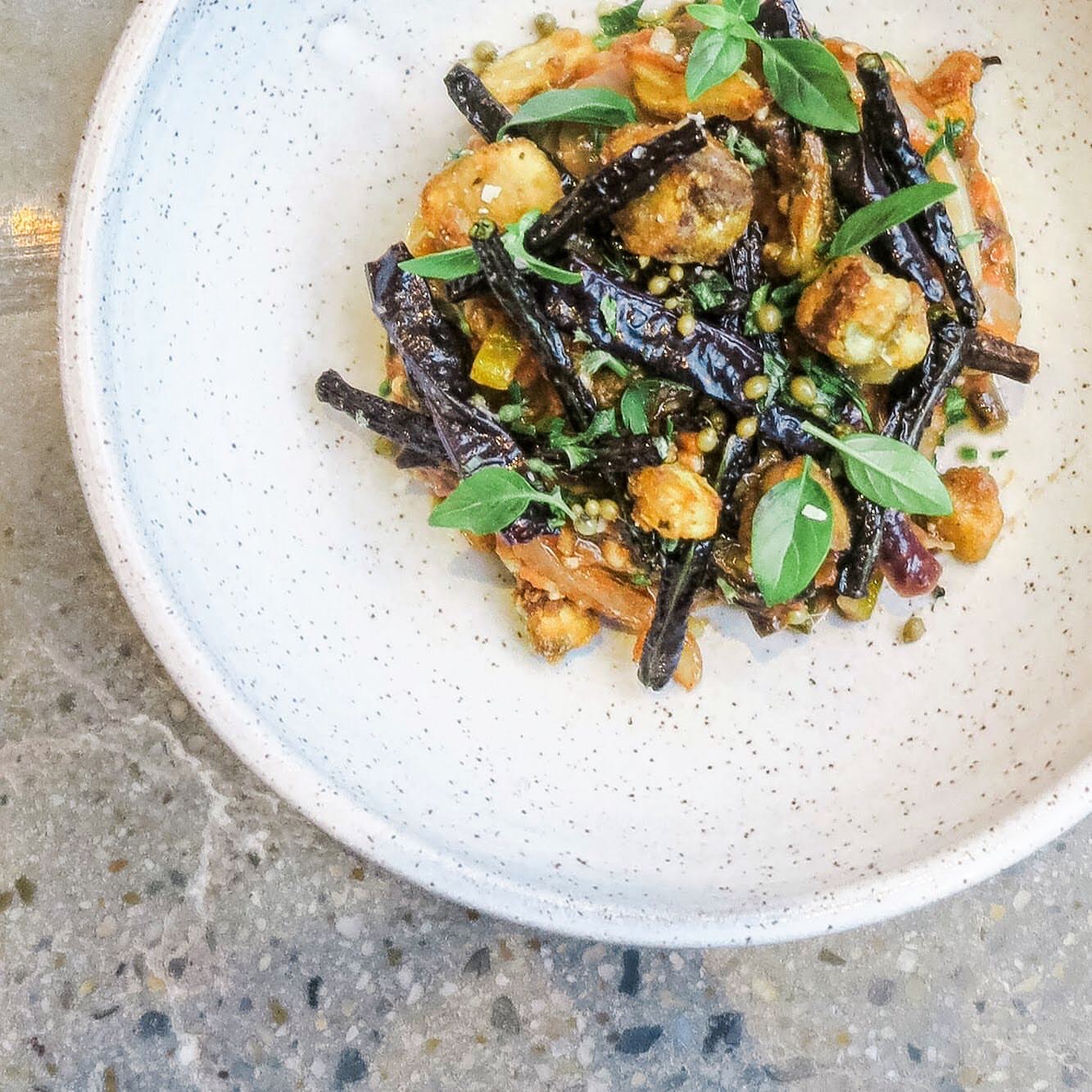
This is why the menu changes so frequently, depending on what farmers can supply. A recent plate paired fermented carrots with fresh carrots from the same farm, alongside fennel four ways: fermented, fresh, fronds, and fennel capers.
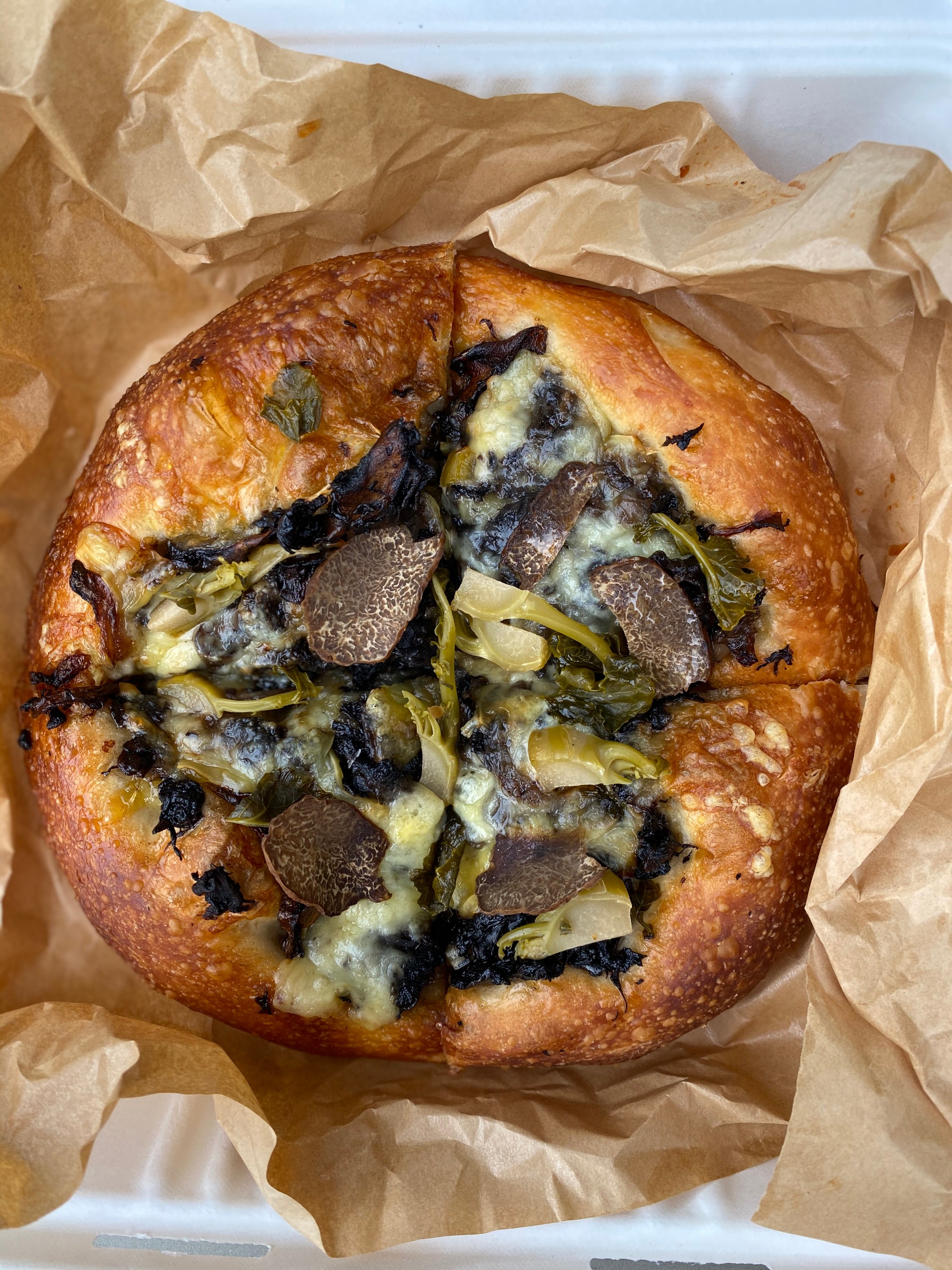
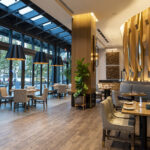
The team was set to open in March, right when the pandemic restrictions began. They say that they’re not comfortable opening the indoor dining area quite yet: Instead they’re curating the takeout experience. The team plans to offer extras like candles in oyster shells and a playlist so that diners can create that refined feeling while eating at home during a pandemic.Virginia-grown truffles are available as an add-on topping to elevate certain dishes ($8). Kuller even hand-decorates many of the to-go bags.
On Wednesdays, the refined meals transform into funky and playful a la carte dishes ($5-$15) in the form of Scrappy’s, a pop-up Rubba launched at Estadio earlier this year when that restaurant paused indoor service.
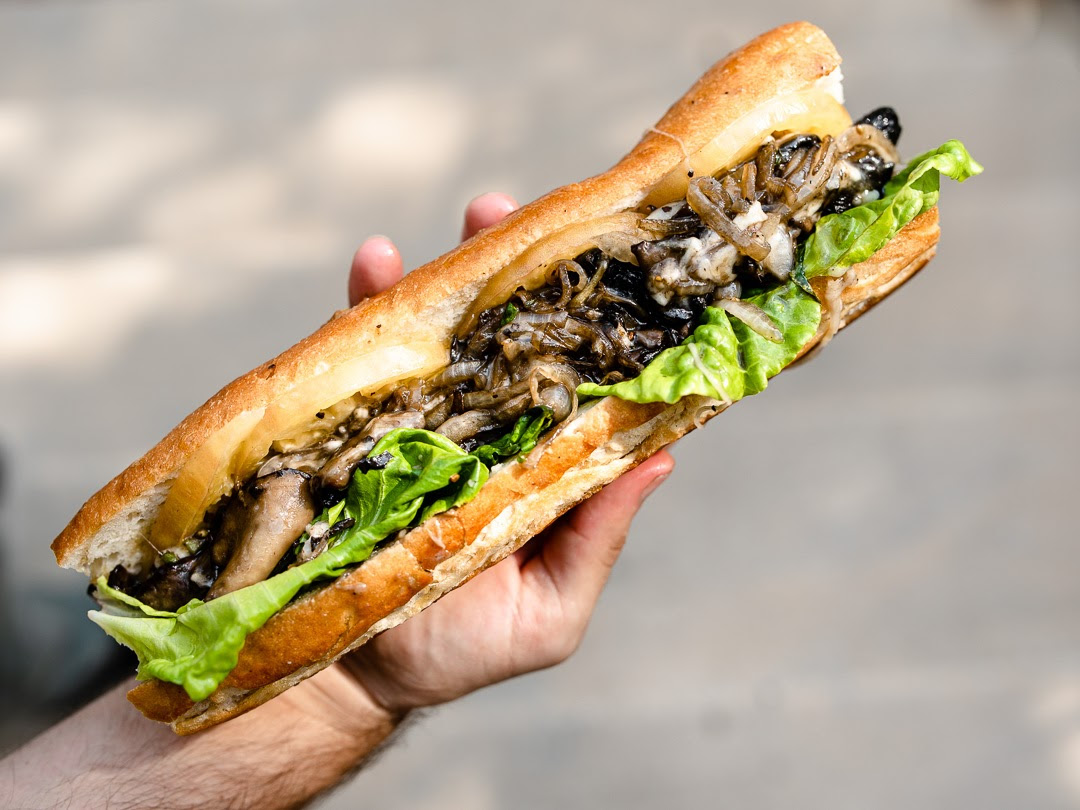
“Every Wednesday is something fun,” says Kuller; offerings have included a gooey king-mushroom cheesesteak and a meaty sorghum burger. Look out for an upcoming Teenage Mutant Ninja Turtle “cowabunga pizza night” using Rubba’s house-made dough.
The duo — the only full-time staff — tapped Sara Horvitz as wine director to pair sustainable, organic, and biodynamic wines ($22-$33), as well as canned craft beers and ciders ($4-$6), with the meals.
They also drafted Estadio’s Adam Bernbach as bar director to introduce in-house brewed beer fermented from local oyster mushrooms, oyster yeast, and wheat. Bernbach also crafts bottled cocktails to “bridge the kitchen and bar, utilizing food trimmings in his spirits, juices, tinctures, and liqueurs,” says Kuller.
Kuller and Rubba had planned to use an alcove decorated in mushroom-inspired graffiti art—dubbed the Oyster Garage—as an all-day hangout spot and café. For now, though, they hope to use it for a different capacity going forward, perhaps a private event space.
A patio is also in the works for the fall. Until then, it’s “fine-dining to-go to nourish people and the earth,” Kuller says.
Oyster Oyster is located at 1440 Eighth Street NW. Open for takeout 5-7:30 p.m.Wednesday-Sunday; pre-order only via Tock.