Jacob Fenston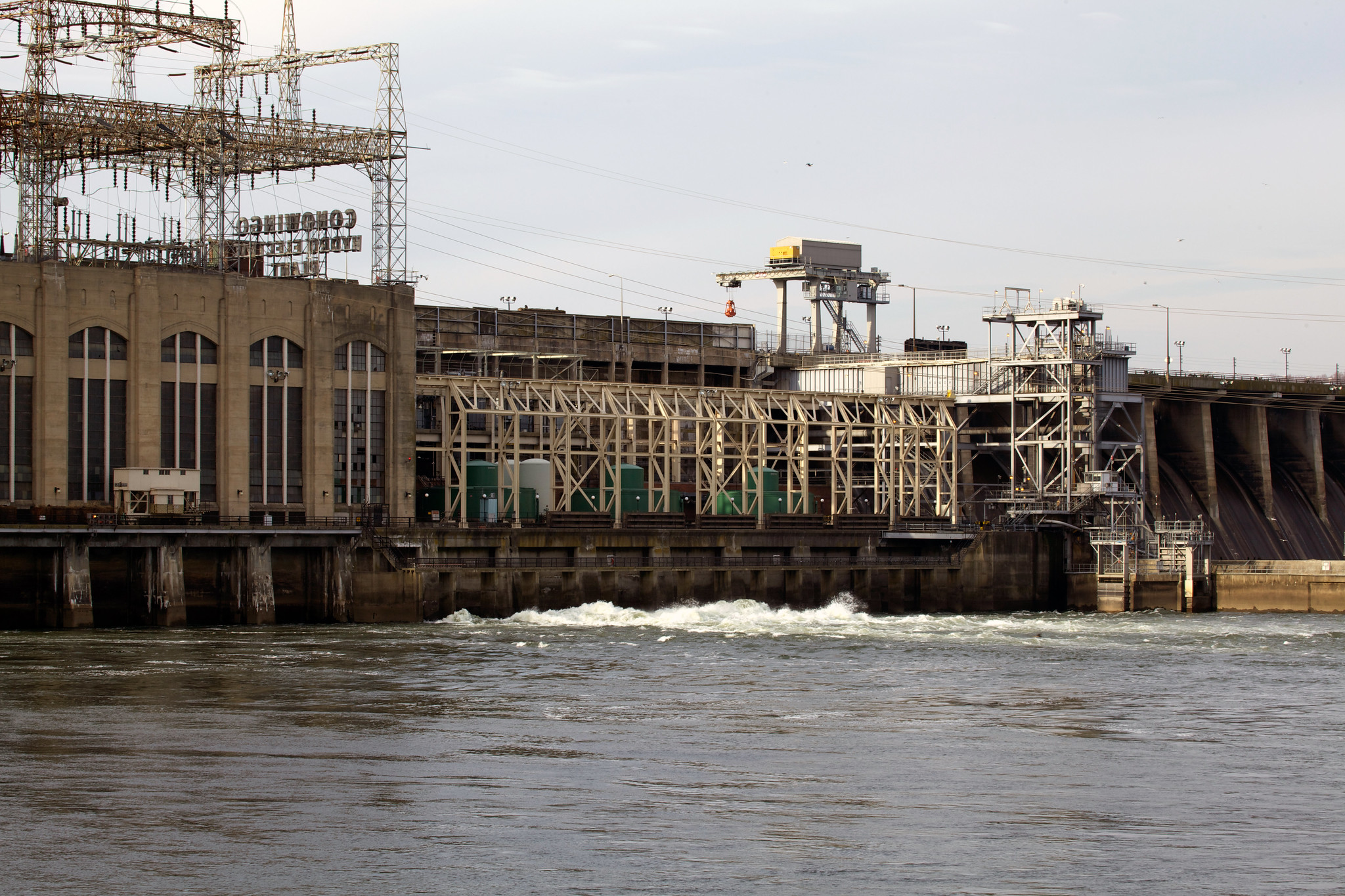
The Environmental Protection Agency isn’t doing its job, and is failing to enforce the cleanup of the Chesapeake Bay, according to two lawsuits filed today. The suits allege that under President Trump, the EPA has allowed Pennsylvania and New York to continue polluting at high levels, in violation of federal law and a cleanup agreement signed in 2014.
One lawsuit was filed by the attorneys general of D.C., Maryland, Virginia, and Delaware, while another similar suit was filed by the Chesapeake Bay Foundation, Anne Arundel County, the Maryland Watermen’s Association, and two Virginia farmers.
“With this lawsuit we’re seeking to force the EPA to do its job,” said D.C. Attorney General Karl Racine, in a virtual press conference. “We will not allow the Trump Administration to undermine decades of hard work or threaten billions of dollars of states that have already been invested to help clean up the bay.”
The Chesapeake Bay is the largest estuary in the United States — a complex ecosystem that’s home to some 3,600 species of plants and animals. It has been recognized by Congress and President Obama as a “national treasure.”
When Europeans first arrived in the bay in the early 1600’s, there were so many oysters, they proved a hazard to navigate around. According to English explorer John Smith, oysters “lay thick as stones,” and there were more sturgeon “than could be devoured by dog or man.”
But the bay, like many waterways, went into decline in the 20th century. Oyster populations are a fraction of what they once were, and sturgeon are rare in the Chesapeake and its tributaries. In 1983, the states in the bay watershed signed the first cleanup agreement. But ever since, for nearly 40 years, agreement after agreement has failed, as states did not meet pollution reduction targets. Some progress was made, but never meeting the goals set in the agreements.
In 2014, the six states in the watershed plus D.C., signed an agreement with the EPA that was supposed to be different. Under this agreement, the EPA would have enforcement powers to hold states accountable. But according to the lawsuit, the agency has failed to do this.
Virginia Attorney General Mark Herring said the EPA’s lack of action is “potentially erasing decades of progress that we have made in reducing pollution levels and restoring the bay.”
“We will not let the Chesapeake Bay die on our watch,” said Maryland Attorney General Brian Frosh. “This has to be a collective effort. Every state in the Chesapeake Bay watershed needs to play a part and the EPA under the law, needs to ensure that that happens.”
Each state was required to submit its final plan last year, outlining how it would meet pollution reduction targets by the deadline of 2025. By that year, all states are supposed to have in place the various controls and practices sufficient to reduce pollution to legal levels, as set out in the 2014 agreement. But plans submitted by Pennsylvania and New York fell short.
According to the EPA’s analysis of Pennsylvania’s final plan, the state’s actions would only get three-quarters of the way toward the required reduction of nitrogen pollution by 2025. New York’s plan would achieve just two-thirds of required reductions.
But the EPA approved the plans anyway.
Now, the lawsuits are seeking to make the EPA revoke its approval of the plans, and require New York and Pennsylvania to include more stringent pollution controls.
In a statement emailed to WAMU/DCist, EPA spokesperson Roy Seneca wrote that the agency was “fully committed to working with our Bay Program partners to meet the 2025 goals.” Seneca did not directly refute the allegations that the EPA was failing to enforce the cleanup as required by law, but wrote, “We have taken and will continue to take appropriate actions under our Clean Water Act authorities to improve Chesapeake Bay water quality.”
Maureen Wren, a spokesperson for the New York State Department of Environmental Conservation, said in an email that the department does not comment on pending litigation. But she indicated that New York was not responsible for the bay’s pollution problems. New York and Pennsylvania do not touch the Chesapeake, but the Susquehanna River, a major Chesapeake tributary, flows through both states.
“EPA monitoring data confirms that if the quality of the water in Chesapeake Bay were as good as the water quality in New York’s portion of the Susquehanna River, the Chesapeake would not be impaired,” wrote Wren. “This scientifically confirmed fact makes the key point — Chesapeake Bay pollution is not from New York. New York is fulfilling its clean water responsibilities.”
The Pennsylvania Department of Environmental Protection did not respond to a request for comment.
The Susquehanna River has its headwaters in New York, but runs mostly through Pennsylvania. It provides about half of the fresh water that flows into the Chesapeake Bay, and was named one of the “most endangered rivers” in 2016 by the organization American Rivers.