 Jordan Pascale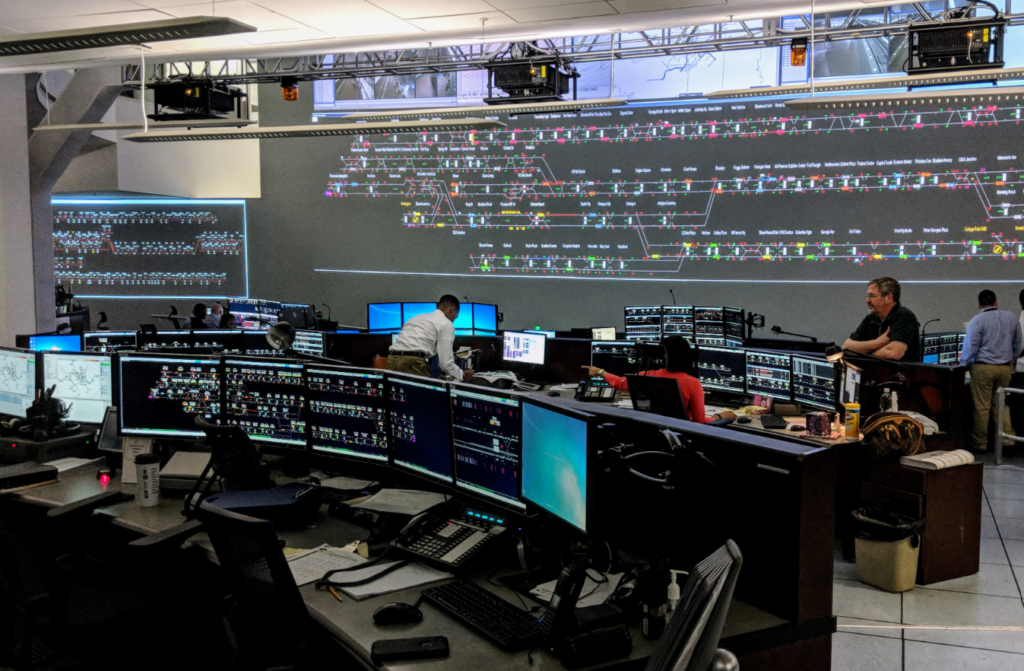
Updated 5:55 p.m.
It could be the largest rail disruption since Metro shut down the system for a day in 2016 to inspect power cables that started fires.
Metro board member David Horner says WMATA should shut down the entire rail system until it can address significant safety, staffing and cultural issues at its rail “nerve center,” known as the Rail Operations Control Center. He also suggested he’ll come up with a plan to reorganize the Control Center.
Horner’s remarks came during Thursday’s online board meeting.
“I urge you to take radical action to fix the ROCC,” Horner said, referring to the 2016 shutdown “The situation then and now are not dissimilar.
“The WMSC report states ‘the serious safety concerns’ identified in the report ‘creates a variety of safety risks for everyone who depends on Metrorail’ Horner said. “You might consider a total or partial standdown of the system while the ROCC gets reconstituted on an expedited basis.”
Horner said the impact would be smaller since rail ridership is historically low due to the pandemic.
If a shut down does occur, the stakes are significantly lower than in 2016. The coronavirus pandemic has slashed rail ridership nearly 90%, but about 80,000 trips a day are still happening on rail. Those riders would have to shift to a bus system that is already near capacity or find another option.
Horner also called for reorganization of WMATA leadership, saying that the problems at the ROCC have been ongoing for decades. He said that shows that management and the board don’t have the tools they need to address the problems quickly. Horner said he plans to pitch this idea with the help of local jurisdictions that contribute to Metro’s budget.
A Washington Metrorail Safety Commission audit released Tuesday found an under-staffed and over-worked workforce at the rail center that controls train movements. The audit found 21 issues that need to be addressed.
Metro has a two-year plan to address short, medium and long-term issues. In July, it reassigned the ROCC director and it has also reassigned the senior vice president of rail, who Metro says tried to interfere with the investigation.
But some board members said those actions aren’t enough.
Michael Goldman, a board member from Maryland, agreed with Horner and encouraged WMATA to take those drastic steps.
“Cultural change is essential to maintaining safety for riders on the system,” he said. “Treat this as a crisis.
“[We need to] take extra steps to bring the ROCC up to the safety culture needed.”
It’s unclear what Metro thought of the idea. The live stream of the meeting cut out after Horner’s comments.
When the live stream resumed, General Manager Paul Wiedefeld agreed that change needs to happen at the ROCC, but did not address the proposed shutdown. WAMU/DCist has reached out to Metro for comment.
Both Board Chair Paul Smedberg and Rider Advisory Council Chair Andrew Kierig said it wasn’t the right solution to the problem.
“We are not dealing with the same situation when we shut down the system for 24 hours for SafeTrack. I do not think that approach is a practical solution to the ROCC,” Smedberg said in a text to WAMU/DCist. “If there were a time we felt it was truly unsafe we would seriously consider that approach.”
In a tweet, Kierig agreed.
“While the situation at the ROCC is apparently quite bad, I fail to see how a 24hr? Week? Month? shutdown of Metrorail would solve any of it,” they said. “How would WMATA even provide replacement bus service across the whole system?”
Kierig argues WMATA couldn’t, saying “it kinda sounds like a backdoor attempt to save money by hurting riders.”
Board Deliberates How To Tackle Budget Woes
At its regularly-scheduled Thursday meeting, the board also discussed continued service cuts and potential for major layoffs due to budget constraints related to the pandemic. Maryland board member Michael Goldman pushed back on the idea of reinstating “turnbacks” on the Red Line, which would reduce service on the outer edges of the line. Virginia board member Matt Letourneau encouraged the board to not think parochially during the crisis.
Metro faces a $212 million budget gap if more federal funding doesn’t arrive. It doesn’t appear that Congress will provide that funding as of now.
ATU Local 689, Metro’s largest union, sent out a statement Thursday. Its title: “It Doesn’t Have to Be This Way.”
In the statement, the union advocated for more federal funding and that “the worst-case scenario can still be avoided if we move fast… Political gridlock threatens to strand countless transit-dependent riders across the country.”
The union says once layoffs and service cuts happen it “takes years to recover.”