Colleen Grablick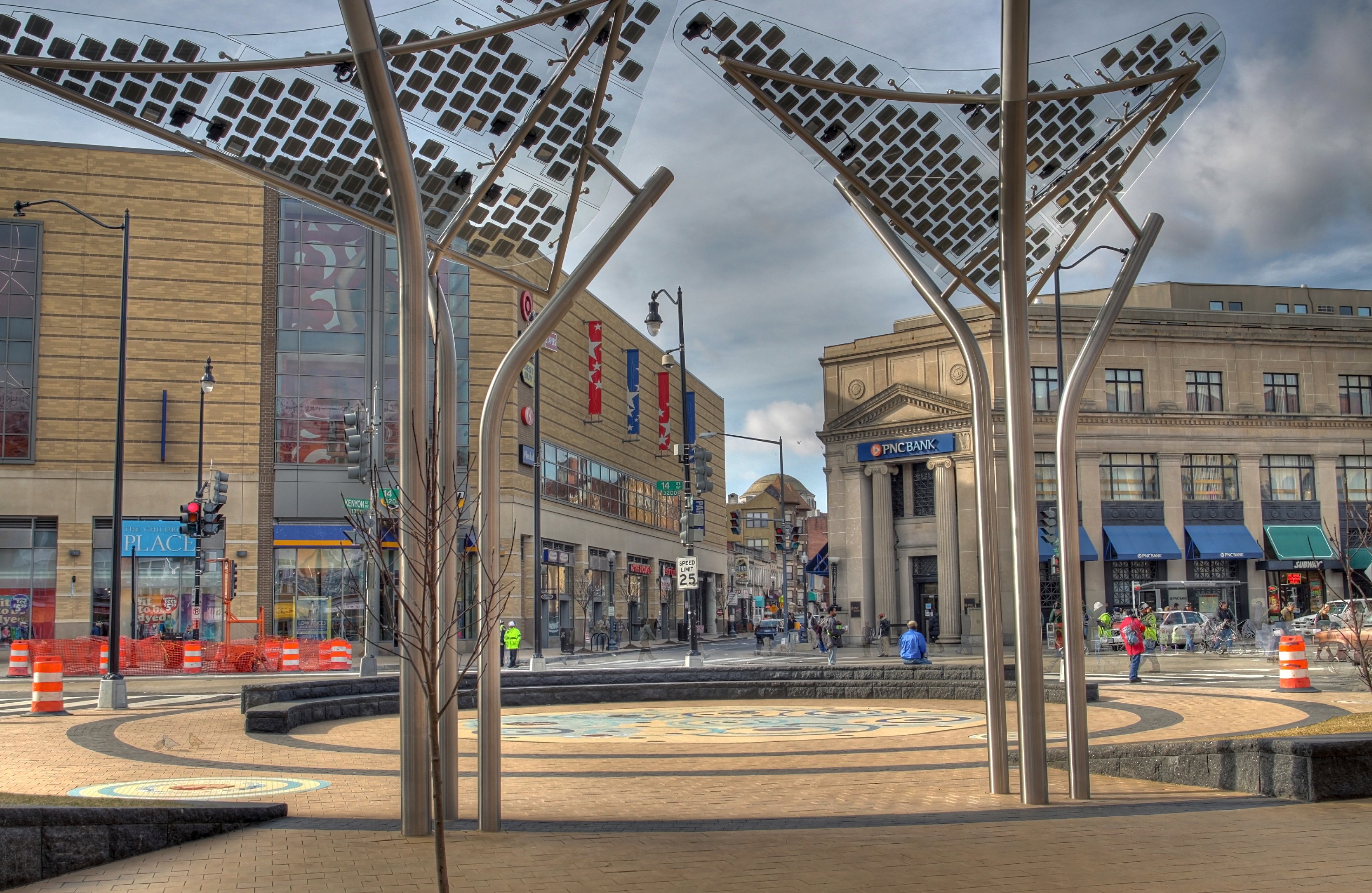
Legislation to decriminalize street vending without a license is back in the D.C. Council after failing to pass last year.
Ward 1 D.C. Councilmember Brianne Nadeau reintroduced the bill Tuesday, along with a measure to create formalized zones where sidewalk sellers could operate, which also did not pass before the Council’s two-year legislation session ended last December.
The legislation has support from several other members of the council, including newcomers Janeese Lewis George in Ward 4 and At-Large Councilmember Christina Henderson.
The Street Vending Decriminalization Amendment Act of 2021 would remove criminal penalties for vending without a proper license (unlicensed selling would remain a civil infraction enforced by the city’s Department of Consumer and Regulatory Affairs). The Sidewalk Vending Zones Amendment Act of 2021, would amend the city’s Vending Regulations Act of 2009 to establish designated zones for sidewalk selling, and allow vendors to apply to the Mayor’s office to establish new zones. Already included in the bill is a proposal for a Columbia Heights Sidewalk Vending Zone, which would encompass six vending spaces and include up to 57 total vendors.
The legislation would also create two special licenses — one that can be held by an individual vendor, and another that can be obtained by non-profits and cooperatives that manage sidewalk sellers. Once registered, licensed sellers could operate and move within vending zones. Any vendor who receives a license under the new bill (if passed) would be granted amnesty, retroactively for up to five years, for any unpaid civil citations.
This follows years of demands from activists and street vendors for better protections and regulation. In November 2019, residents were outraged when a D.C. police officer confronted a 15-year-old girl selling food in Columbia Heights, a neighborhood in Nadeau’s jurisdiction. A video of the encounter went viral, showing the officer pushing the girl to the ground as she screams that someone hurt her knee. The incident escalated calls for lawmakers to take action, as activists said it represented the pattern of harassment street vendors face from local police.
“Unlicensed vending is not a public safety issue and our response should not be to send armed police officers to enforce these regulations,” Nadeau said in a press release when she first introduced the special zoning legislation last October. “I want this legislation to begin to help sidewalk vendors feel safe again in their own community.”
Beyond the threat of police harassment, street vendors also face the many regulatory hurdles of D.C.’s licensing laws. Some requirements for food vending require a sink on the premises, for example, and obtaining the proper license can cost hundreds of dollars.
The bills come as the city’s street vendors continue to navigate the pandemic. Unable to receive government unemployment insurance, many were left to rely on mutual aid or donations to make up for lost income as the city locked down last spring.