 Jordan Pascale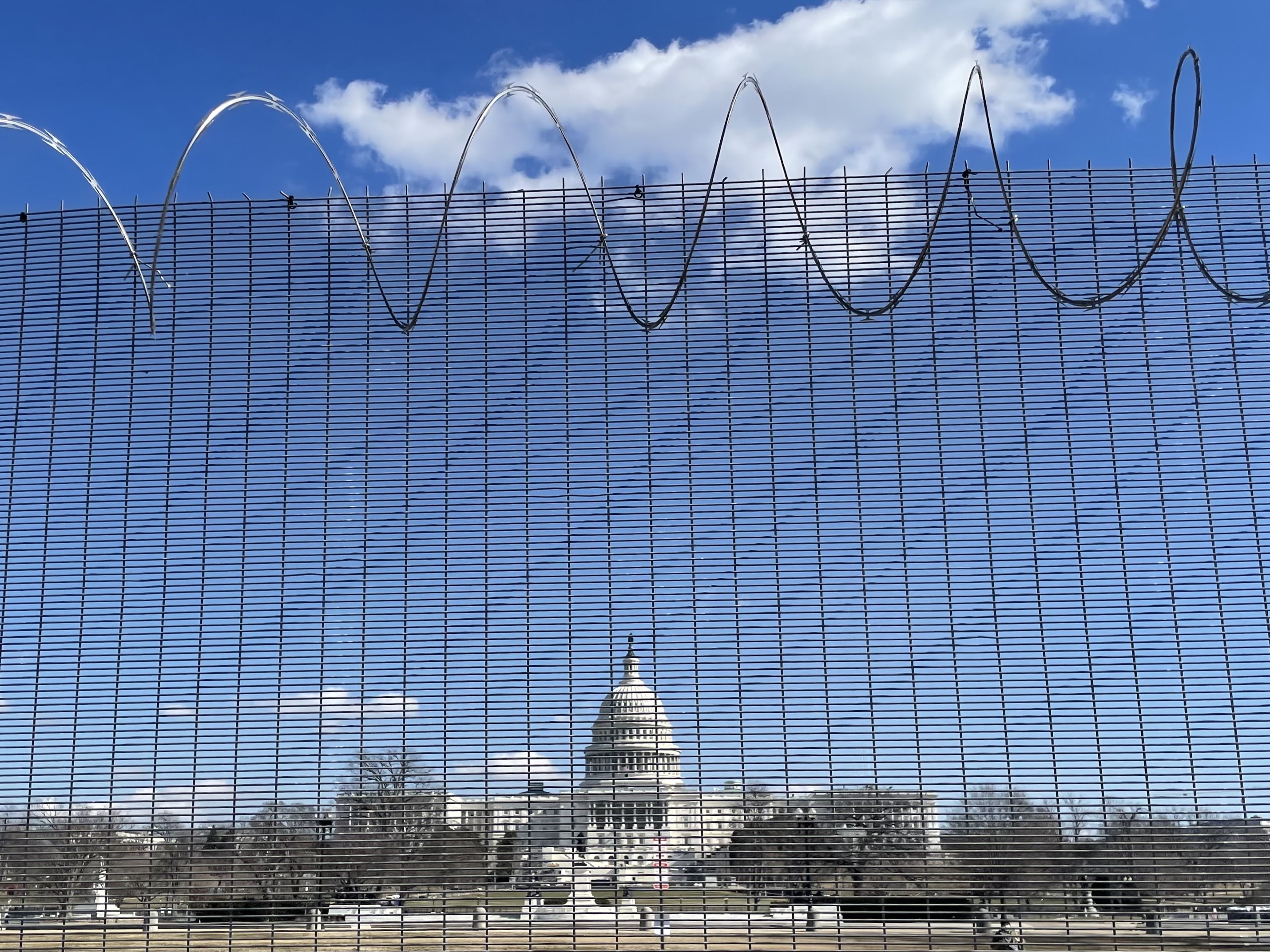
D.C. Del. Eleanor Holmes Norton has been an outspoken critic of the Capitol Police’s fencing around the U.S. Capitol. Now she’s introducing legislation to make sure it doesn’t become permanent.
“There are many state-of-the-art options that wouldn’t needlessly wall off the Capitol complex like a fortress that needs to be protected from the people we represent,” she wrote in a tweet on Monday announcing the bill.
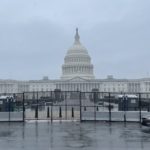
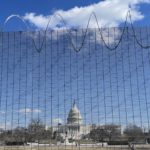
The interim Capitol Police Chief and House Sergeant of Arms both have recommended a permanent fence as part of the building’s security solution going forward; the fence went up the day after the January 6th attack on the Capitol and will be in place until at least the conclusion of former President Donald Trump’s impeachment trial.
Fencing creates about a three-mile perimeter around the Capitol grounds, congressional buildings, and other areas of downtown with federal buildings. A bike ride around the entire perimeter, for example, takes more than 20 minutes.
Online, D.C. residents — including Mayor Muriel Bowser — were quick to criticize the decision to make fencing permanent, with many people expressing frustration about how it makes getting around the area more difficult. But because D.C. doesn’t have jurisdiction over Capitol grounds, which are federal territory, neither Bowser nor the D.C. Council have the power to unilaterally order the fencing removed.
In an interview with DCist/WAMU last week, Norton said she supports keeping the fence up through the impeachment trial, but not as a permanent security measure.
“The notion that we are not capable of using state of the art technology to protect our house [in the future] is truly embarrassing,” she said. “There are ways to accomplish security without defacing the Capitol, making it into a fortress instead of the people’s house.”
Norton also said she’s had long conversations with interim Capitol Police Chief Yogananda Pittman about the fence, telling DCist/WAMU that Pittman “[is] going to have to fight me and a number of others on it unless she changes her view on that. I think that’s an indication that she’s not capable of protecting the Capital.”
Norton, who lives in Capitol Hill, has taken several measures after the attack, calling on the Capitol Police to communicate better with residents and allow sledding on Capitol grounds. (Capitol Police denied the request.) Norton also wrote a letter to the Capitol Police Board last month, urging the force not to make the fencing permanent.
“I remind the Capitol Police Board that our Founders and the architects of the nation’s capital placed the Capitol in the center of our city, in a neighborhood surrounded by residents,” she wrote. “We will not allow the Capitol Hill neighborhood to be turned into a military zone any more than the Capitol itself.”
She is also hosting a virtual town hall for D.C. residents to weigh in on the events of January 6. Ward 6 Councilmember Charles Allen and members of the Capitol Police are scheduled to join the discussion, which they will hold Thursday at 6 p.m. Those interested need to RSVP to NortonEvents@mail.house.gov to join.