 Mikaela Lefrak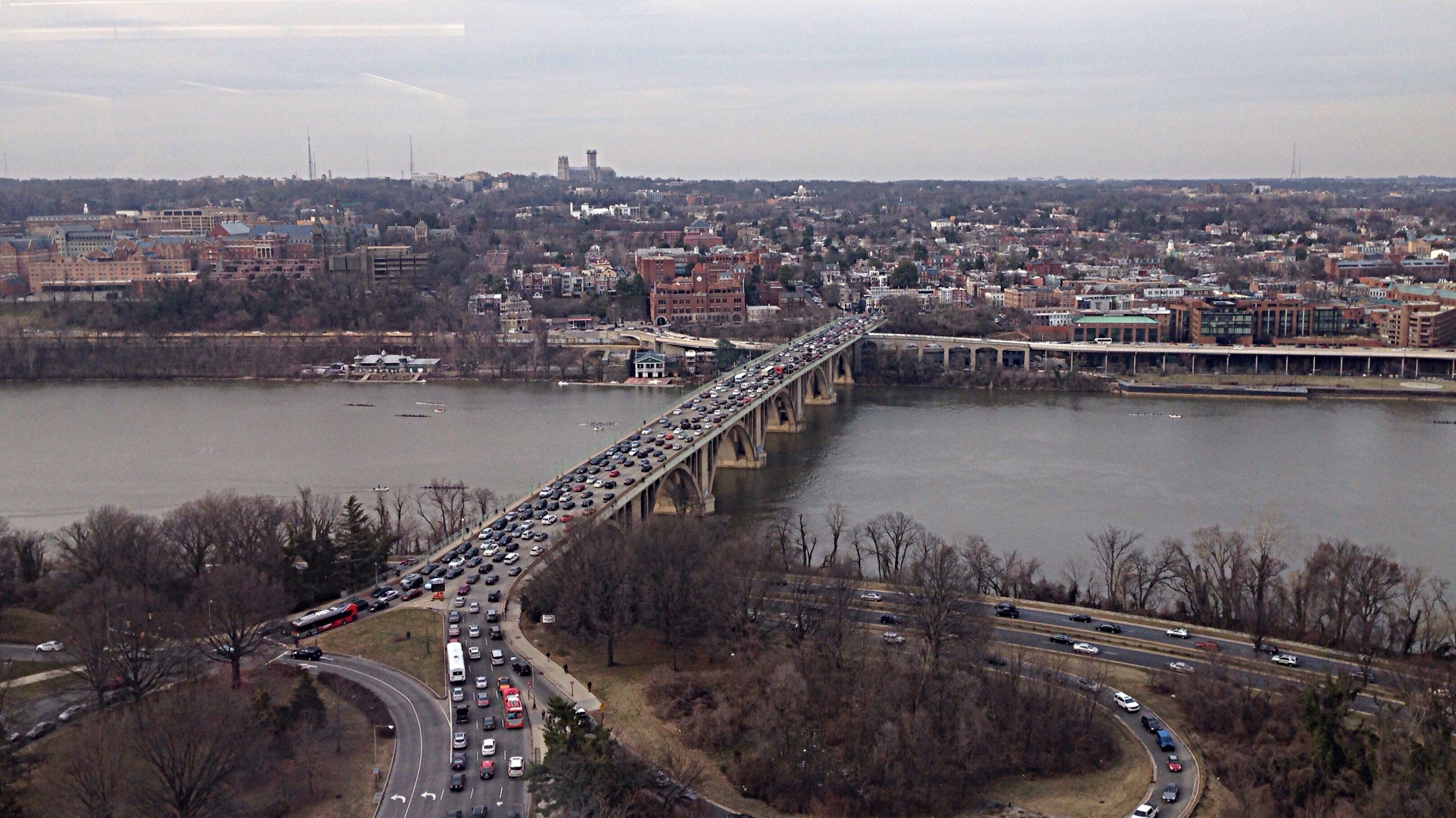
Remember the days of rushing in late to a morning meeting after being stuck on the Beltway for an hour? How about that soul-crushing feeling of sitting in gridlock on K Street?
Due to the coronavirus pandemic’s effect on traffic patterns, Washingtonians are going to have to find something new to complain about. Traffic delays in the District dropped by 77% last year, according to the newly released 2020 Global Traffic Scorecard by the traffic analysis firm Inrix.
Washington saw the largest traffic decline of any major American city, beating out New York, Boston, and other notoriously congested urban areas.
“The lockdowns, in general, restricted business operations and consumer activity, leading to large decreases in travel across all modes, the likes of which has not been seen since vehicular, rail and air travel data has been collected,” the report notes. Inrix uses billions of anonymous data points from smartphone apps and other GPS units to analyze traffic trends for its annual reports.
Multiple factors likely contributed to emptier city streets, including a sharp uptick in teleworking at federal agencies, government contractors and other office-based industries. Schooling was largely conducted virtually last year. Some residents even left the city permanently, lured by cheaper rent and home prices, access to outdoor space or proximity to out-of-state family.
D.C.’s traffic decline has been so stark that our once-notoriously congested city isn’t even one of the top ten most congested American cities anymore. The District now ranks a respectable 12th in traffic congestion, down from fifth in 2019. Stamford, Connecticut had worse traffic than D.C. last year. Stamford.
The decline in traffic led to more cash in Washingtonians’ pockets, according to Inrix. The District tied with Boston for the largest cost savings: drivers in both cities pocketed around $1,500 due to the decline in miles travelled by car. Still, sitting in traffic cost area residents about $425 last year.
Washingtonians also lost an average of 29 hours to traffic in 2020, which is slightly higher than the nationwide average of 26 hours but markedly lower than in previous years. Commuters across the country spent an average of 99 hours in traffic in 2019.
Much of last year’s traffic reduction can be traced to a decline in trips to downtown areas in cities across the country. Trips to downtown D.C. plummeted 83% last April — the first full month of the pandemic — compared to the same month in 2019. Empty streets are now the norm in an area once known for its busy restaurants, packed offices and entertainment venues. Office vacancy rates in downtown D.C. rates hit record levels last fall, and the area’s economy has been particularly hard-hit over the course of the pandemic.
The area has partially recovered in recent months: The number of trips to downtown D.C. in Feb. 2021 was only about 60% lower than it was the same month a year before.
The economy aside, the traffic reduction also had benefits for the local environment as well. D.C. had the lowest smog levels in many decades last summer, due in part to a drop in pollution from cars. Additionally, the number of parking tickets handed out by the city has been cut in half.