Colleen Grablick
 Ally Schweitzer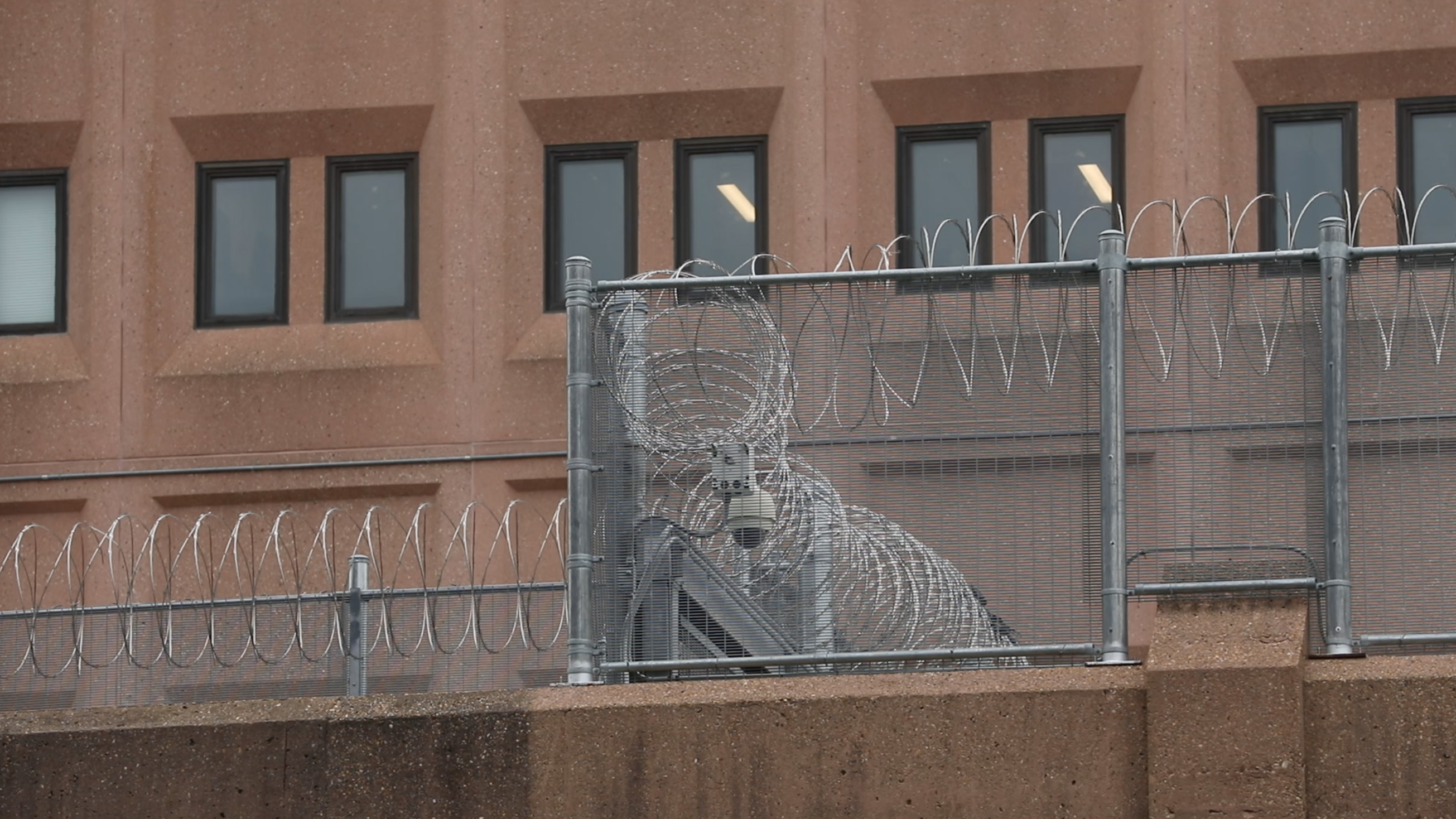
Update: The D.C. Jail will ease lockdown restrictions for inmates on June 11, according to plans from the D.C. Department of Corrections released Thursday.
Inmates will be allowed about 5.5 hours outside their cells each day, returning to what was allowed before the pandemic. All inmates will have access to outdoor recreation and those who are fully vaccinated may also have access to indoor activities.
Officials say the jail may separate people into vaccinated and unvaccinated groups to limit the potential spread of the coronavirus.
For more than a year, the D.C. Jail only allowed people incarcerated at the facility to leave their cells for one hour each day. The nearly 24-hour lockdown was decried by advocates and health experts as a human rights abuse.
Original:
After more than a year under a strict, 23-hour daily lockdown, roughly 1,500 men and women at the D.C. Jail will be granted two hours outside of their cells — a slight increase over the one hour they’ve been allotted since the pandemic began.
The schedule change went into effect April 30, per a notice issued Monday by the D.C. Department of Corrections.
The lockdown, put in place last year to curb viral spread, has been called an abuse of human rights by health experts and advocates for incarcerated residents. Last week’s adjustment marks the first time in more than 400 days that residents at the jail were permitted outside of their cells for more than hour each day, and only in April were inmates allowed outdoors during the one-hour break from confinement.
D.C. Councilmember Charles Allen (D-Ward 6), who chairs the legislature’s judiciary committee, told the Washington Post that the modest schedule change doesn’t go far enough. “This is not an exit plan,” Allen said in a statement. “I recognize this is a challenging situation, but people who are awaiting their day in court or serving their sentence deserve better.”
Residents will have access to outdoor recreation for at least 1.5 hours per week starting May 15, according to the DOC, and additional increases will be considered as more staff and residents are vaccinated against the coronavirus. Video visitations will also be restored on a limited basis by June 7, after the DOC suspended them, saying facilitating the calls posed a health risk to staff.
Barbering and cosmetology services have resumed for residents with upcoming jury trials, according to the department, and all will have access to the services by June 1 if there are enough available contractors and participating residents who can show they’ve been vaccinated.
Residents at the D.C. Jail — which is made up of the Central Detention Facility and Correctional Treatment Facility — brought a class action against the DOC in March 2020, accusing the agency of failing to prevent coronavirus spread. “Experts predict that COVID-19 will ‘spread like wildfire’ in DOC facilities,” the lawsuit said.
In response to the suit, a federal court judge issued a preliminary injunction against the DOC, ordering the agency to put in place a number of precautionary health and safety measures. The order required the agency to provide prompt medical care to residents, enforce social distancing, distribute hygiene materials, ramp up coronavirus testing, and improve conditions for isolated residents “so that they are non-punitive and specifically allow for access to phone calls, daily showers, and clean clothes,” according to the American Civil Liberties Union of D.C., which represented the plaintiffs.
DOC Director Quincy L. Booth said the prolonged lockdown was the only way to prevent rapid viral spread within the facilities and adhere to court oversight. But correctional officials, physicians, and civil liberties groups have called the policy inhumane and ineffective.
“Disciplinary segregation or solitary confinement facilities is not an effective disease containment strategy,” testified Dr. Jaimie Meyer, an assistant professor of medicine at Yale School of Medicine, on behalf of the plaintiffs in last year’s class action.
A total of 263 residents at D.C. Department of Corrections facilities have tested positive for coronavirus since last year, and one resident has died, according to city data. As the pandemic picked up steam last year, D.C. started releasing more people in custody awaiting trial or serving sentences for minor offenses. But a large number of those at the D.C. Jail are in federal custody, limiting steps the city could take to offer them conditional or early release.
Debbie Truong contributed reporting.