 Dominique Maria Bonessi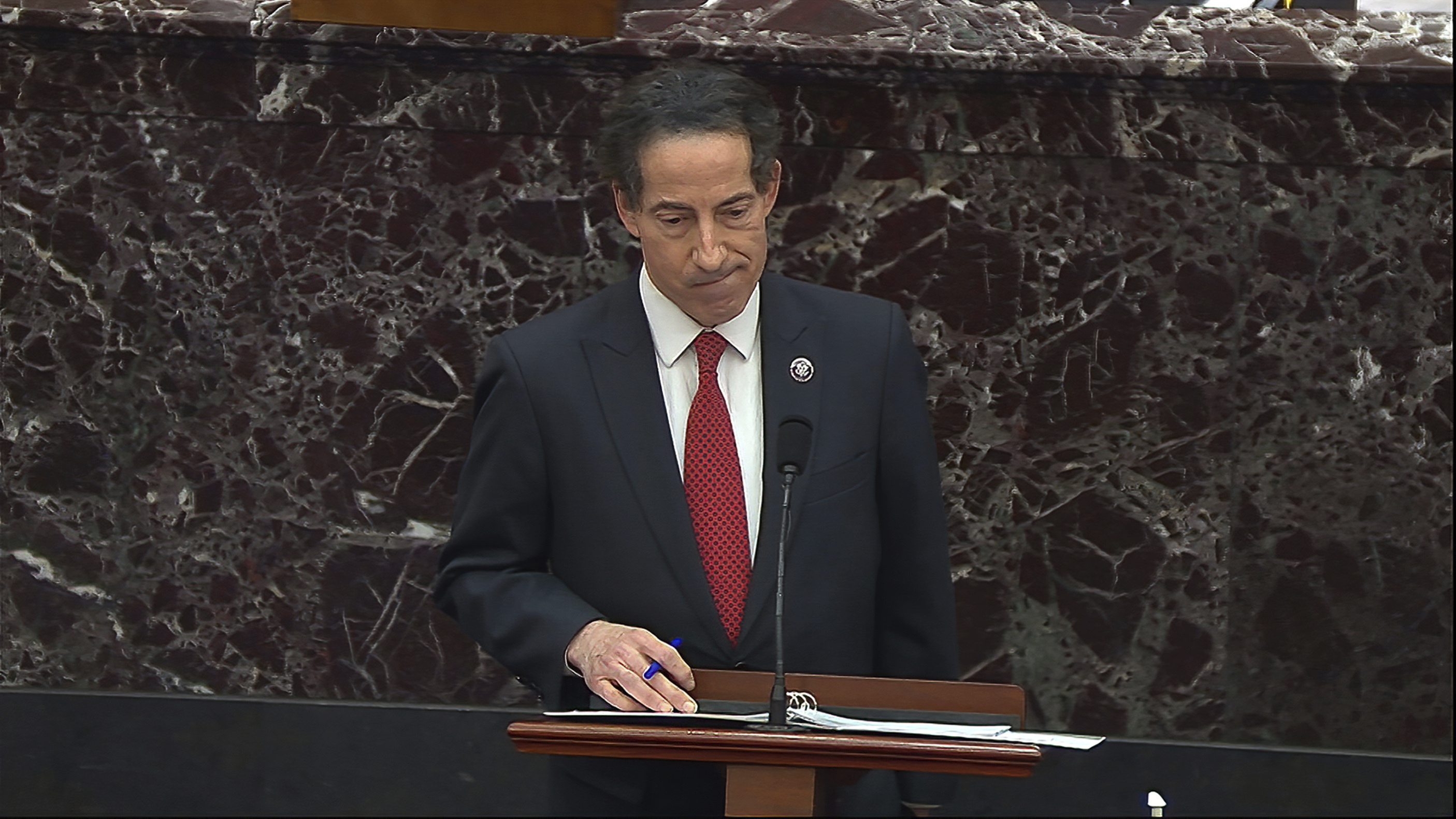
A law establishing a new program in Maryland to support residents having mental health crises takes effect Thursday.
The program will allow those struggling with mental health issues to opt-in to receive calls from counselors through the state’s 2-1-1 system. The Thomas Bloom Raskin Act is named after Maryland Congressman Jamie Raskin’s son, who took his own life earlier this year. Raskin spoke out in interviews about his son’s suicide and long battle with mental illness.
Moira Cyphers, a policy and advocacy consultant with the National Alliance On Mental Illness (NAMI), told DCist/WAMU that Raskin’s openness helped normalize and destigmatize talking about mental health and suicide.
“It gives a lot of hope to the behavioral health community…It’s brave and it’s brought a lot of hope to many families that deal with mental illness,” Cyphers said.
The state already had 2-1-1 programs for seniors to opt-in to get reminders about taking medication and doctors’ appointments. “We can replicate that for mental health issues,” Cyphers said.
Cyphers testified for the bill in Annapolis earlier this year. She said the new law came to fruition in part because of a spike in mental health crisis calls during the pandemic. During the pandemic, mental health crisis calls to Maryland’s 211 system increased 61% in the last quarter of 2020 compared with the same time period in 2019, according to the Maryland Department of Health. Nationwide, calls and messages to the NAMI HelpLine were up 70% in 2020 compared to 2019, according to a February report.
Liz Aparicio, an assistant professor of behavioral health with University of Maryland’s School of Public Health, says the proactive check-in system is an innovative approach to crisis response. Aparicio added that she expects to see calls increase over the next few months, even as people begin to return to pre-pandemic life.
“Anytime that change is happening in our life, it’s normal to have anxiety or uncertainty or sadness or to feel some sense of just needing to kind of slow things down. And that’s really O.K.,” Aparicio says. “So I won’t be surprised if things increase for a while, if they get more intense as we’re coming out of the pandemic.”
Quinton Askew, president of the state’s 2-1-1 system, is tasked with developing the program and hiring mental health counselors to staff it. To access the program those struggling with mental health concerns can dial 211, press 1, text their zip code to 898211, or chat with a counselor online.
“A professionally trained crisis specialist will provide support and needed resources for anyone calling the crisis line. If someone has voluntarily signed up for the phone call program and is identified to need additional support, they will be connected to a crisis specialist. The idea is to provide a holistic approach to supporting someone with their mental health needs,” Askew told DCist/WAMU in a written statement.
With the expected increase in calls, Aparicio says it’s important for the state’s 2-1-1 system to have culturally competent mental health counselors on the ready–including those who can identify with communities of color hardest hit by the pandemic.
“It’s extremely important to continue training clinicians of color who are able to understand in a really deep way what their clients may be going through. And just in a way that people who haven’t shared that experience couldn’t possibly know,” Aparicio said.
The original bill passed out of both chambers of the state legislature with bipartisan support. In a ceremony earlier this month, Gov. Larry Hogan said the law would save “countless lives.”
“We aren’t just memorializing Tommy’s memory. We’re also ensuring his name will forever be a symbol of hope for others who are struggling with mental health issues. Particularly after all we’ve been through over these past 16 months it’s critically important that we continue to focus on the issue of mental health. No one should ever feel like they must suffer in silence,” Hogan said.
If you or someone you know is having suicidal thoughts, the number for the National Suicide Prevention Lifeline is 800-273-8255.