Margaret Barthel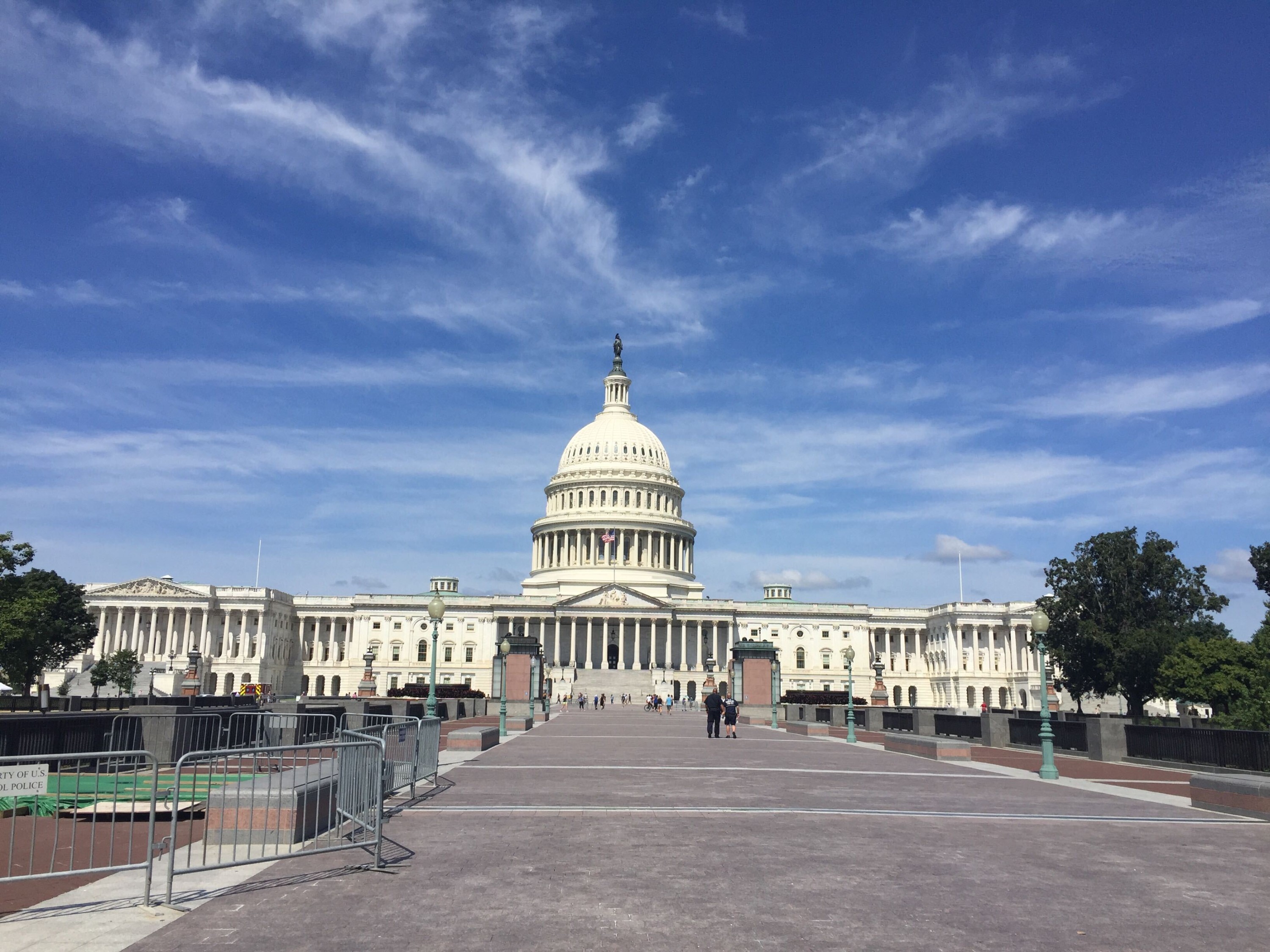
The scene at the East Front of the Capitol on Saturday morning was quietly joyful: people wandering around the stone plaza in the breeze, tourists snapping selfies, dog walkers towed by their pets, a little girl learning to ride a bike, a runner who paused right in front of the grand stone steps, raised his hands skyward in silent victory, and exhaled.
“There’s a breeze blowing. There’s kids riding their bikes, not listening to their dad, and there’s dogs who are running away from their masters and mistresses,” said cyclist Steve Seelig, 62, who rode down from his home in Friendship Heights. “It’s the way it should be.”
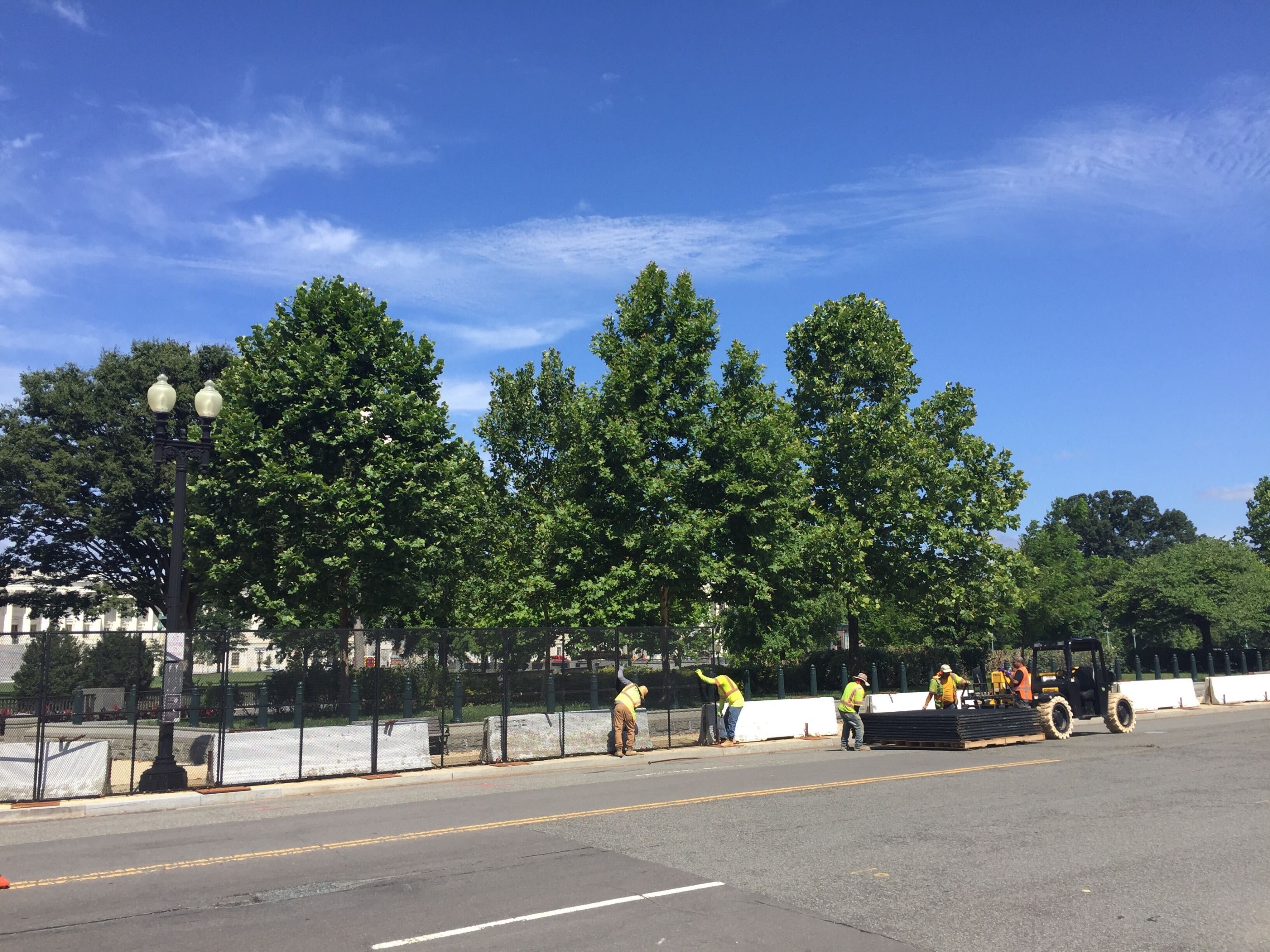
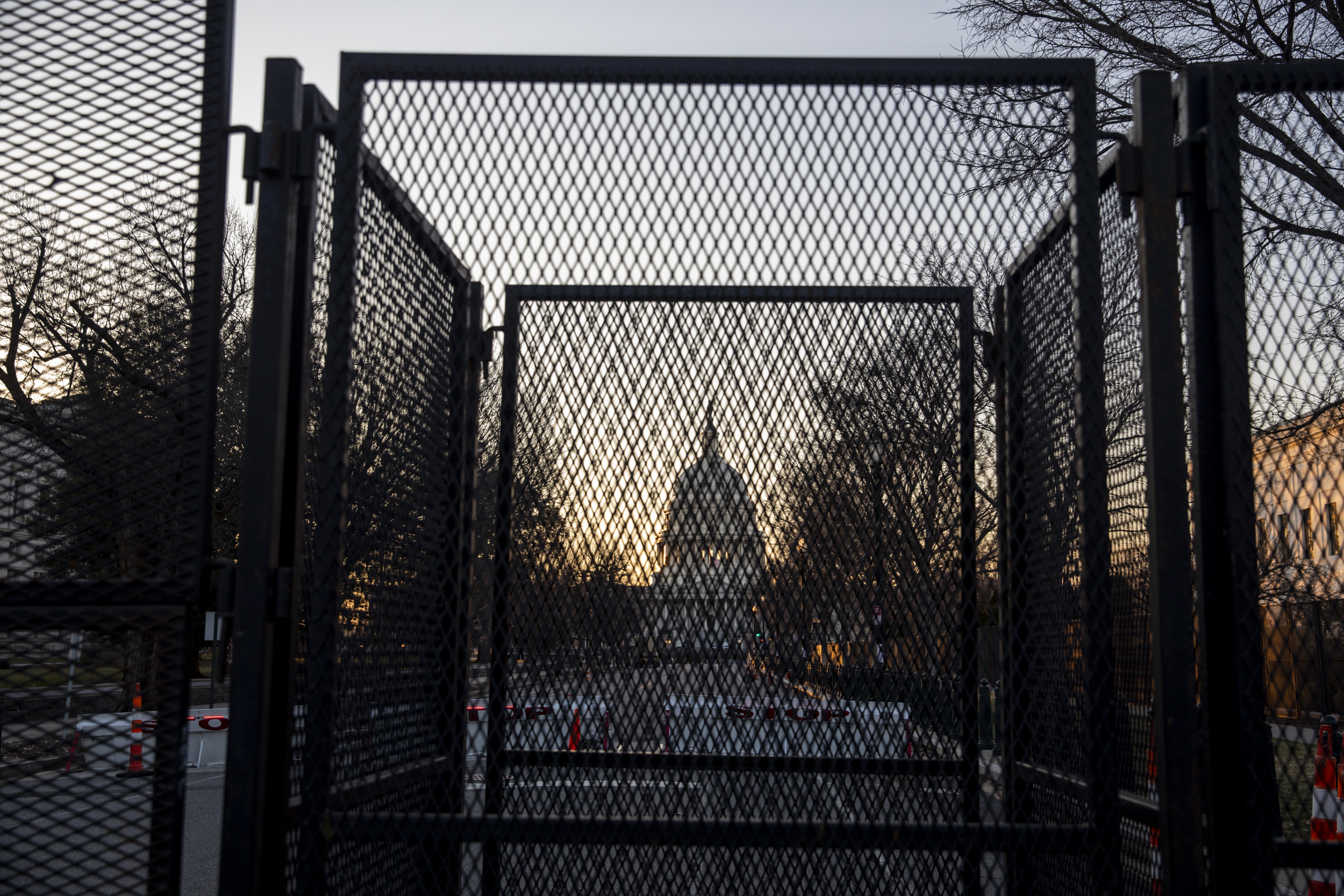
It felt like any other weekend morning, but it was the first time locals had access to the Capitol grounds in months. Work crews began taking down the tall black metal fencing that has surrounded the building since insurrectionists stormed it on January 6th. By midday on Saturday, the whole eastern side of the fence was gone.
Locals were delighted to have the space back. Many referred to it as their “yard”— a place that’s a symbol of democracy and also a place for exercising and spending time with family and friends.
“This is our Central Park,” said Lily, who has lived in Capitol Hill for 28 years. She didn’t give her last name or age because of sensitivity at her job. “This is like my front yard. I would come up here to do work, to run, to picnic with friends, walk my dog.”
But all that changed after the Capitol riot on January 6th. Inner and outer layers of fencing went up, and National Guard troops were stationed in the neighborhood for months to help secure the building.
“I don’t even know how to describe how horrible and stressful it felt to wake up to an eight foot fence with razor wire on top of it,” Lily said. “It just didn’t feel like my neighborhood at all.”
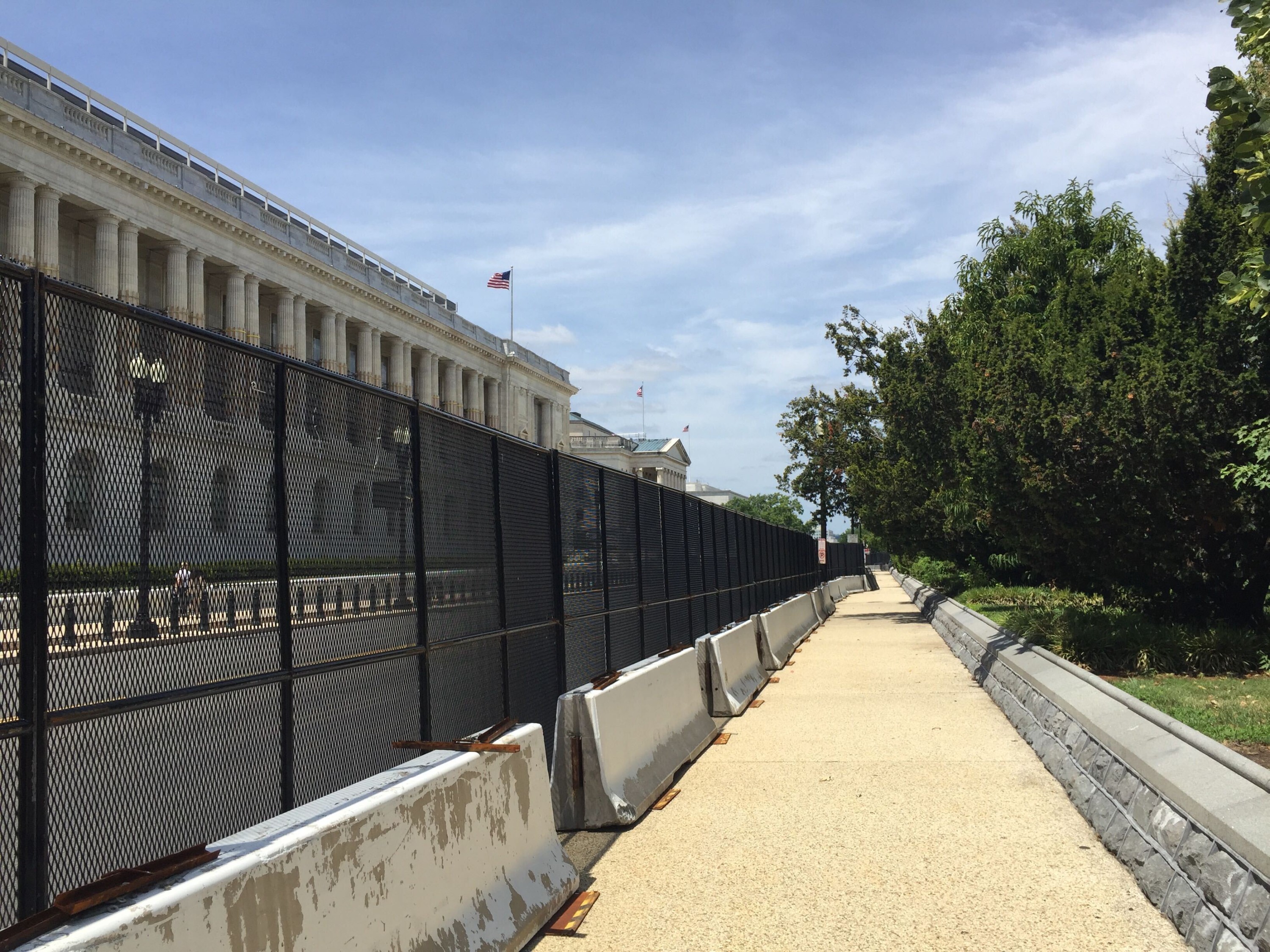
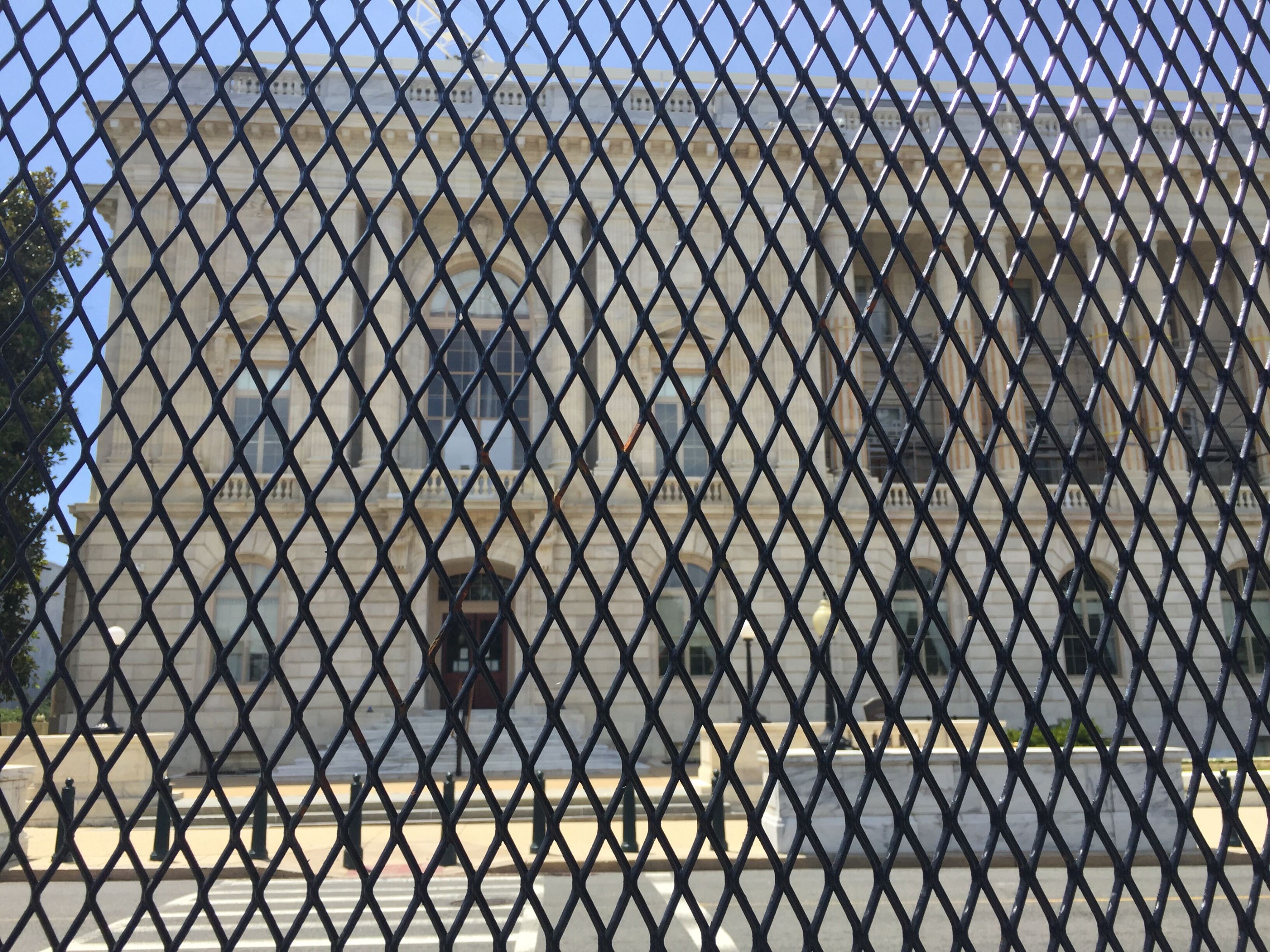
Soon after the fence went up, the debate started about whether or not it should stay. Then acting U.S. Capitol Police Chief Yogananda D. Pittman suggested a permanent barrier amid an ongoing investigation into the security failures at the Capitol. But locals and some D.C. lawmakers pushed back, circulating an online petition and advocating for reopening the space.
“When there was a proposal or discussion about the possibility of a permanent fence on, I believe it was January 28, I immediately started a change.org petition that just said, ‘Hey, we want to make sure we don’t have a permanent fence. We think we should have smarter security solutions,’” said Allison Cunningham, a leader with the Don’t Fence The Capitol group.
There’s been incremental progress since the group started its efforts. Crews took the razor wire off the top of the fence in March. The same month, the perimeter of the fence was scaled back to a much smaller area.
Cunningham and fellow leader Melanie Horn said the Don’t Fence The Capitol volunteers are excited to see the fence come down in full — so much so that they brought big boxes of donuts to share with other neighbors out enjoying the sun on Saturday — but they are also sensitive to ongoing security concerns from residents and people who work on the Hill.
“I know that there was a lot of concern from Hill staffers and others about feeling safe and secure. And I know that a lot of people did feel safe and secure with the fence,” said Horn, also a Hill resident. “But I think from my point of view…if we really, truly want to feel safe and secure, it’s going to take a lot more than just a barrier or a fence.”
Horn said the group supports additional funding for the U.S. Capitol Police, investing in other security technologies, and continued investigations into the failures that allowed the breach on January 6th.
“I think it would be naive to say that I’m not concerned about something else happening,” Horn said.
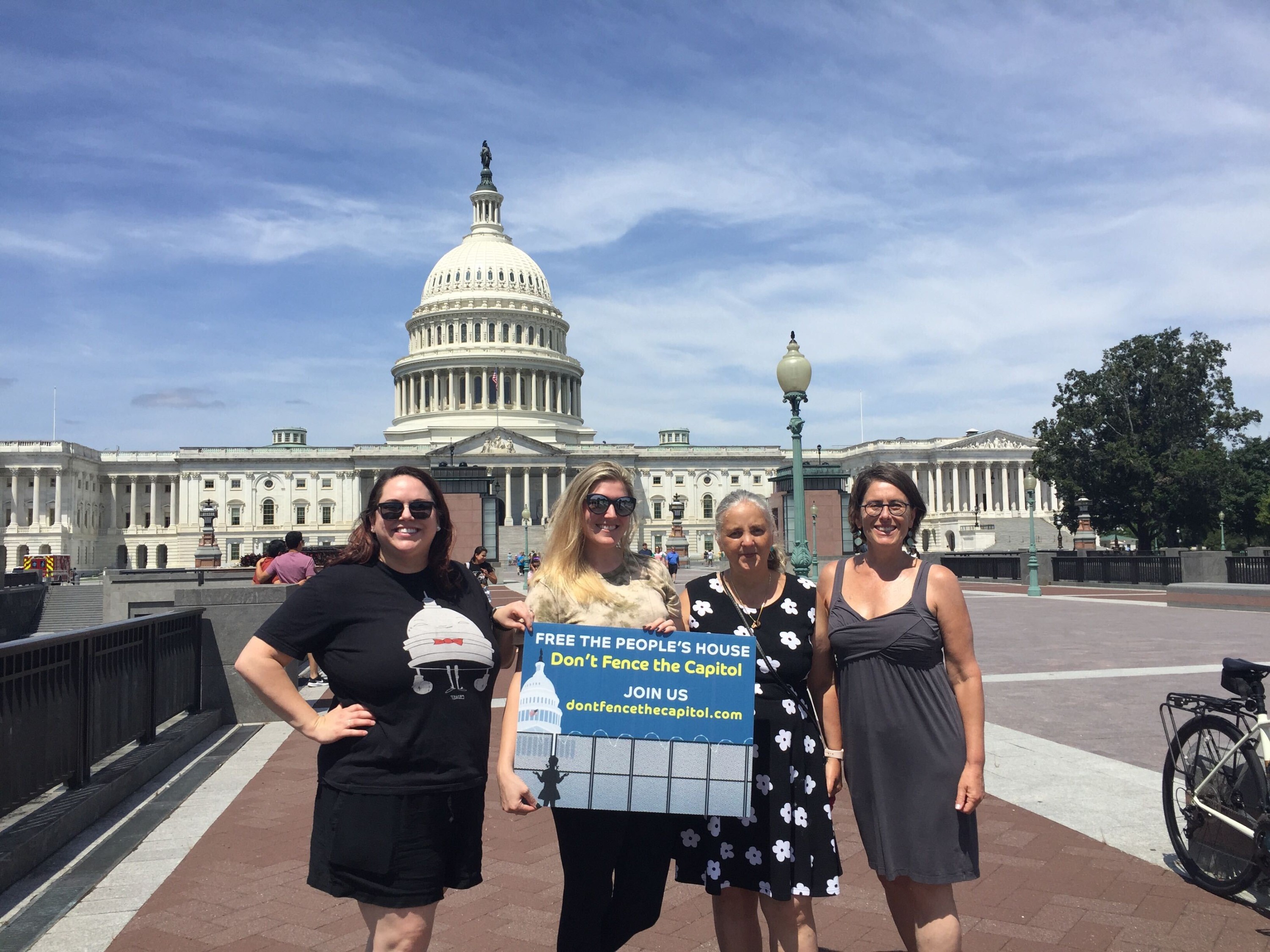
D.C. Congresswoman Eleanor Holmes Norton has joined with Don’t Fence The Capitol and other locals advocating for the fence to come down. In a statement responding to the fence removal, Norton called for other ideas for ways to keep the Capitol and its neighborhood safe.
“By the year 2021, we should not be relying on security theater based on 19th-century ideas when state-of-the-art options and cooperation among security forces could have prevented the events of January 6th,” Norton said. Norton has introduced a bill in Congress that would permit retractable fencing around the Capitol, but prevents a permanent barrier.
Hill resident Gina Eppolito, who was out for a walk with her dog Luna, said she signed all the petitions advocating for the removal of the fence. It had been an emotional blow, she said, to be blocked off from the place where her kids grew up and her family spent so much time.
“The kids were hugely affected by just the restrictions,” she said. “And that I think visually was hard for them.”
But Eppolito and other locals said that they don’t want to forget the pain of January 6th or its aftermath, even now that the most tangible reminder of them is gone. Some suggested some kind of plaque or memorial to mark what happened.
“I think the city needs to just definitely make it a point that we don’t forget,” Eppolito said.
But with the occasional sounds of the deconstruction of the fence mixing with the breeze, most visitors were happy to enjoy the simplicity and hope of the moment.
“It actually felt really strange to see the places that have been in chaos a couple of months ago,” said Lillian Petersen, 18, a college student in D.C. for the summer who was on the ninth mile of her morning run. “And it’s such a peaceful day. It really feels like things have started to turn around since then.”
“There’s a long way to go in terms of making things work again,” said Noreen, a lifelong D.C.-area resident who drove in from the Maryland suburbs to see the newly opened Capitol grounds. She did not give her last name because of privacy concerns.
“But for today, we celebrate,” she said. “We celebrate the fact that we’re even standing here.”