Colleen Grablick
 Dee Dwyer
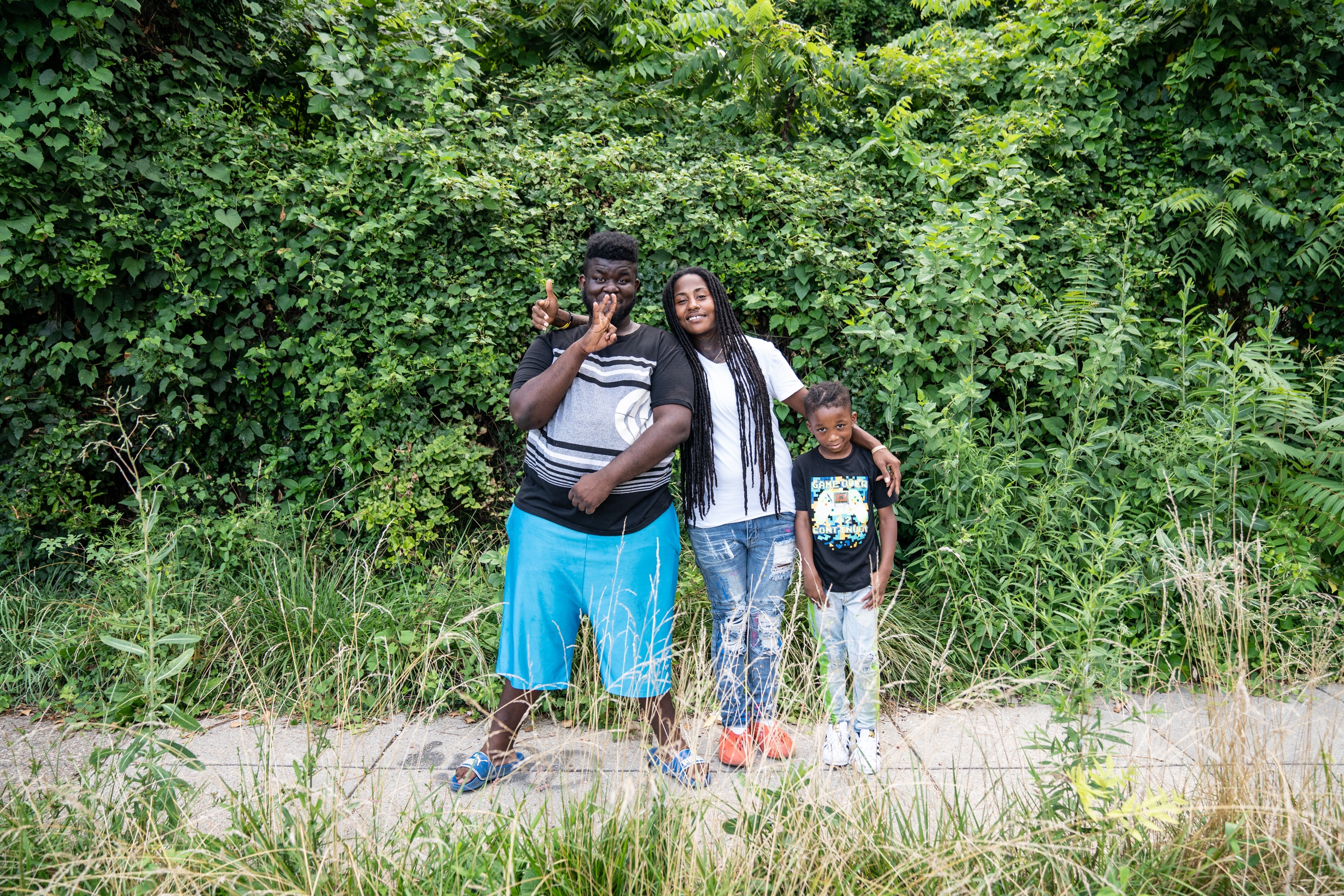
At first glance, 3025 Buena Vista Terrace in Ward 8 might not seem like much. It’s a rectangular plot of land, filled in the summer with an overgrowth of grass and vines, and in the winter with cobwebs of branches. Driving up 30th Street SE, near the edge of D.C.’s border with Maryland, it’s easy to miss.
But when Mynikka Posey looks at 3025 Buena Vista Terrace, she sees opportunity — a space with a basketball court, benches, and maybe a swing set or two; a place that’s filled with kids and safely separated from the busy street below. She even imagines little informational signs on the lot, listing historical facts about the neighborhood she’s called home for 26 years.
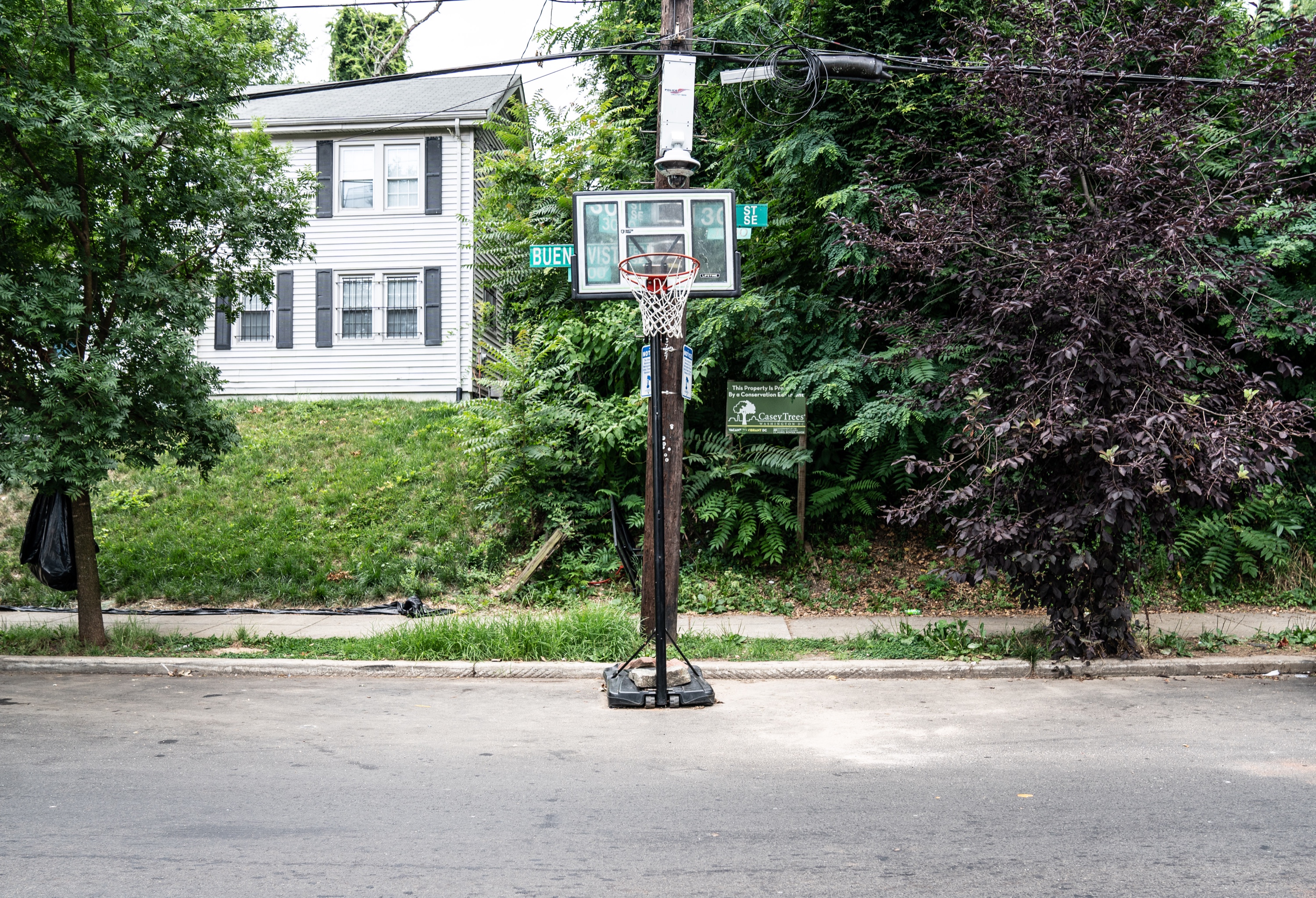
It would be a transformative change for the neighborhood, where space for outdoor recreation is currently relegated to the street. (The nearest publicly accessible playground is Hillcrest Recreation Center in Ward 7, about a 13-minute walk away.) Up until last year, when the city installed two basketball hoops at Posey’s behest, kids were shooting hoops using a milk crate fastened on top of a pole.
“I’ve been living around here since I was 6 – I’m 32 right now. This lot has always been abandoned,” Posey says. “Nobody really paid no attention because when you’re growing up, you’re like ‘okay, it’s vacant, so what?’ Now that I’m much older, I see things different. This is something that can be utilized to the community. [It] can be helpful.”
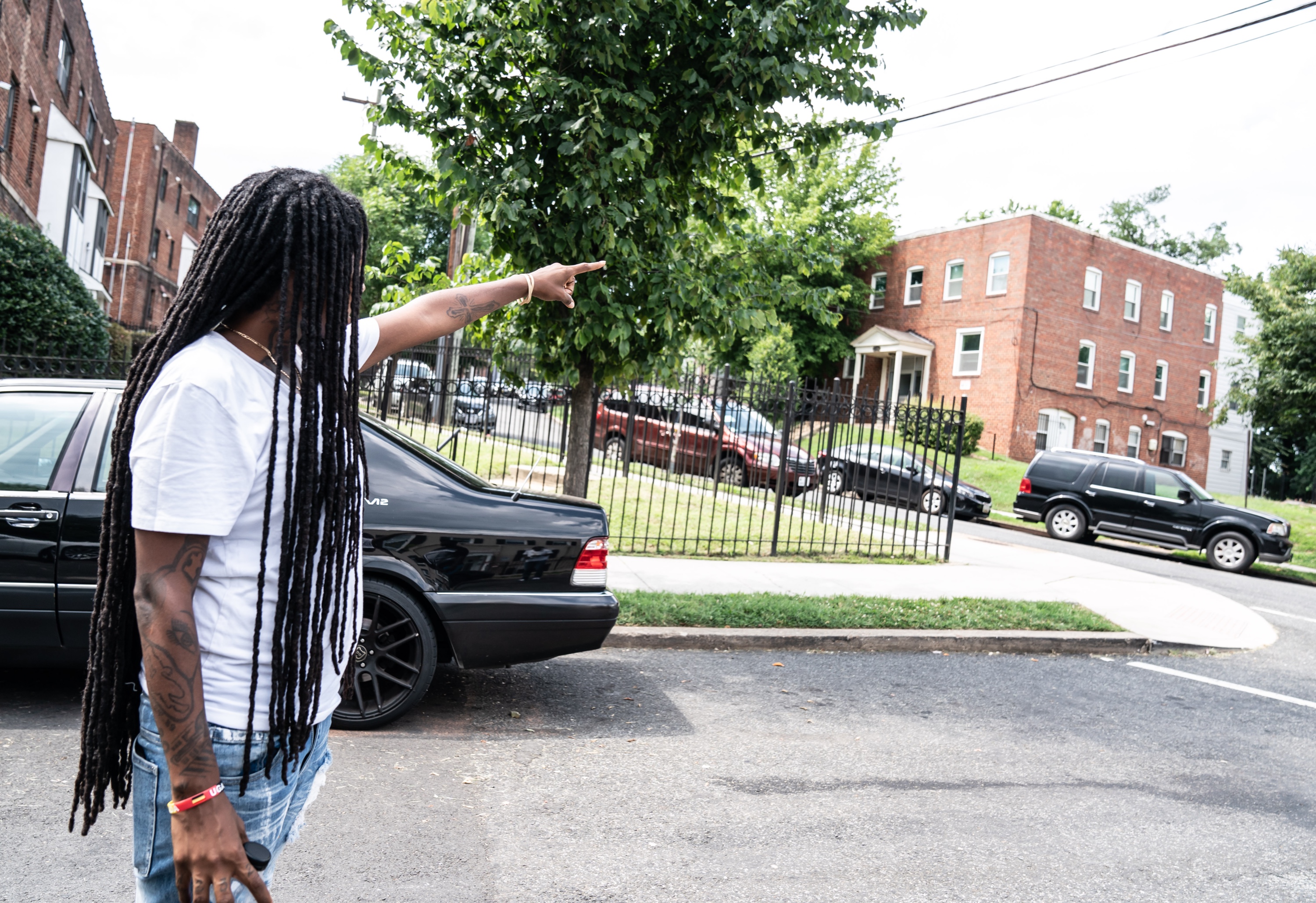
Posey has been working since 2019 to lobby the D.C. government to buy the land, which is privately owned by an individual, and develop it into a park. She and dozens of her Buena Vista neighbors, many of whom grew up playing in the street, dodging cars and skidding their knees on the pavement during tackle football games, say that a place for kids to run around and play safely is years overdue.
D.C. is home to hundreds of government-managed parks, and recently regained it’s spot at the top of a nation-wide list of large cities with the best parks. According to the Trust for Public Land, 98% of D.C. residents live within 10 minutes walking distance of a park.
But the same isn’t true for Ward 8. While the Trust for Public Land’s study found little difference between park access for low-income and high-income residents, the survey’s findings identified areas where new park construction should be a priority, many of which fell in Ward 8. The push for more green space in the city’s underserved neighborhoods isn’t new; a few miles away from Buena Vista, a group of neighbors are leading a similar charge to bring a dog park to Ward 8 (where there are currently zero).
Turning Posey’s idea into reality is another matter entirely. In order for D.C.’s Department of Parks and Regulations to cover the cost of building the park, it’d need to be constructed on city-owned property — which means the D.C. government would first have to buy it. The land is worth $43,450, per the most recent tax assessment for the city.
The landowner, Kimberly Harrison, told DCist/WAMU in an interview that she wants to help the community get a park and has spoken with Posey and officials from the Office of Neighborhood Safety and Engagement and Department of General Services to help make that happen. Harrison says she has made it clear to the city that she’s willing to lease them the land and supports efforts to turn it into a park – but alleges that officials have not responded to a phone call about the matter in over a month.
“Lease the property from us, and give these people a playground,” Harrison says. “We’re ending a whole ‘nother summer here…you have the land available.”
Harrison says the Department of General Services reached out to her in July about lease discussions but hasn’t responded to her subsequent emails. The ONSE office, which both Posey and Harrison said has been in conversations about developing the land, did not return DCist/WAMU’s multiple requests for comment. A spokesperson for the Department of General Services told DCist they were not aware of any development discussions regarding the property.
Posey first launched the effort to get the space developed in 2019 by starting a petition, and saw overwhelming support for a park from her neighbors. She says the project is now no longer just hers, but instead a collective commitment from the community.
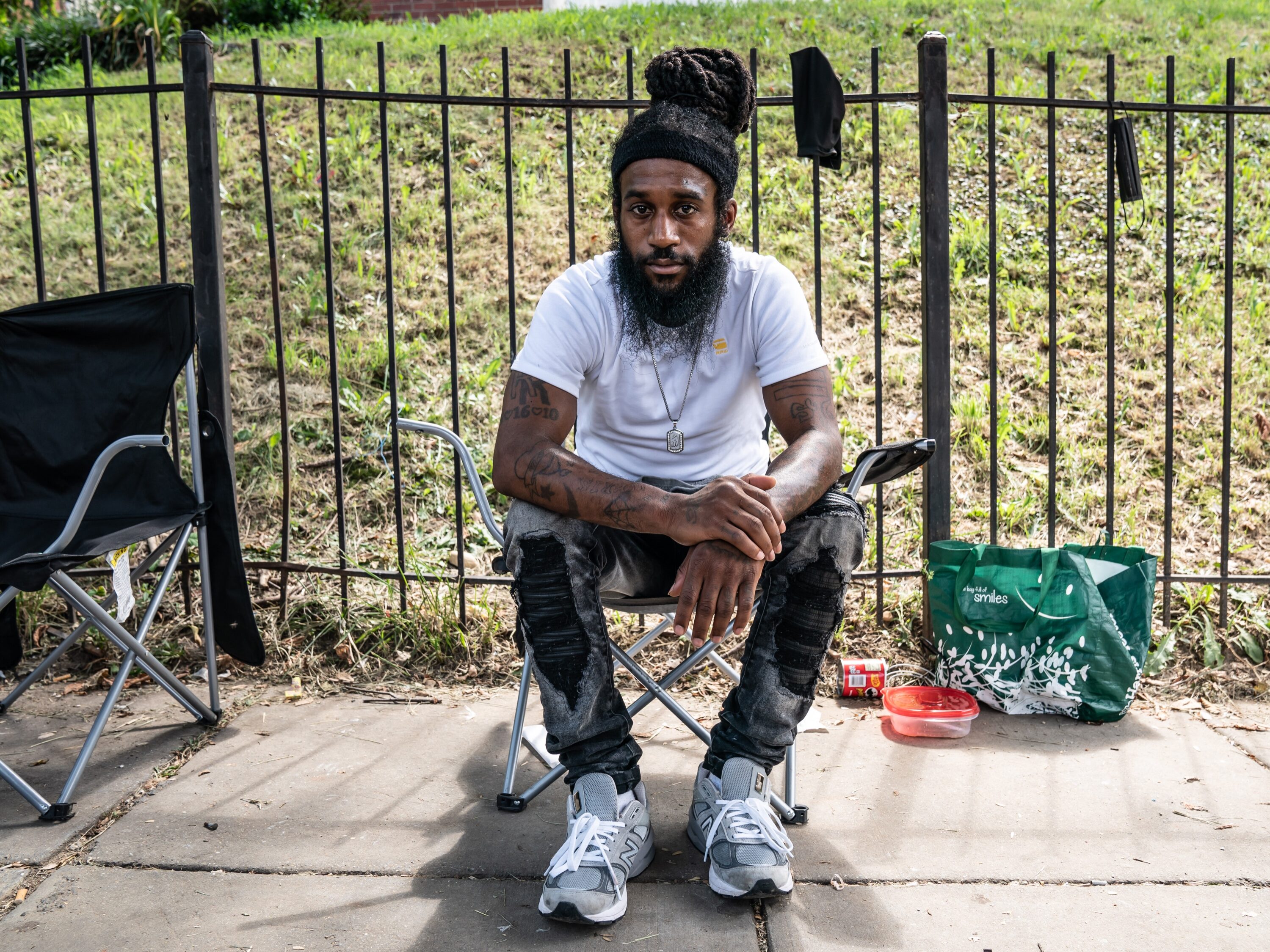
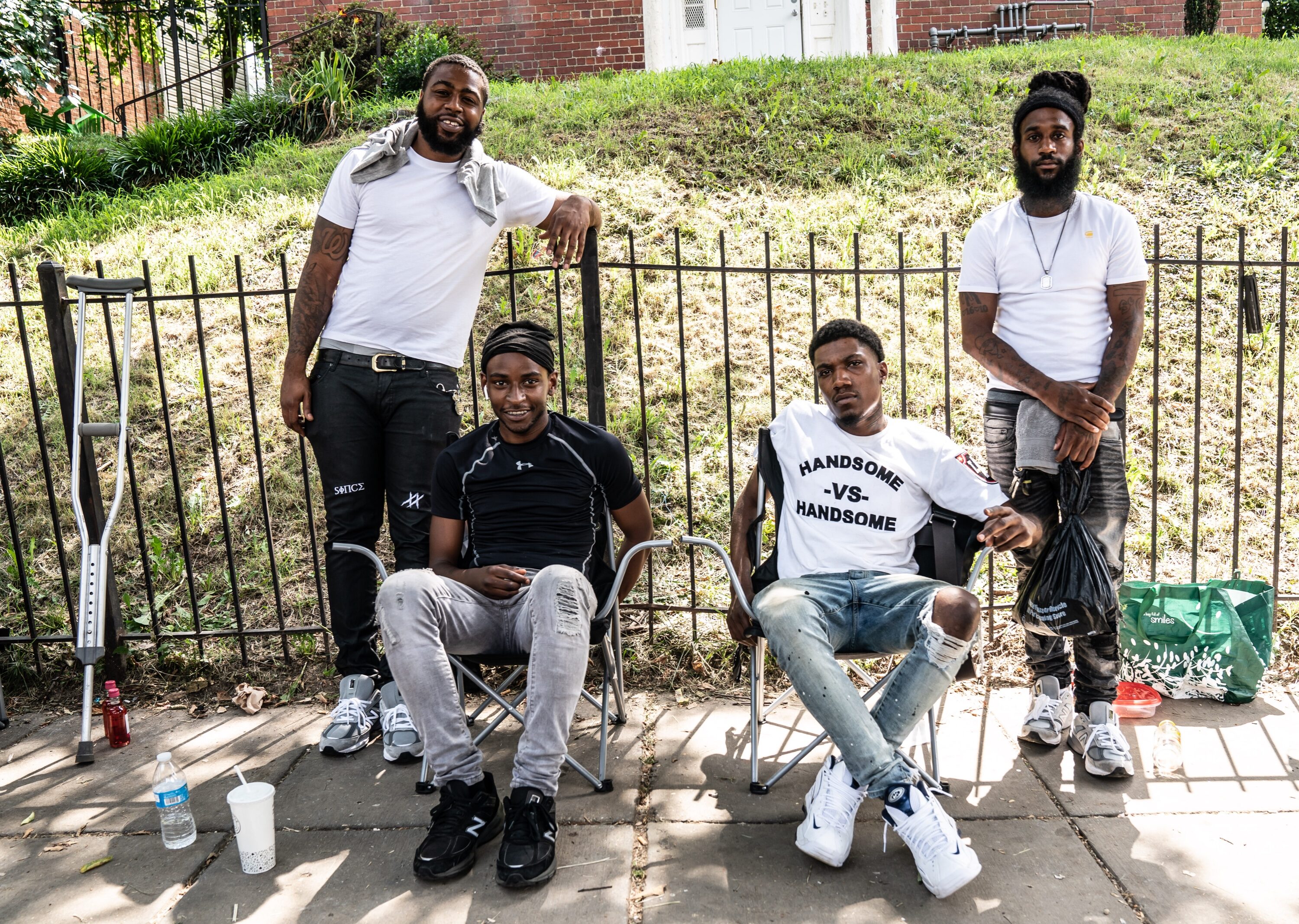
Brothers Roland Minor, 36, and Robert Butler, 32, grew up living a few streets away from one another; Minor had closer access to a school with a field nearby, where he played football. Eventually, he attended Virginia Tech on a football scholarship.
“We grew up in two different worlds — I was able to make it, he wasn’t,” Minor says. “We don’t have the resources of different wards, that’s why they say on the other side of the river [we’re] like the forgotten people, but we’re not. We are some people, we are somebody. We can be just as productive in society if we’re given the same resources, that’s why we’re out here and we’re fighting.”
Butler, Minor’s younger brother, says that as an older member in the community, he feels responsible for giving something to the kids in his neighborhood that he went without. With no place to go, he says children spend a lot of time around the adults, and have been traumatized by violence.
“You can only ask kids to do so much. They stand around us, they’re learning our mannerisms, they’re just repeating what they see,” Butler says. “There have been a lot of murders out here, from top to bottom [of the street], and a lot of times the kids have been out here when it’s happening. They see it, they experience it – the kids can tell you the difference between fireworks and gunshots. They shouldn’t be exposed to that, they should be at a playground doing what kids do. But they don’t even get the chance to be kids.”
In 2020, D.C. saw its highest homicide count in 15 years, and the rate is holding into 2021. The trauma of gun violence impacts predominantly Black and low-income neighborhoods in the city, like Posey’s, where residents have repeatedly pushed for community-based public safety solutions, opposed to solely relying on police interventions.
Ward 8 Councilmember Trayon White, who in an interview with DCist/WAMU expressed support for the park, says that four people have been shot in the Buena Vista neighborhood in the past year and a half, underscoring the need for the city to invest more money in community recreation centers, playgrounds, and communal spaces. “I, for one, benefited from being involved in activities out of school because I had access to recreation,” White says. “The more we intervene and provide something constructive for [kids] to do, it removes the notion that they will be destructive.”
Posey says she and her neighbors are accustomed to the chronic disinvestment in the area, but that she’s trying to show community members that they are empowered to change it.
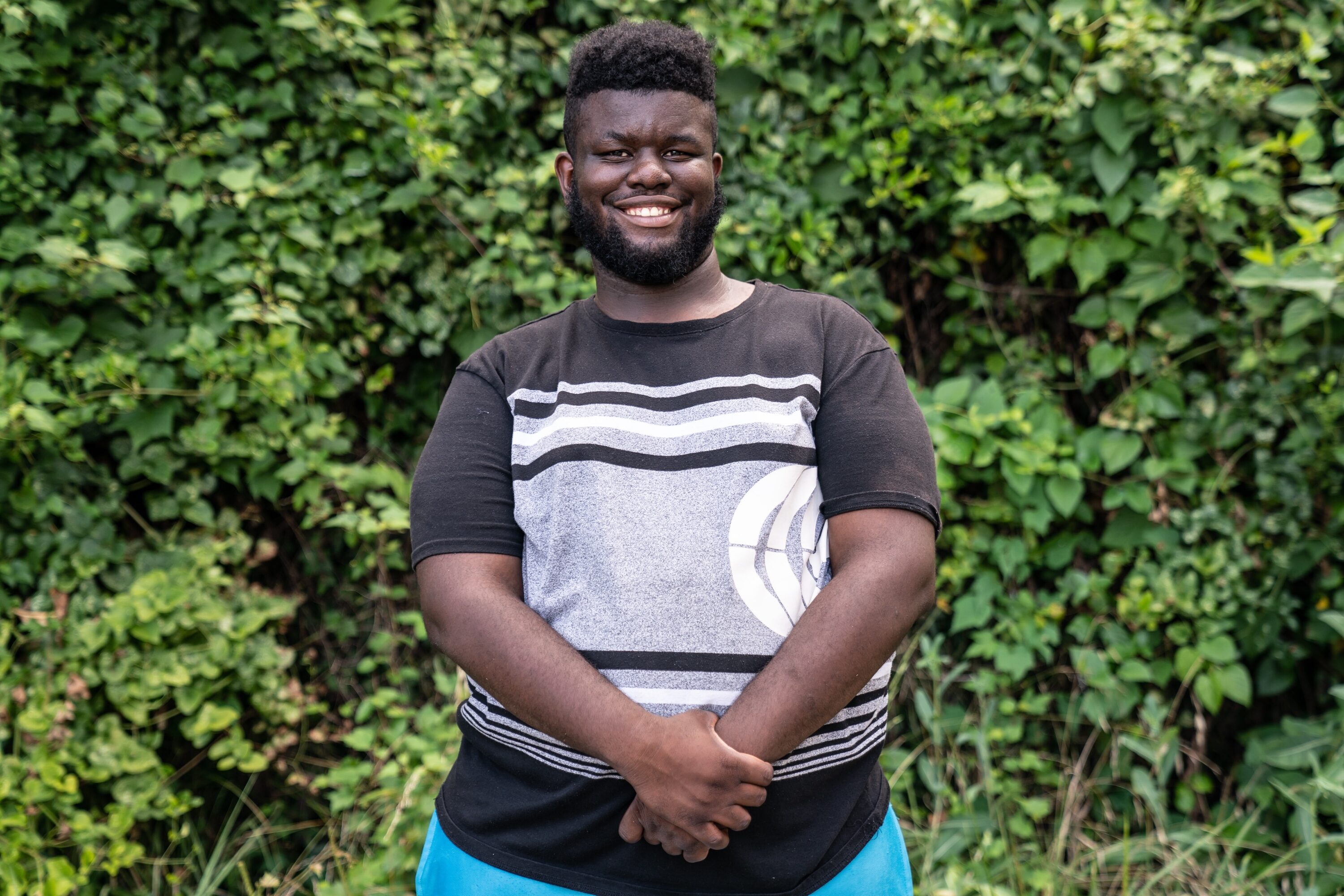
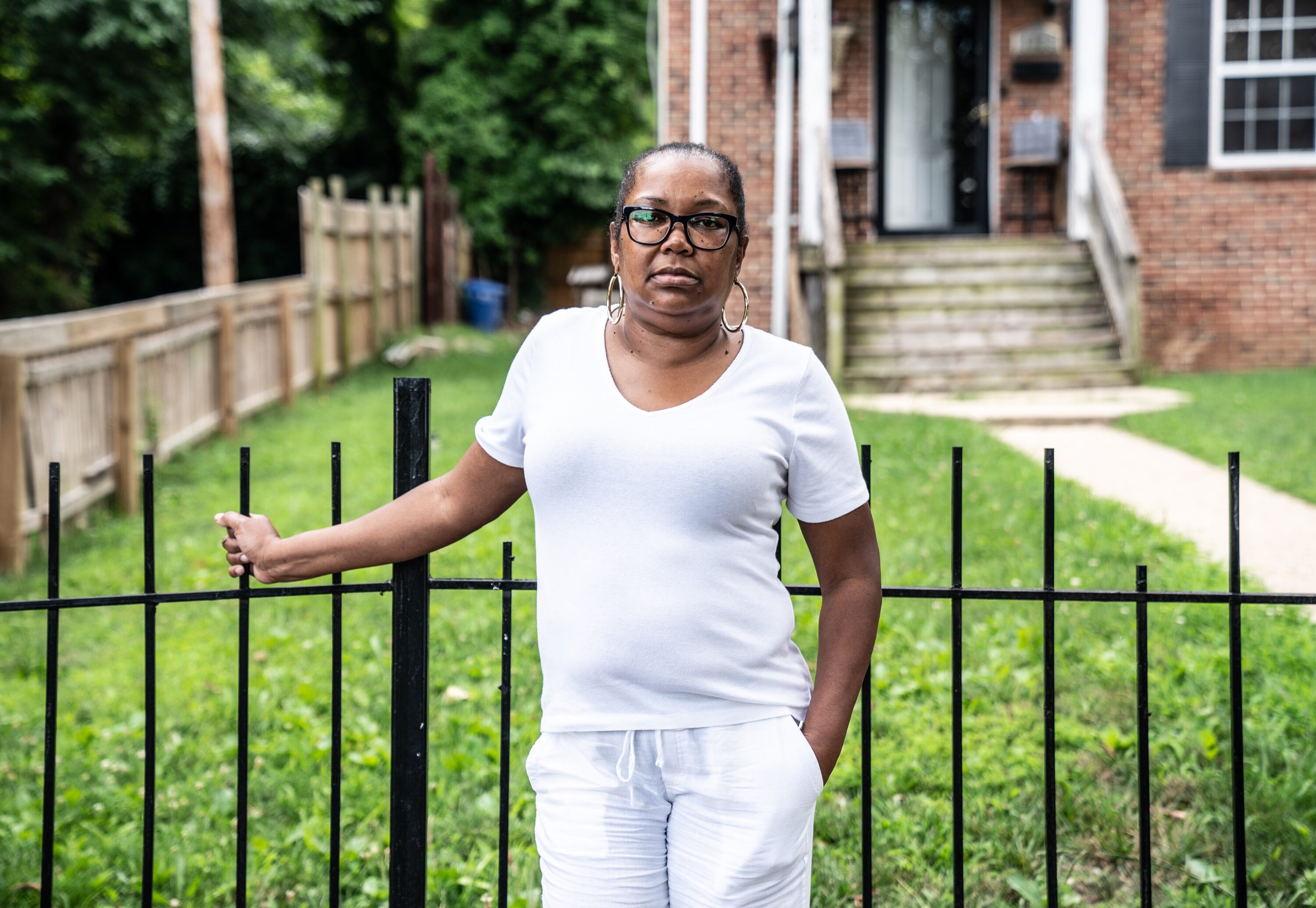
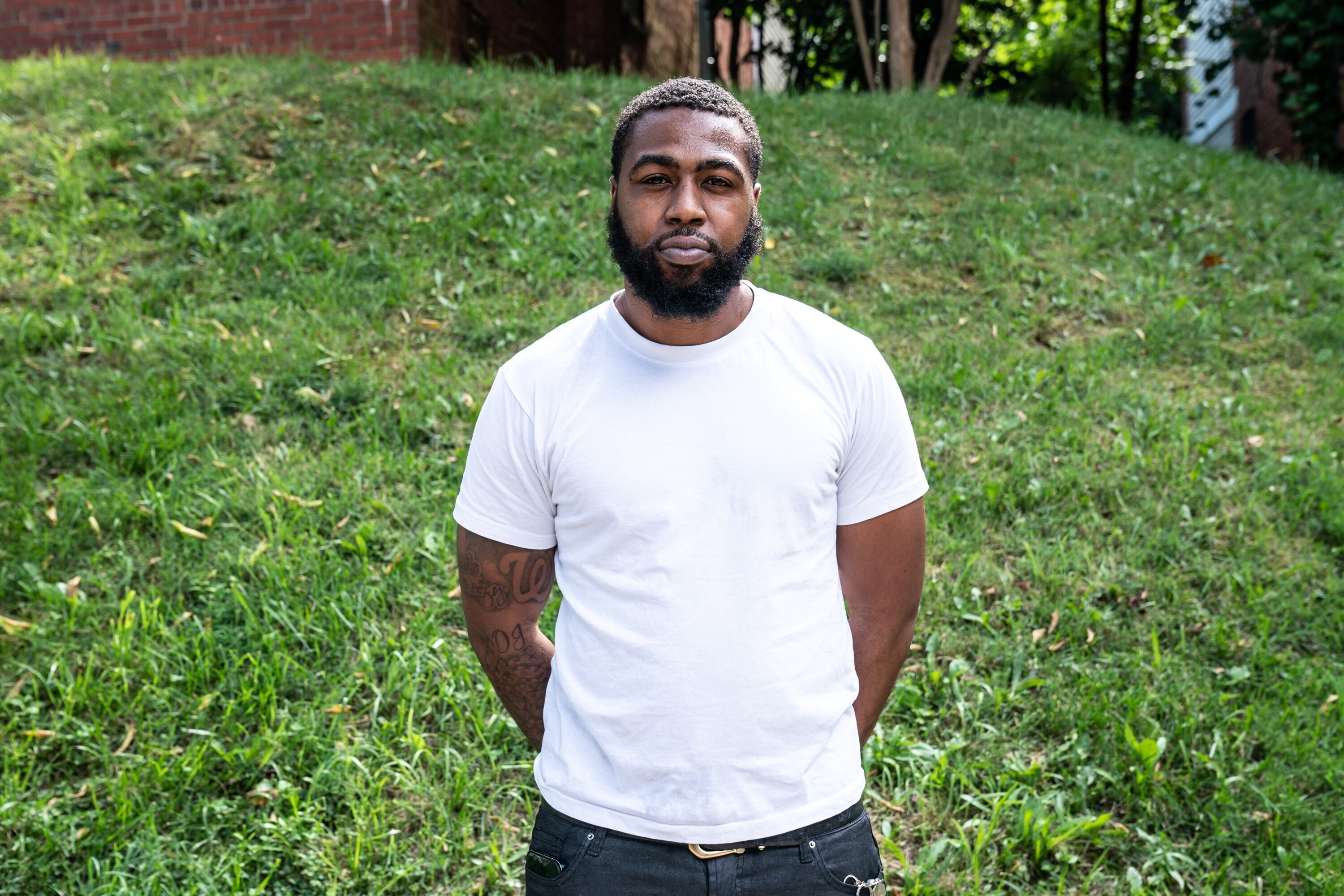
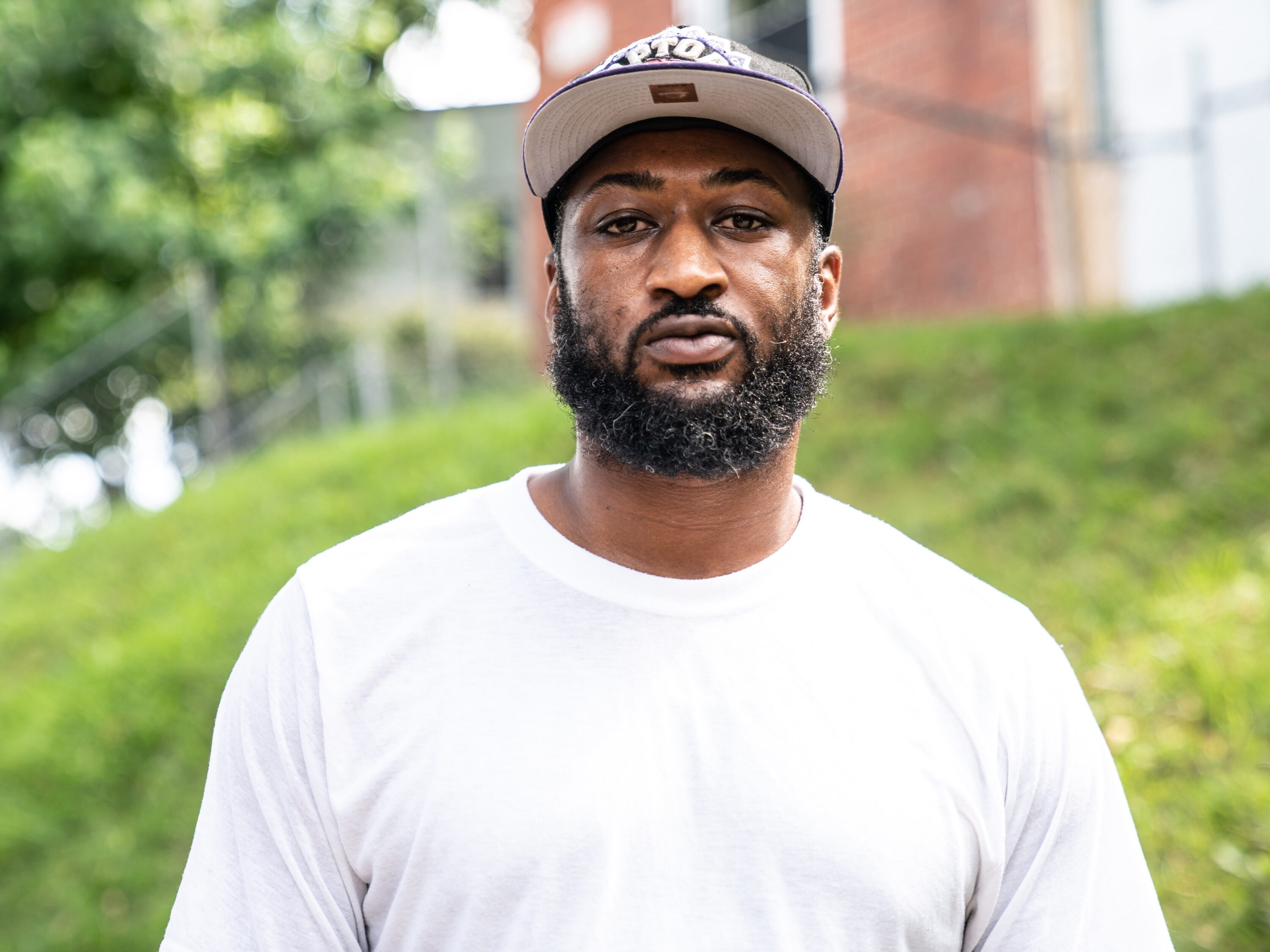
A short walk down the street from the abandoned plot sits another chunk of land that Posey has plans for. Along Suitland Parkway, there’s a large grassy area that she’d like to see developed into a recreation and community center — where kids could do homework in a computer lab, or residents could gather for planning meetings, or a budding entrepreneur could test recipes in a kitchen.
“We don’t have no place to meet, play, or do anything,” Posey says. “I feel like that’s the missing piece from ‘community’ and uniting one another. More violence is going on because we don’t have that medium piece where people can connect, to even think… Most people don’t even have something to eat here.”
Posey emphasized that when the city’s funds don’t support a neighborhood, the community supports themselves — making the park a crucial addition for all residents, young and old.
“I do that to show people from my community, ‘don’t let where we come from have you thinking like, that’s the only way,’” Posey says. “There’s no other outlets. What we get to see? Drug dealers. And I’m not doubting them either, but when you have limited to no resources, that’s what you convert to. I can’t judge my people, I was once like that myself. Now, all I’m doing is showing everyone else this is what you can do also. Don’t let them have you think this is it… We got to understand that this is bigger than us, so don’t get caught up in the maze, because you will get trapped.”
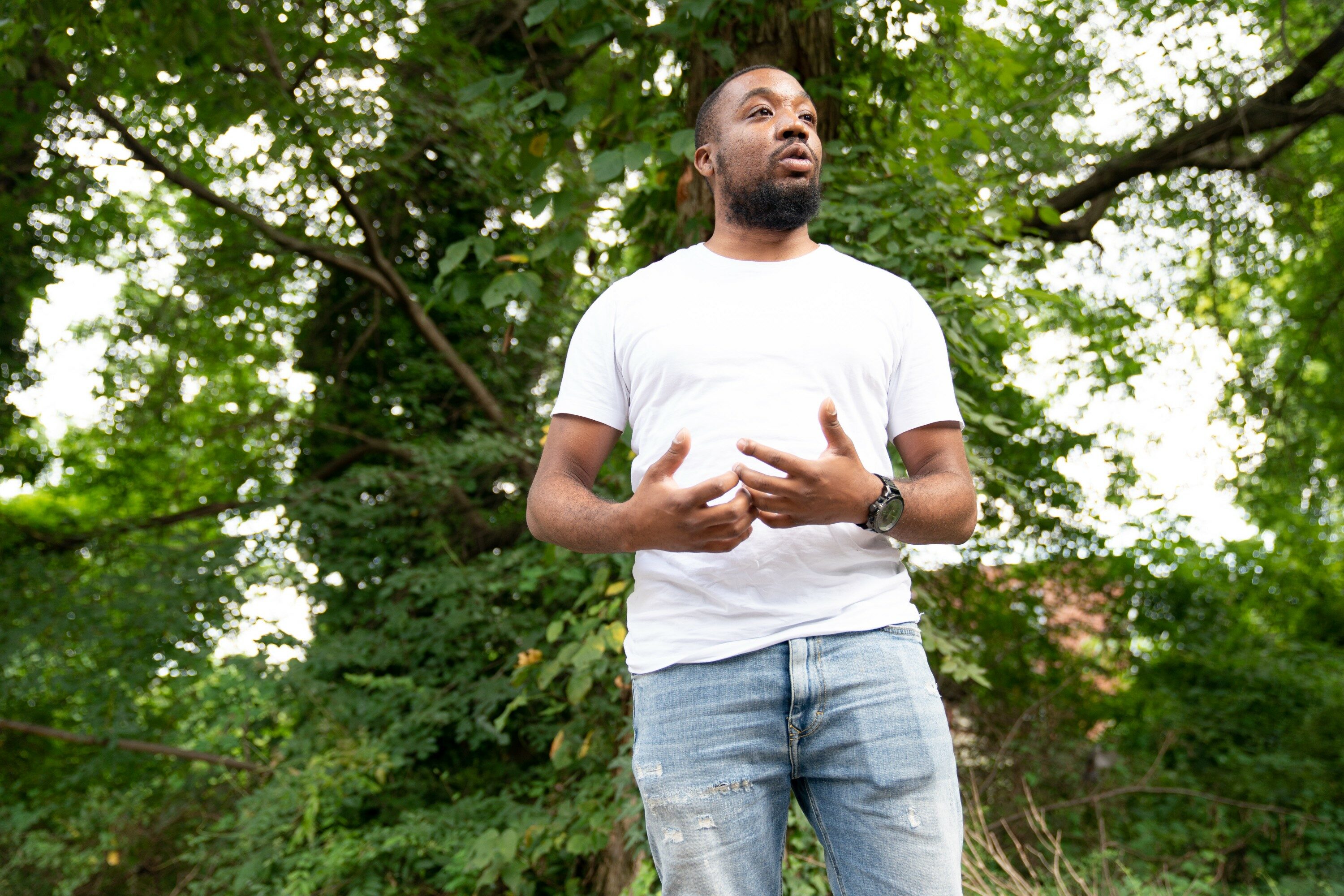
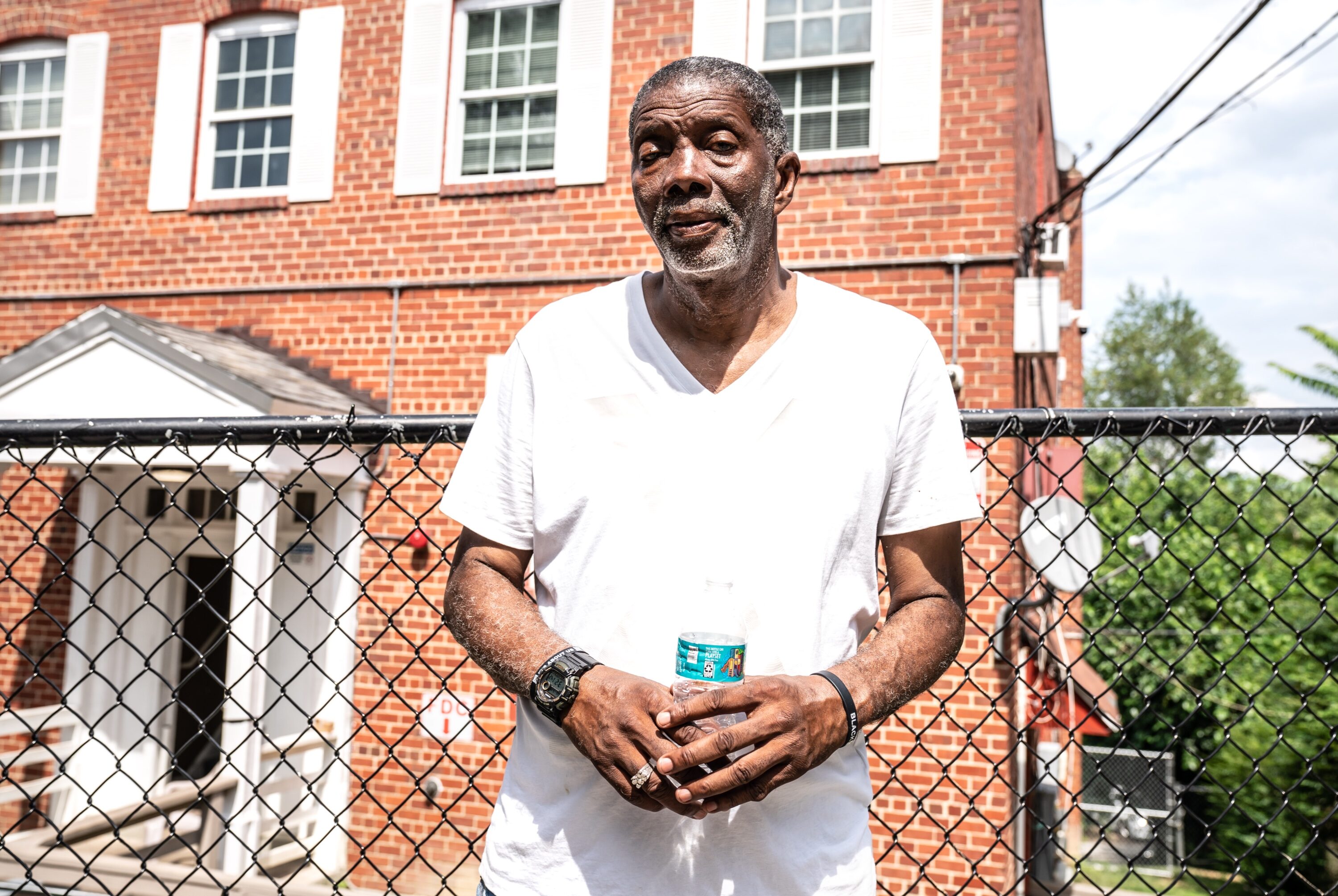
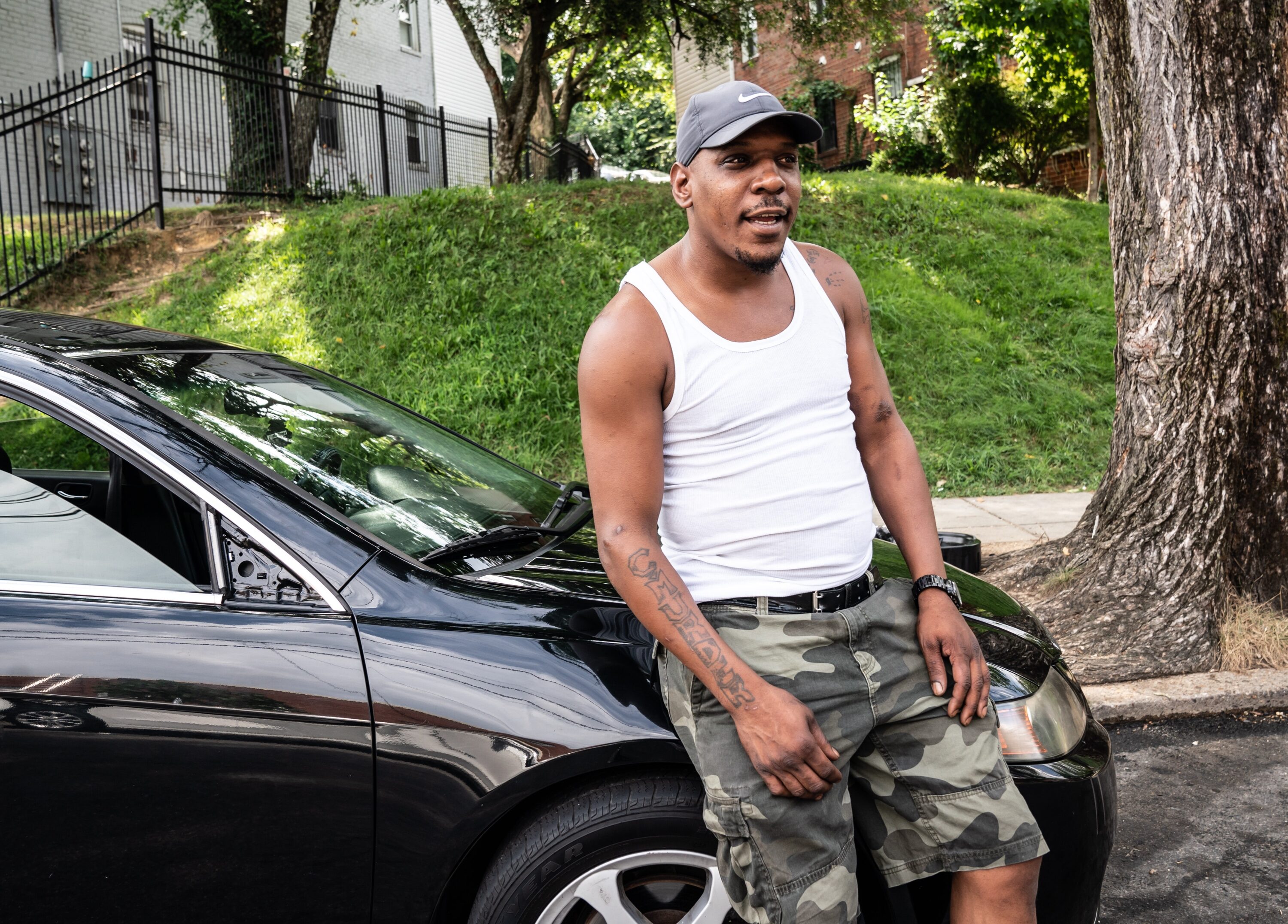
Don Thomas grew up around Buena Vista with Posey, and connected with her after seeing her Instagram posts about her park idea years back.
Now 35, he remembers the outdoor areas where he played growing up.
“Alleys, in the street, watching for cars going by, or going up one of the streets to the schools…but those are places you really have to go to, have a [plan] set in your mind,” Thomas says. “Depending on the circumstances, you might say ‘forget it, I’ll just make something else of my time.’ And it could be productive, it could be unproductive.”
Both Thomas and Posey see the park project as more than just building a space for the community to gather. It’s the process of building and maintaining the park that’s also a force for unity.
“It makes a connection for everyone to come together — it’s our park, it’s ownership, it’s something that we take pride in,” Thomas says. “It’s a sense of pride, building something up, something that wasn’t here before that we worked hard to get, and now there’s something to show for it. Outcomes like that are hard to come by, growing up in the areas like this, where you put in some effort and see something come of your effort. This park will be symbolic on all types of levels.”