Martin Austermuhle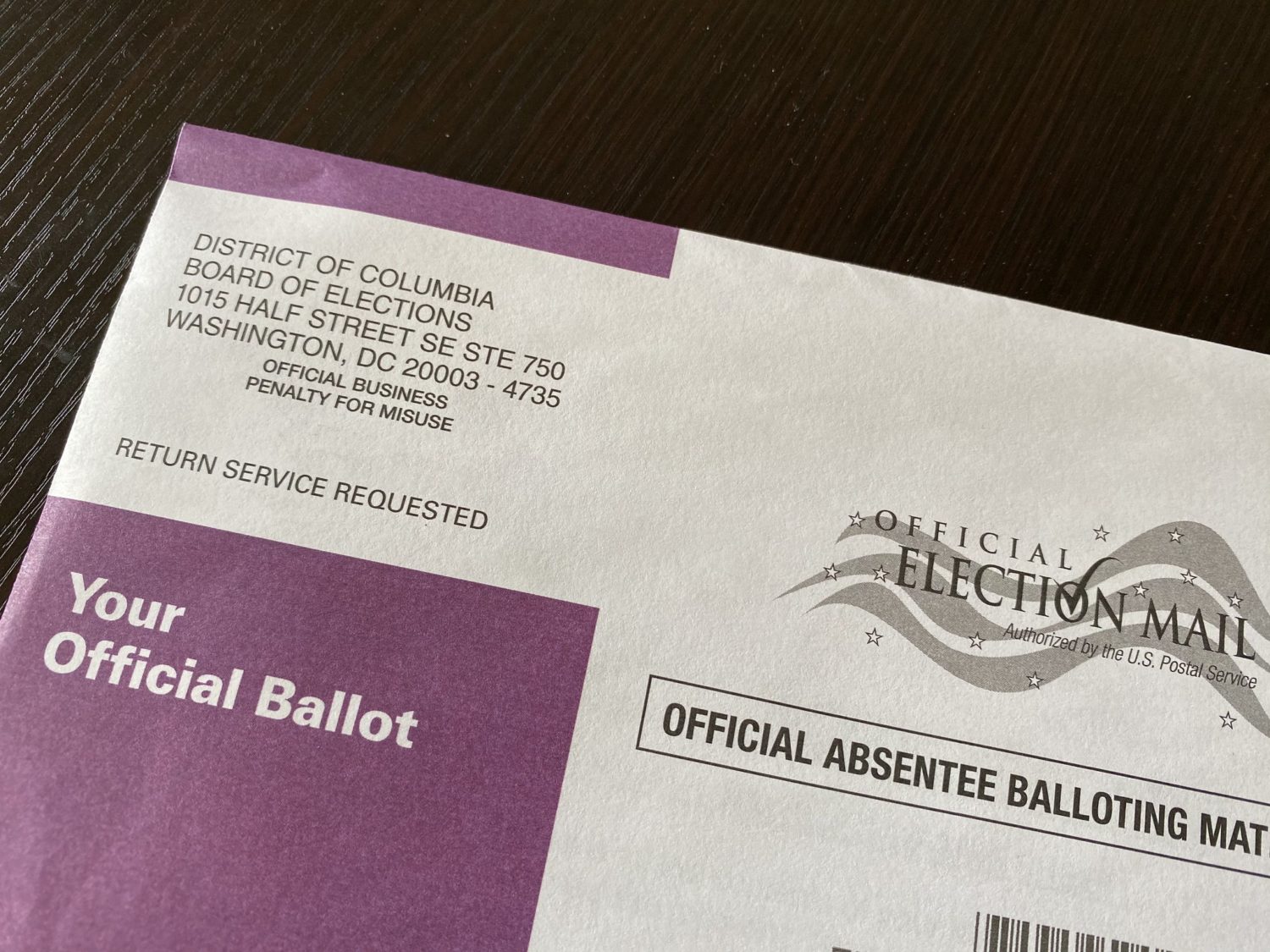
More than 11% of all ballots sent to D.C. voters ahead of the November general election were returned as undeliverable, a rate more than eight times higher than the national average. Additionally, undeliverable mail ballots were highest in wards 2 and 8, exceeding 15%.
Those are among the key findings in a 78-page audit commissioned by the D.C. Auditor on the primary and general elections last year, both of which featured significant changes to how people cast ballots because of the COVID-19 pandemic.
After a June 2020 primary that was marred by long waits at limited polling places and challenges handling a dramatic increase in the request of absentee ballots, the D.C. Board of Elections switched gears and opted to send every registered voter a ballot in the mail — a dramatic leap into vote-by-mail that other states had taken years to implement. And while D.C. voters took to mail voting with gusto — more than 200,000 voted by mail in November — the audit finds that there are still hiccups the elections board will have to address should mail voting become a permanent fixture. (Both the elections board and many lawmakers say they’d like it to.)
And one of the biggest issues is the city’s voter registry. According to the audit, the elections board sent out 421,791 ballots ahead of November’s election. Of those, 48,018 were returned as undeliverable, or 11.4%. (We reported on voters who got ballots meant for people who no longer lived at those addresses.) By comparison, Nevada’s undeliverable-ballot rate was 6.7%, California’s was 1.4%, and longtime vote-by-mail adherent Washington state was only 0.9%.
“The high percentage of undeliverable by-mail votes is a challenge that all by-mail states and jurisdictions often see, as many addresses in the registration records may not be up to date,” says the audit.
That’s especially the case in wards 2 and 8, where 15.4% and 15% of mail ballots, respectively, were returned as undeliverable. The audit says in those cases “the relative frequency of voters in [those wards] changing their address” could be to blame. (Ward 2 has the highest proportion of college students in the city.) Undeliverable rates were also higher for older registrations.
There were other challenges felt more acutely in Ward 8, the city’s poorest — not only was overall voter turnout lowest there, but it also featured the lowest use of mail ballots and the latest return of those ballots when they were used. While Ward 3 voters returned 71.2% of their mail ballots, only 37.2% in Ward 8 did the same. (Voters in the ward had complained that spotty mail delivery had delayed their absentee ballots ahead of the June primary, leading to doubts about mail voting during the general election.) And while the overall number of mail ballots that were rejected was low — 0.3% — it was highest in wards 7 and 8, at 0.5% and 0.6% respectively.
The audit also identified other issues with the 2020 election cycle, including communication challenges, the voter app that was quietly and suddenly discontinued after the primary, and more. It recommends that the elections board create and maintain an app or other systems to allow online voter registration, better and more consistently communicate with voters, improve mechanisms to scrub and update the voter registry, and proactively address equity issues that may limit overall turnout or use of mail voting — which has been found to increase voter participation in other states.
“For D.C. to actualize this potential benefit of expanded by-mail voting, residents must trust this method of voting, understand how to use the system, and have sufficient access to resources and the opportunity to use this option,” says the audit.
In her response to the audit, Monica Evans, the executive director of the D.C. Board of Elections, said that the sudden arrival of the pandemic and how it changed voting challenged election workers. “No one was personally or professionally prepared to tackle the many obstacles we faced,” she wrote. “The agency had to pivot and change course abruptly. Plans that had been in place for 18 months were abandoned and reworked… in just three months time.”
Evans says she largely agrees with many of the recommendations, and says that a new online voter registration system and app are in the works, among other steps to address challenges from the 2020 election cycle.