 Dominique Maria Bonessi
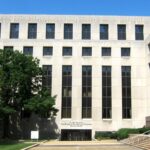
A D.C. Superior Court judge extended the suspension of the ‘speedy trial’ rule until next year, despite recent federal scrutiny about the D.C. jail’s poor living conditions.
Chief Judge Anita Josey-Herring’s order, which went into place at the beginning of the pandemic, suspended an individual’s right to a jury trial within 100-days of their arrest. On Friday November 18th, she extended the order until April 8, 2022.
This means that those awaiting trial at D.C. correctional facilities with criminal charges may have to wait more than 100-days for a jury trial. The judge’s order also gives law enforcement the discretion to release additional individuals on citations, suspends bench warrants in misdemeanor cases, halts weekend jail sentences, and allows inmates, either awaiting trial or on trial, to request emergency release from custody due to the pandemic.
Doug Buchanan, a spokesperson for the DC courts, told DCist/WAMU the judge’s decision is due to the ongoing COVID-19 pandemic “and our inability to pack every courtroom in the court house.”
But, Janet E. Mitchell, special counsel for the District’s Public Defender Services, said in a statement to DCist/WAMU that the judge’s decision demonstrates the “lack of concern for hundreds of residents who are pending trial and living in abhorrent conditions.”
Mitchell added that the court has the ability to work through the backlog of cases, but isn’t doing it.
“Instead, they are adding to it by waiting another four months before they even consider lifting the tolling, which will only add to the backlog and increase the population of (local) residents at the decrepit and abusive DC Jail.”
The extended order comes at a time when the city’s department of corrections is under increased scrutiny by the federal government for unacceptable conditions in correctional facilities.
Earlier this month, the District entered into an agreement with the federal government promising better living conditions at the D.C. jail after an investigation by federal authorities revealed an unacceptable standard of living – cell toilets clogged with human waste, guards withholding food and water from incarcerated persons, and the pervasive smell of marijuana throughout the jail. This prompted federal officials to announce the removal of 400 people in federal custody to another facility in Pennsylvania.
The population of those incarcerated by the D.C. department of corrections has decreased roughly 8% since the beginning of this year to 1,360 people, according to data from the DOC. As of last week, at least 335 inmates have tested positive for COVID-19 since the beginning of the year, according to D.C. Health data.