Tyrone Turner
 Dee Dwyer
The year started with a rollercoaster of events — from the violent insurrection at the Capitol on Jan. 6, to the quiet inauguration of a new president and the long-awaited rollout of COVID-19 vaccinations.
The ups and downs did not stop, as the D.C. region grappled with the rise of new coronavirus variants, communities came together to help new neighbors, and Washingtonians reeled from surpassing the city’s single highest homicide count in 16 years.
Take a look back with us at some of these moments and the stories behind them:
“You can never conquer what you don’t confront. And so today was just about me confronting exactly what happened,” said Pastor Michelle Thomas, pictured in the photo above.
Her son, Fitz Alexander Campbell Thomas, drowned in 2020 at the age of 16, in a tributary of the Potomac River in Leesburg, Va. On the first anniversary of his death, Fitz’s closest friends accompanied Pastor Thomas as she retraced, for the first time, her son’s steps along the path to the place he drowned.

“I feel that the Trump Supporters and Proud Boys coming to D.C. frequently to march and invade the Capitol has been super spreader events that has been spreading the virus amongst the people who already live here and to the participants in the protests,” said Dewitt Hood of Anacostia in the wake of the Jan. 6 insurrection. “Them breaching the U.S Capitol building is disrespectful to the establishment of how the government is ran. It’s like those people are doing things out of selfishness. Us as Black people have been held down a lot. If that was Black Lives Matter they would have beat us or shot us.”
WAMU/DCist spoke with Ward 7 and 8 residents about their thoughts on the fatal insurrection and how law enforcement treated them.
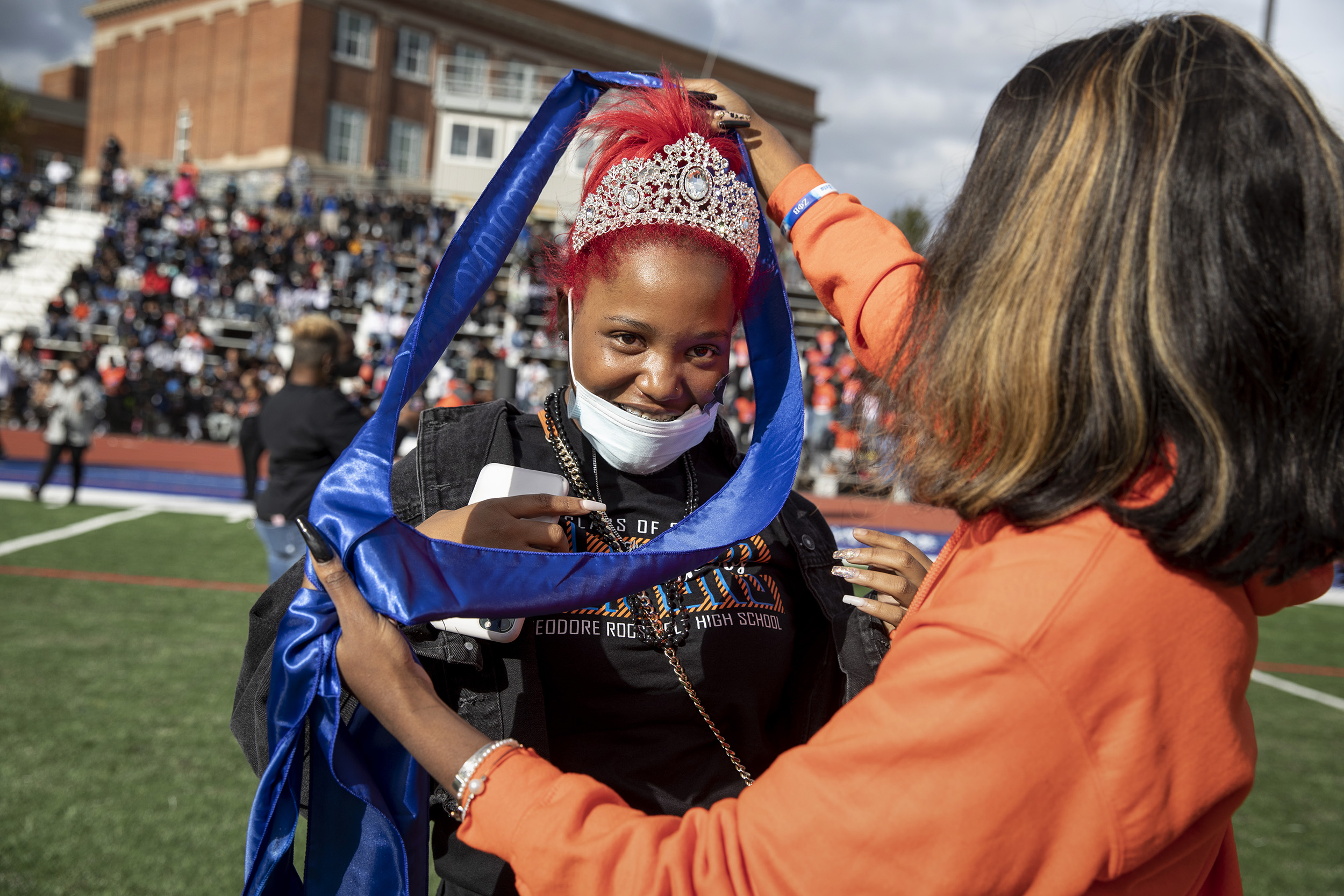
“I feel real loved,” Zhanyah Johnson said after being crowned homecoming queen of Theodore Roosevelt High School. “During quarantine, I just felt alone. Everything was going downhill. And I came back to school and I don’t think I’ve ever been this happy.”
Homecoming returned to the D.C. high school this year after being disrupted by the pandemic in 2020. Students and staff celebrated the return of the high school tradition with a pep rally where Johnson, 18, was crowned homecoming queen, before the homecoming football game.
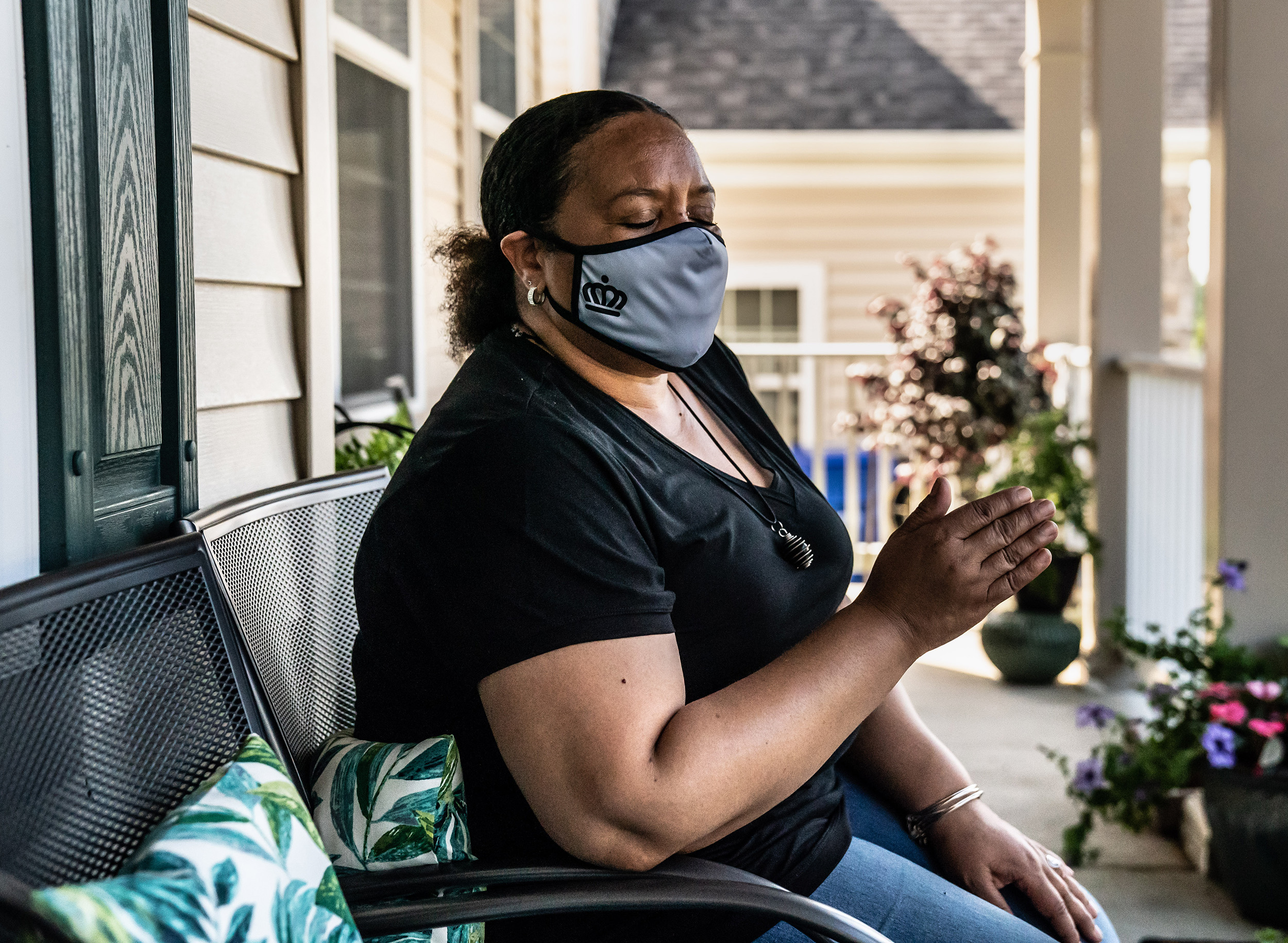
“When she passed away, I thought, ‘What can I do to help me be reminded of her?’ and I thought, ‘The garden, because that’s where we connected,’” Janice Richardson said. “We always talked about our garden.”
One month after three of Richardson’s closest relatives died of COVID-19, she planted a garden behind her Waldorf, Md., home in honor of her older sister, Leslie Leake.
Richardson, 59, named the garden Little Peaches, resurrecting her beloved sister’s childhood nickname.
Later, in February 2021, Richardson tested positive for the virus. She struggled for months with symptoms that sent her to the hospital and kept her out of her beloved garden. By late June, she was feeling better and tending to her garden once more.
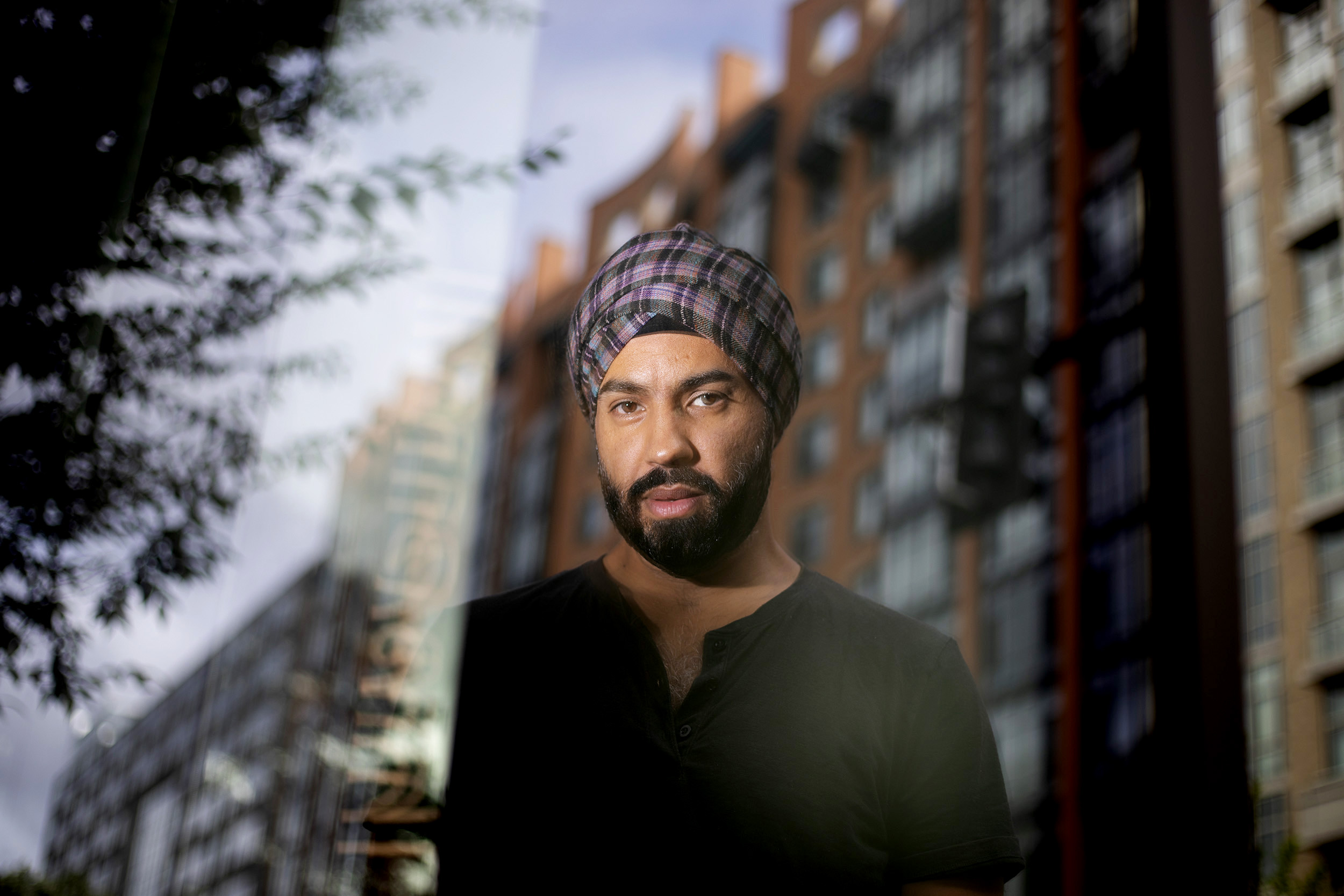
“I grew up in the D.C./Northern Virginia area and on 9/11, I was a student at Georgetown University and [living] in Rosslyn, Va.,” said Community activist and civil rights lawyer Arjun Singh Sethi. “I knew within hours of the attack that the history of the United States would forever be changed, and my life in this country would forever be changed. Being a Sikh American, who can be readily identified by their articles of faith — my long hair and beard — I thought, would I be a target? Would members of my community be a target? Would my Muslim friends be a target, precisely because of what unfolded that day?”
For the 20th anniversary of the Sept. 11 attacks, WAMU/DCist talked to D.C.-area Muslims and Sikhs about how their lives changed after 9/11.
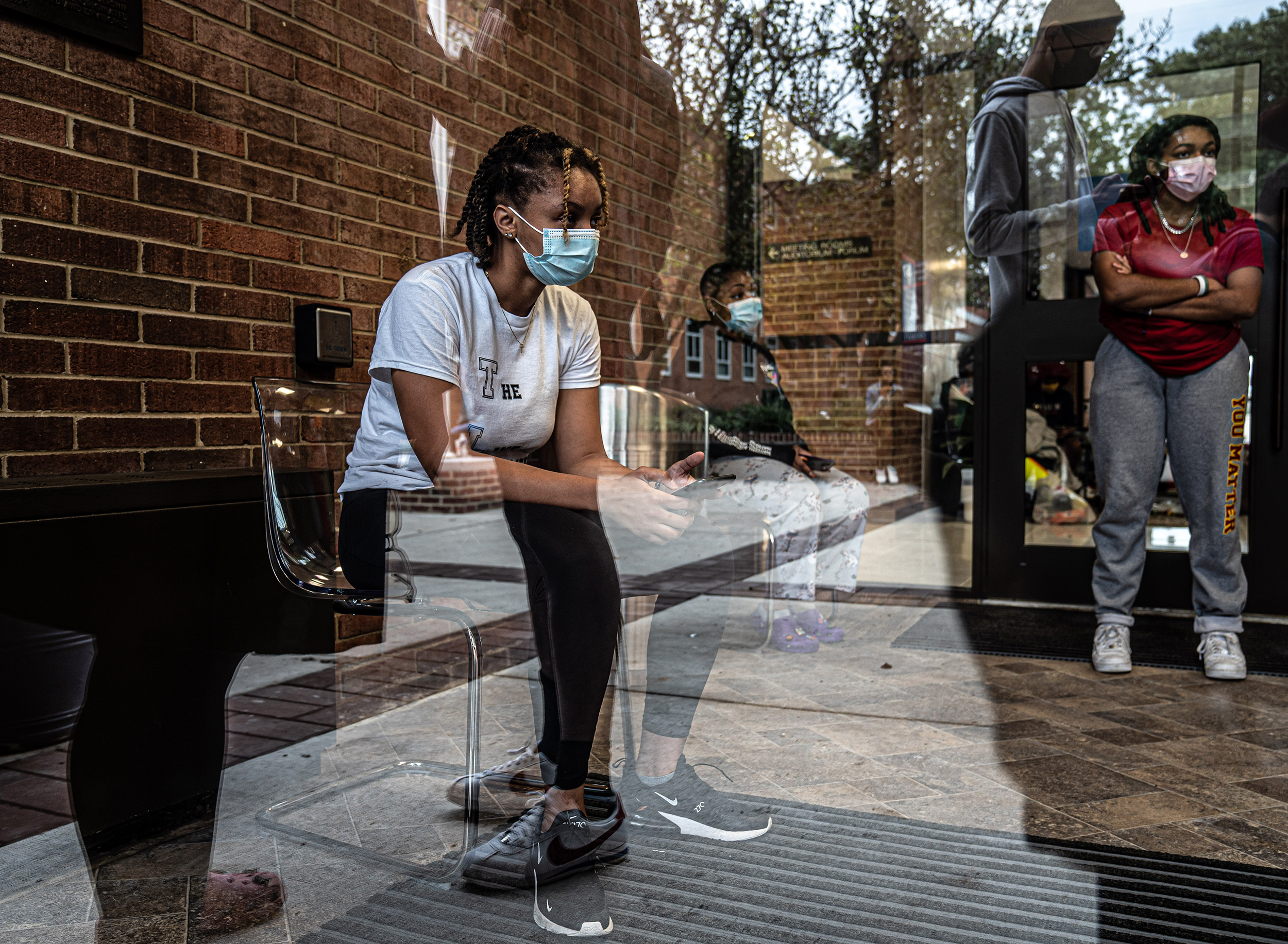
“None of our demands have been met,” said Aniyah Vines, founder of The Live Movement, and an organizer of the weeks-long protest at Howard University. “They didn’t say they would try to push us out, so we’re not going anywhere.”
In October, Howard University students staged a sit-in over poor housing conditions in the dormitories and lack of student representation on the university’s Board of Trustees. After several weeks of negotiations, the students ended the protest.
“We are out here continuing the fight, it’s not going to stop here,” Vines said on Instagram. “We’re not done at Howard, there is a historic disconnect between administration and student bodies, not just at Howard, but at a lot of HBCUs.”
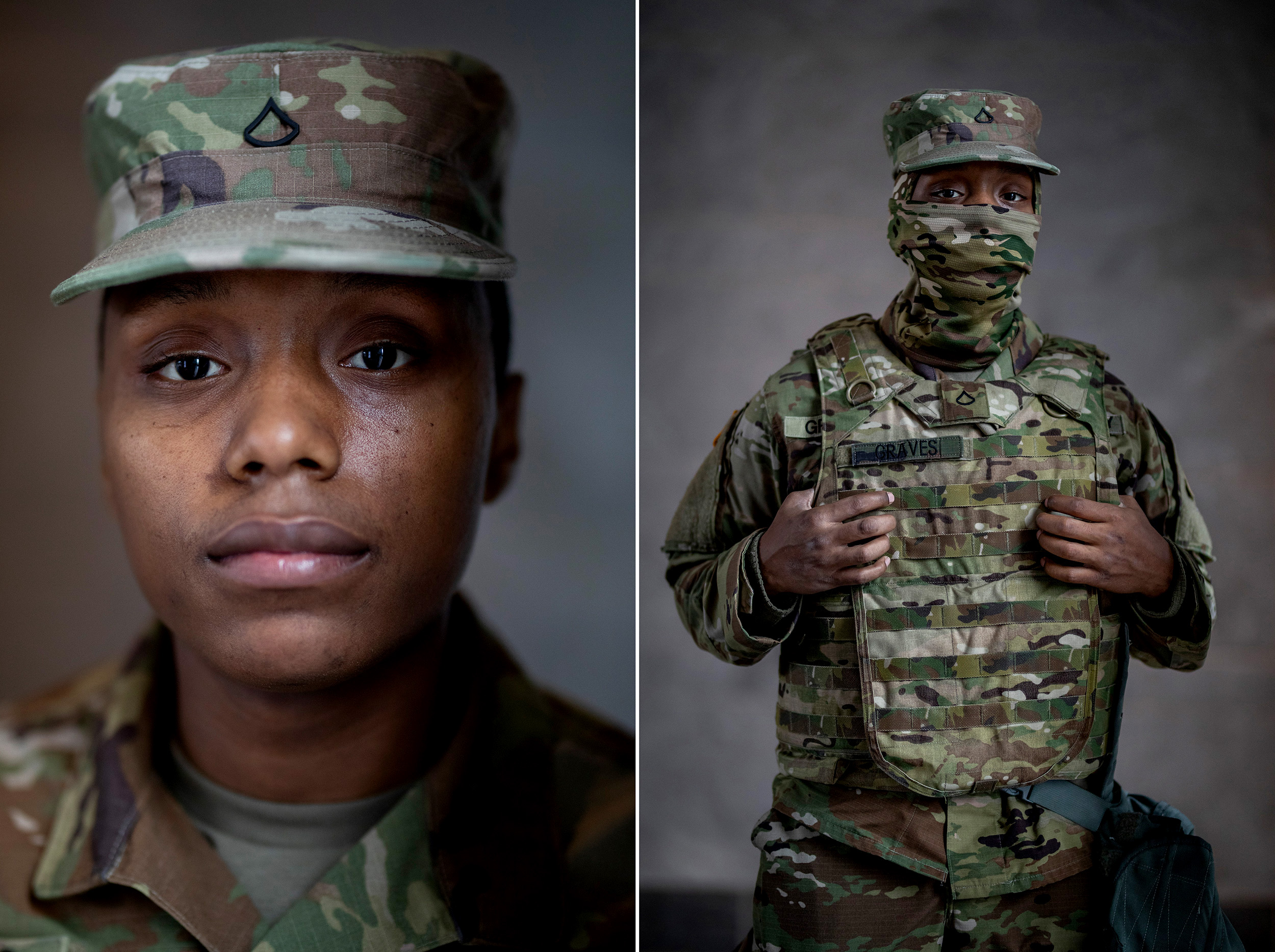
“Being in the National Guard, we have to juggle our civilian life, we have to juggle our military life, we have to juggle family, we have to juggle two jobs because we have the military job and the civilian job,” said Pvt. 1st Class Malique Graves, 273rd Military Police Company, District of Columbia National Guard. “We deal with a lot.”
Graves was raised in Baltimore where he works as a civilian security guard and serves in the Army as a military vehicle mechanic. He said he doesn’t get a lot of down time during the Capitol mission but when he can relax, he likes to read and study.
DCist/WAMU spoke to members of the National Guard protecting the U.S. Capitol after the fatal Jan. 6 attack about the lives they left behind.
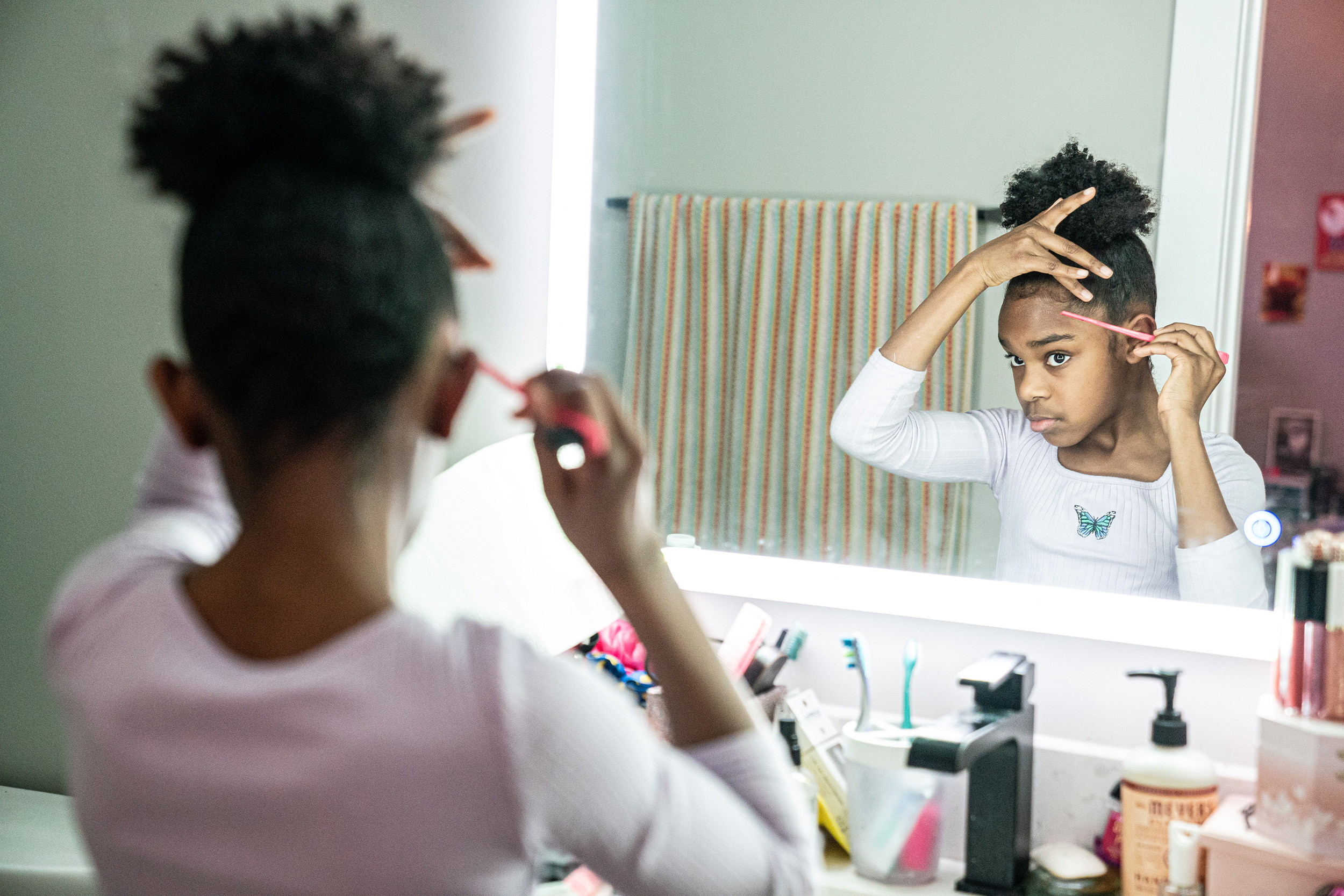
“She’s a blessing, she really is,” Kailasa Aqeel says of her 10-year-old daughter, Saa. “Her gifts? Just lighting up the room, she’s always dancing … always dancing. She’s excited about learning what her body can do as an athlete. She has this mindset of, you can actually do anything, and I want to nurture that in her.”
Kailasa Aqeel is lead vocalist of the band, Black Folks Don’t Swim?. DCist took an intimate look at how five D.C. artists balance Zoom school, masked cheer competitions, PB&Js, and naptime, all while managing clients and new creative projects.
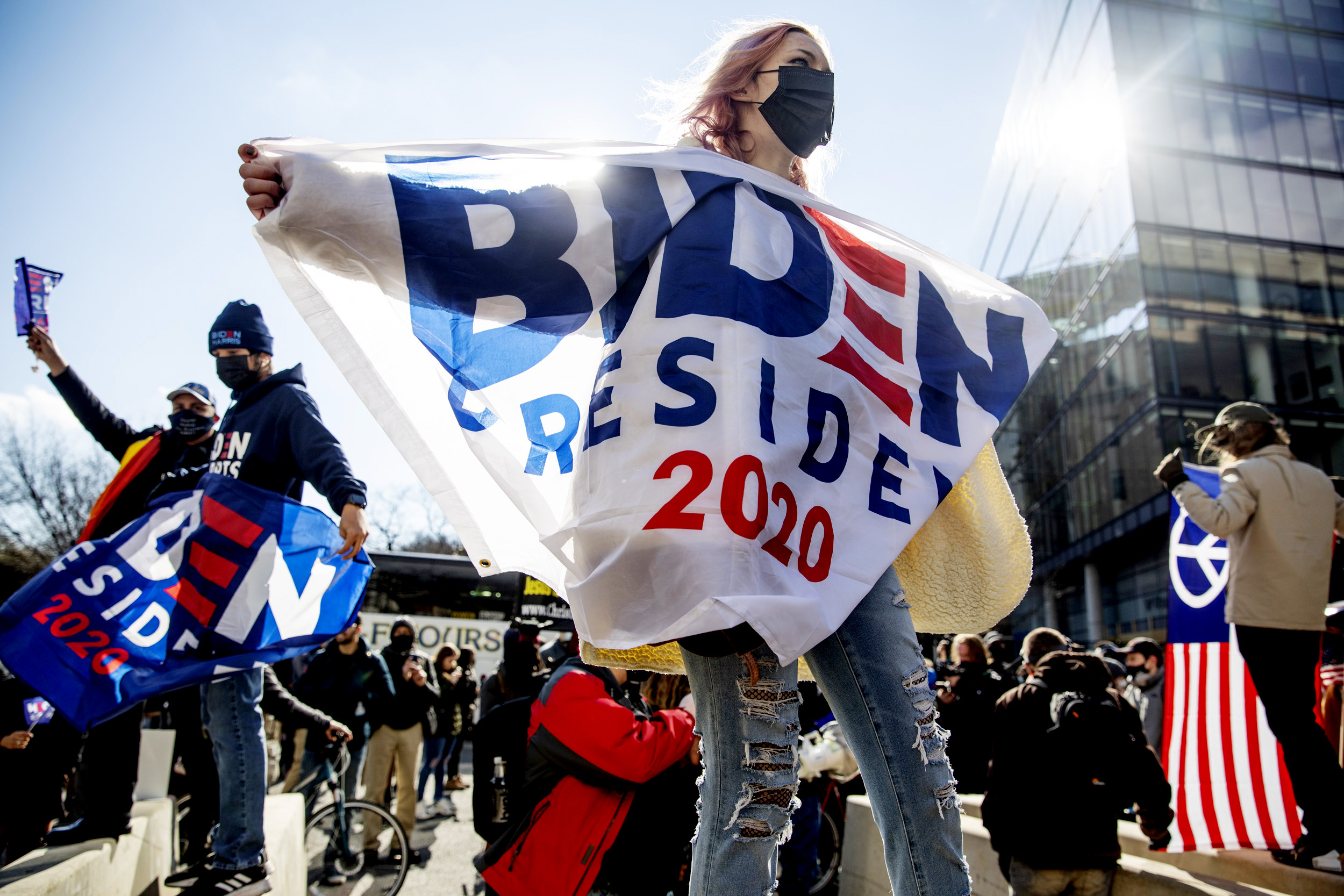
Dallas resident Kiersten Vicknair, 20, waves a Biden flag in the midst of a celebratory crowd on Inauguration Day in D.C.
The District was eerily quiet throughout the day, to the relief of national security officials, local leaders, and residents alike. Officials had put strict crowd and travel restrictions in place in response to the COVID-19 pandemic and the possible security threats that followed the violent insurrection at the U.S. Capitol just two weeks before.
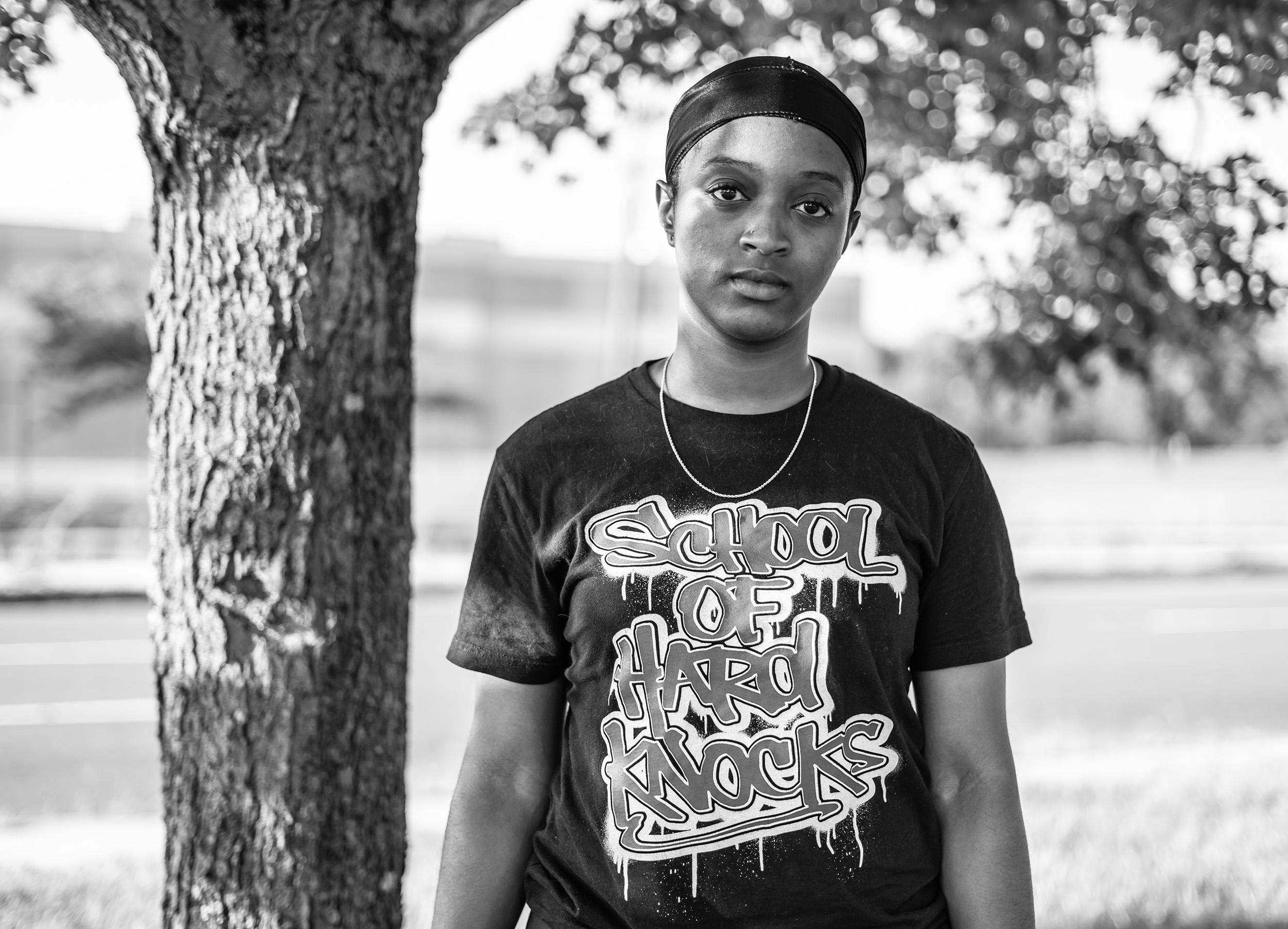
“Community Policing feeds into mutual aid,” said Rozalyn Wingate, an educator in Ward 8. “When we think of the disparities of our communities, why people are doing what they’re doing, if we can target those things, then we can maneuver and build relationships with those who we know to have those conversations on what we would like to see in our community.”
DCist/WAMU asked residents in Wards 7 and 8 what the phrase “community policing” means to them, and what role they think police should play in their communities.
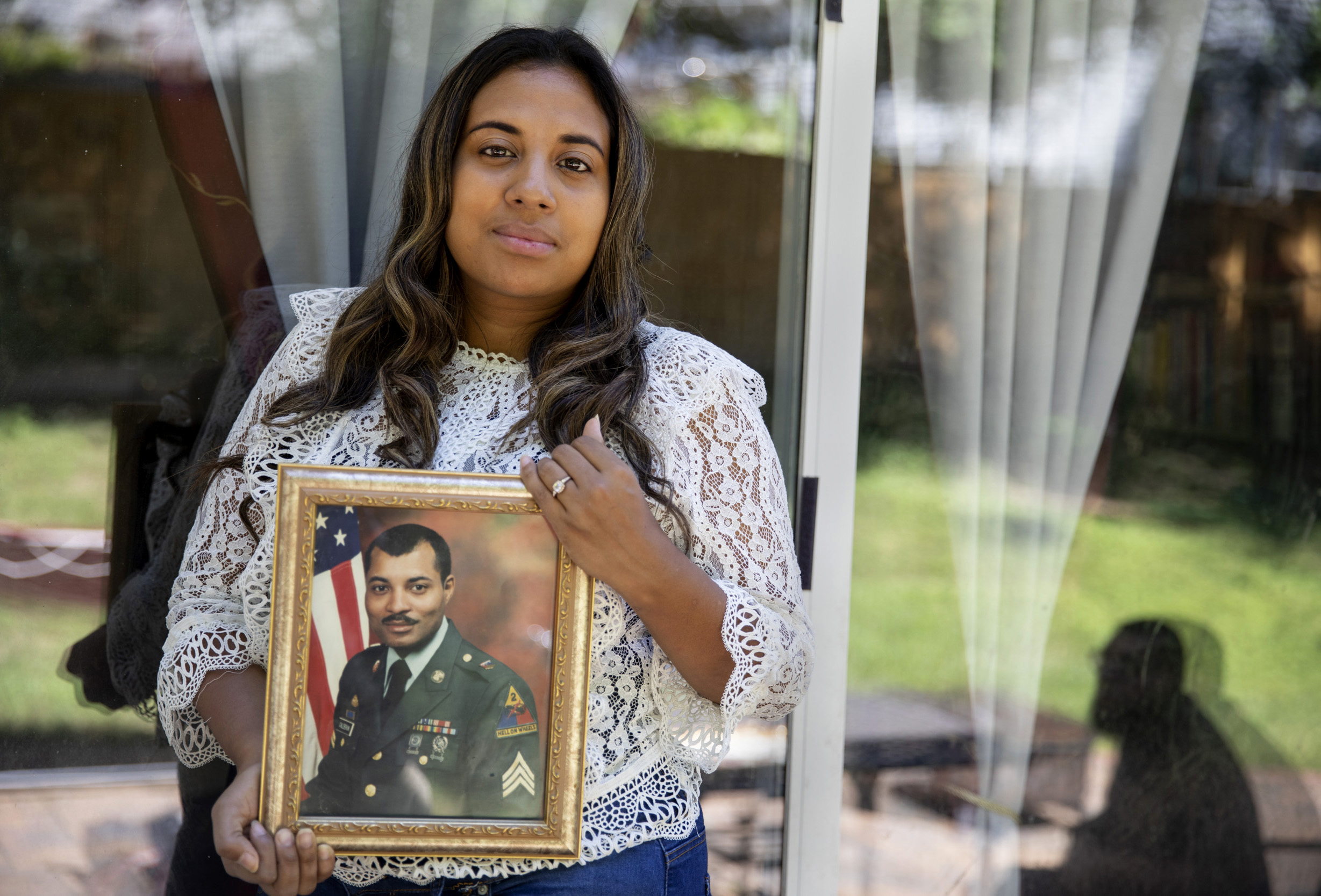
“I hugged him, and I said, ‘I love you.’ And he gave me a kiss on my forehead. And he said, ‘I love you too,’” Vanessa Calderon says of the last time she spoke to her father, Sgt. First Class Jose Orlando Calderon-Olmedo. She was 10 when her father was killed at the Pentagon on 9/11.
For seven people who were at the Pentagon on Sept. 11, 2001 — or lost a family member there — the day was one of unspeakable trauma. Though it’s now 20 years in the past, the anguish never faded.
For more stories from the past year, check out our Year End 2021 coverage.