Martin Austermuhle
 Dominique Maria Bonessi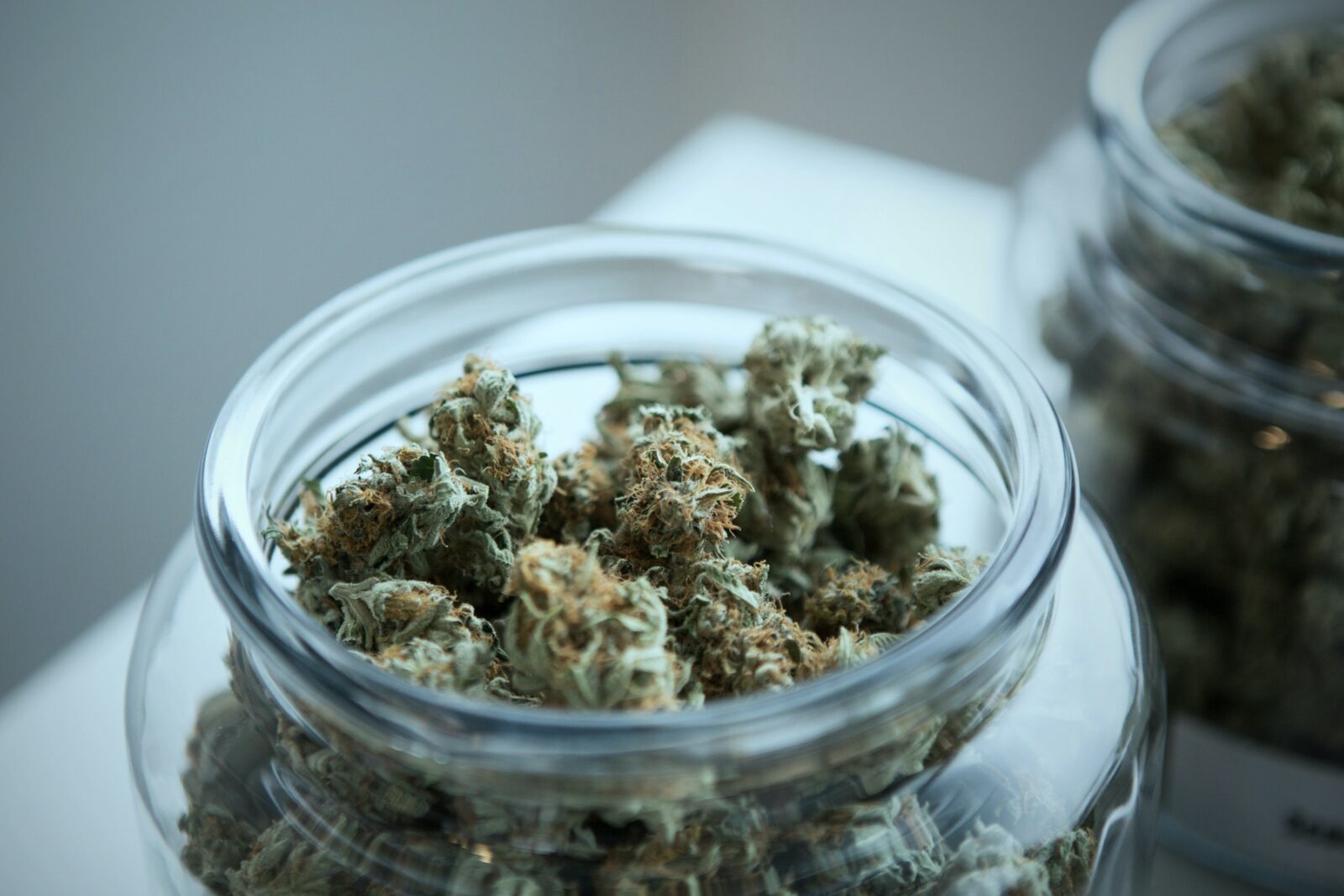
The Maryland House of Delegates on Friday approved a bill authorizing a referendum in November on whether the state should legalize sales of recreational marijuana. A separate approved bill offers limited expungement for certain marijuana-related offenses and legalizes the possession of small amounts of marijuana — provided that voters approve the referendum.
HB 1, the bill authorizing the referendum, passed on a 96-34 vote, while HB 837, which contained the other provisions, passed 92-37.
The legislation — which now has to be passed by the Senate — follows the cautious path sketched out by House Speaker Adrienne Jones last summer, when she said she wanted to let voters decide on whether to legalize sales and then use the 2023 legislative session to fully iron out the details on who will get to sell marijuana, how the tax revenue will be spent, and how to ensure that Black communities most impacted by the war on drugs can benefit.
Should voters agree, Maryland would join a growing number of states that have legalized recreational marijuana sales, including nearby Virginia, where lawmakers approved the concept in their 2021 legislative session and are using this year’s session to create the regulatory structure for the new industry. Under one bill passed last week, limited sales could start as early as September in the commonwealth.
Support for legalizing recreational marijuana has seen relatively consistent and in some cases growing support from Marylanders since 2013, according to polling done by Goucher College. An Oct. 2021 poll put support for legalizing recreational marijuana sales at 60%.
“We’re going to be doing some work to expunge past cannabis crimes, to reduce penalties in this period before we get a legal industry set up, and also do the work necessary to make sure that Black-owned businesses in particular and minority-owned businesses more generally have a real opportunity to participate in the industry,” said House Majority Leader Eric Luedtke (D-Montgomery County) on WAMU 88.5’s The Politics Hour on Friday after the vote. “Given that the drug war was disproportionately prosecuted against communities of color we’re extremely committed that everybody has a chance to benefit from a legalized recreational cannabis industry.”
Still, the two-part process the House approved has drawn criticism from some quarters. One one side, Republicans unsuccessfully attempted to amend the bills by increasing penalties for smoking marijuana in public places and allowing localities where the planned referendum doesn’t get majority support to set their own rules for marijuana.
But some Democrats and marijuana advocates have also been cool to the measures that passed Friday, in part because of the experience with Maryland’s medical marijuana industry.
In 2016, several business owners of color and women were shut out of the first round of medical marijuana licenses provided by the state’s marijuana commission. The majority of licenses went to white business owners; then in 2018, the commission had to go back and ensure equity in the license application process.
Now with legislators making legalization of recreational marijuana a priority, advocates want to ensure that history doesn’t repeat itself. They also want a more aggressive approach to expunging the records of those convicted of marijuana-related offenses in the past.
“Cannabis legalization without an equitable framework is not progressive policy. Cannabis legalization without reparations for communities harmed by the intentional drug war is not progressive policy,” tweeted Del. Gabriel Acevero (D-Montgomery County), who voted against the bill that offers expungements and eliminates some criminal penalties starting next year. (He had introduced a competing legalization bill that did not move forward.)
“I think the biggest thing is, we don’t want to see any more delay,” said Olivia Naugle, a legislative analyst for the Marijuana Policy Project, in an interview with DCist/WAMU earlier this year. “The longer we delay the longer Maryland is going to continue to subject its residents to police interactions, arrests, and criminalization for cannabis, which is now legal in 18 states.”
While Black Marylanders make up roughly 30% of the state’s population, they accounted for approximately 54% of the marijuana arrests in the state in 2019, according to state data. Naugle added that Maryland is the last jurisdiction in the region to legalize recreational marijuana and it has to “catch up.”
One bill now before the Senate would largely mirror the House’s measures, while another from Sen. Jill Carter (D-Baltimore City) would skip the voter referendum and simply create a regulatory structure for the sale of recreational marijuana. It would also more broadly expunge a range of convictions for marijuana-related crimes, offer additional consideration for licenses for marijuana businesses to minorities or people impacted by the war on drugs, and redistribute 60% of tax revenues from sales to communities with the highest number of marijuana-related arrests.
Both the bills will be debated in a Senate committee hearing on March 3.