 Jordan Pascale
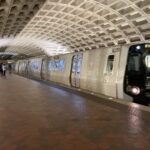
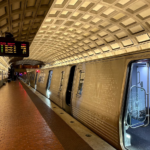
Metro seeks to bring back its beleaguered 7000-series trains this summer with the help of a new regular monitoring system — a suite of sensors in the tracks that can measure the distance between the wheels on each train car.
But the Washington Metrorail Safety Commission, which is providing oversight of the trains’ return, says this new system will need careful scrutiny.
In October, a train derailed outside the Arlington Cemetery when it moved through a switching area. No one was hurt, but investigators found the wheels on the train had moved too far apart — an issue that had sprouted up and been addressed nearly two dozen times in recent years.
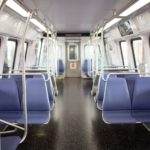
The problem was discovered to be widespread among the 7000-series trains, for reasons that are still unclear. The rail cars, which make up 60% of Metro’s fleet, have been out of commission for six months.
The sensors are part of the proposed solution that could bring the trains back online this year.
One Metrorail Safety Commissioner, Bob Lauby, asked about the new system at Tuesday’s meeting.
“Do we know anything about this system and really how confident are we that it will give us accurate measurements moving forward?” he said.
The in-track monitoring systems have been used in freight operations, but not subways, WMSC Deputy Director Sharmila Samarasinghe said.
“There are specific needs and unique characteristics that the system will need to cater to within the Metrorail system,” she said.
WMSC staff is working to fully understand the features and capabilities of the new system and how they are calibrated to provide accurate measurements, she added. They also will work with Metro to make sure adding the system doesn’t interfere with any other infrastructure.
“Our subject matter experts are fully engrossed and involved in that from a safety oversight capacity,” Samarasinghe said. The sensors would need to be approved by the Safety Commission before they’re put into use.
Metro plans to use six sensors, one on each line, meaning trains would pass them several times a day. One company that advertises a system like this says, “The system firstly captures images of the wheels and processes them with advanced machine vision algorithms” to measure flange height and width, back to back dimension, wheel diameter, profile, and more.
“The Automatic Wayside Inspection System (AWIS) is a critical part of the plan and the vendor has been on-site assisting with the installation of the system,” Sherri Ly, a Metro spokesperson, said in an emailed statement. “Once the installation is complete we will begin the next steps, which include configuration, testing, and commissioning of the system immediately thereafter.”
Ly said Metro is following an iterative process and working with the WMSC to restore the fleet to service.
“We appreciate having received feedback from the WMSC,” Ly said. “We are incorporating feedback from the WMSC into the next iteration of these documents and plan to submit the full package for formal approval in the coming weeks.”
The transit agency has laid out a proposed timeline: April 30 for turning in a draft safety certification for the in-track monitoring system, wrapping the safety process by late May.
Originally, the transit agency was set to bring a return to a service plan to the WMSC this month. In January, Metro said it would take 90 days to find the root cause of the wheel issue that has plagued the trains.
But last month, General Manager Paul Wiedefeld announced more delays. He said they haven’t found a specific cause, but cited a series of factors, which Metro has not outlined in detail because of the ongoing investigation.
Instead of waiting to address the root cause, he said Metro will rely on the in-track monitoring and a new digital tool for other regular measurements. The WMSC also needs to approve that tool instead of the analog measuring device they use now. Metro previously got in trouble for using the digital tool without approval or validation.
WMATA hasn’t been able to offer service beyond trains every 10 minutes on the Red Line and 20 minutes on all other lines. Metro says service will stay the same through the summer but eventually hopes to get to more trains during rush hours and throughout the day.
Also Tuesday, railcar manufacturer Kawasaki released a fact sheet, among its first public comments on the train issue. The document says all the trains were delivered with wheels that met Metro specifications and there’s no evidence so far that any defect is attributable to the manufacturer. It also notes that in 2017 Metro changed the specifications for how much pressure should be applied to the wheels after having wheel issues with other older trains.
The National Transportation Safety Board’s investigation of last October’s derailment is ongoing.
This story was updated with comment from Metro.