 Eliza Tebo
When Owen Harris and his wife moved to D.C. from Seattle last year, everything seemed to be on track: Harris had landed a job at the State Department after three years of graduate school and the District seemed like a great place for his wife to find a job in education.
But what the couple hadn’t banked on was the dual burden of living in one of the nation’s most expensive cities and carrying a student-loan debt package totaling about $30,000.
“We’re just going to start sinking as soon as they kick in,” says Harris, 31, of the looming restart of federal student loan payments.
Payments have been on pause since the beginning of the pandemic. Initially, the CARES Act put in place a six-month suspension, on both payments and interest. That freeze has since been extended several times, most recently on April 6 when the Biden administration extended the moratorium through Aug. 31, just weeks before it was set to expire.
For Harris and tens of millions of borrowers, the continued reprieve has been a sizable gift. With some 43 million debtors currently owing $1.75 trillion in federal student-loans, each borrowing just over $38,000 on average, it’s one of the most significant financial challenges facing adults in the U.S.
Washington D.C. sports the highest average debt-per-borrower nationally, with an estimated $55,000 owed per person. Maryland and Virginia come in second and fourth, according to September 2021 data from the Department of Education, averaging $43,011 and $39,304 per borrower, respectively.
While Harris and his wife, Basak Oktay Harris, cut corners by skipping some grocery-store trips and implementing austerity measures like ordering water when friends invite them out for cocktails, he says the $300-$500 monthly bill once loan payments restart may force them to relocate.
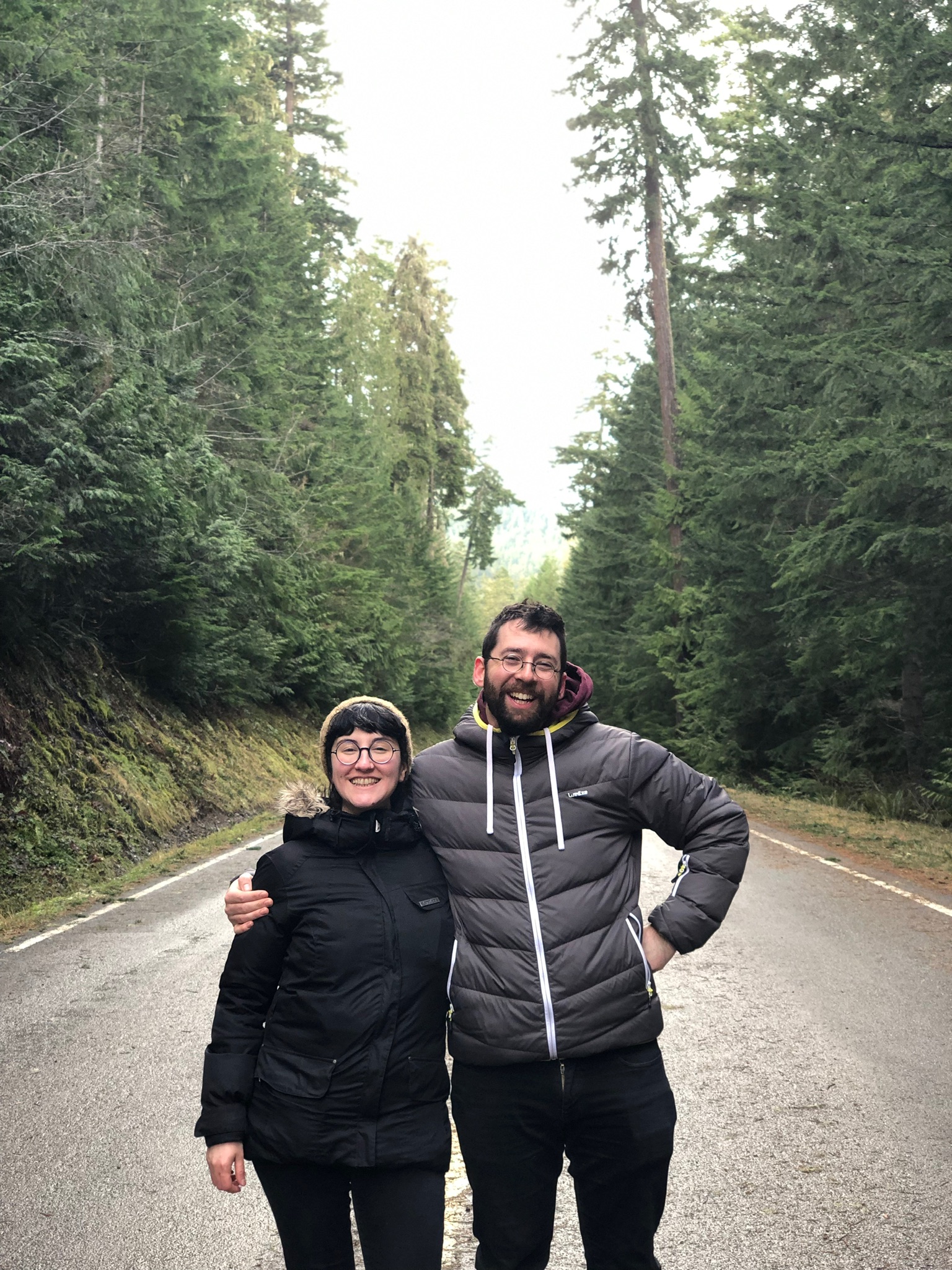
“I took on this debt to get this education to get this job,” says Harris, who had already shaved $20,000 off his student-loan tab before the pandemic. “But it might be servicing that debt that has me not be able to stay at this job because I’d have to find something else or somewhere else to live in order to make that work. Something’s broken about the system.”
Student debt has soared over the past few decades. In 1970, a college student graduated owing an average of $7,458 (adjusted for inflation) and that cost didn’t crawl past $20,000 until the mid-1990s. During the Great Recession, perilous economic conditions generated “a perfect storm”: cash-strapped public universities ratcheted up tuition, a host of predatory for-profit schools emerged, and rampant unemployment led many graduates back into higher-ed hallways for another degree. Between 2011 and 2021, total student loan debt rose by more than 91 percent, and salaries for young graduates haven’t kept up. The crisis has some advocates and politicians, including Senate Majority Leader Chuck Schumer (D-N.Y.) and former presidential candidate and Sen. Elizabeth Warren (D-Mass.), arguing for student-debt cancellation.
The Biden administration has already canceled some $17 billion in federal student loan debt, but hasn’t yet made good on his campaign pledge to eliminate at least $10,000 of debt per borrower. But even that gesture wouldn’t go far enough for some debt-cancellation proponents: in January, 85 Democratic legislators sent a letter to President Joe Biden urging him to cancel up to $50,000 per borrower. Partial or total forgiveness also enjoys broad public support — in a February poll, 66% of likely voters expressed a desire for loan forgiveness.
Advocates argue that erasing student-loan debt would help tackle several goals at once: stimulate the economy by unleashing more borrower dollars, and make education more accessible while addressing the racial wealth gap and tackling gender disparities. Student debt disproportionately burdens Black students and roughly two-thirds of student-loan debt is carried by women.
“[Borrowers] are being burdened with this debt simply for having the audacity to go to college, to want to learn, to try to better themselves and bring themselves more fully into the economy,” says Braxton Brewington, a spokesperson for debt-cancellation advocacy group the Debt Collective. The organization gathered with scores of others outside the Department of Education in early April to lobby for cancellation.
Debt cancellation is not without its critics. Among the arguments against it is that it’s not fair for tens of millions to see their debt erased when others had to live with the monthly bills. In a September letter to Education Secretary Miguel Cardona, four Republican legislators led by Rep. Ted Budd (N.C.) expressed opposition to widespread debt cancellation, calling it an “affront to the millions of borrowers who responsibly repaid their loan balances.”
Silver Spring resident Jennifer Adcock is contending with a debt tally of some $90,000 and says she doesn’t understand this attitude towards forgiveness.
“You should want better for the next generation after you,” Adcock, 31, says. “I don’t really understand the mindset of, ‘Oh I suffered, so you should have to suffer.’”
When Adcock started making payments in 2018, after getting a forbearance during a two-year stint in AmericaCorps, her initial monthly bill was $1,100 — more than her rent.
“It looked a little bit insane,” she says.
Eventually, Adcock was able to cut that payment down by nearly 90 percent using an income-driven repayment plan. Those options, as well as public-service loan forgiveness and other forgiveness plans, effectively cancel student debt once a requisite number of payments are made. But those solutions have their own challenges — income-based plans are tricky to navigate and can have negative tax consequences. In March, the Biden administration announced an appeals process for the public-service loan forgiveness program, which was overhauled in October 2021 after reporting a 98% denial rate that same year. On Tuesday, the White House announced new assistance for millions of borrowers that addresses long-standing issues with income-driven repayment plans.
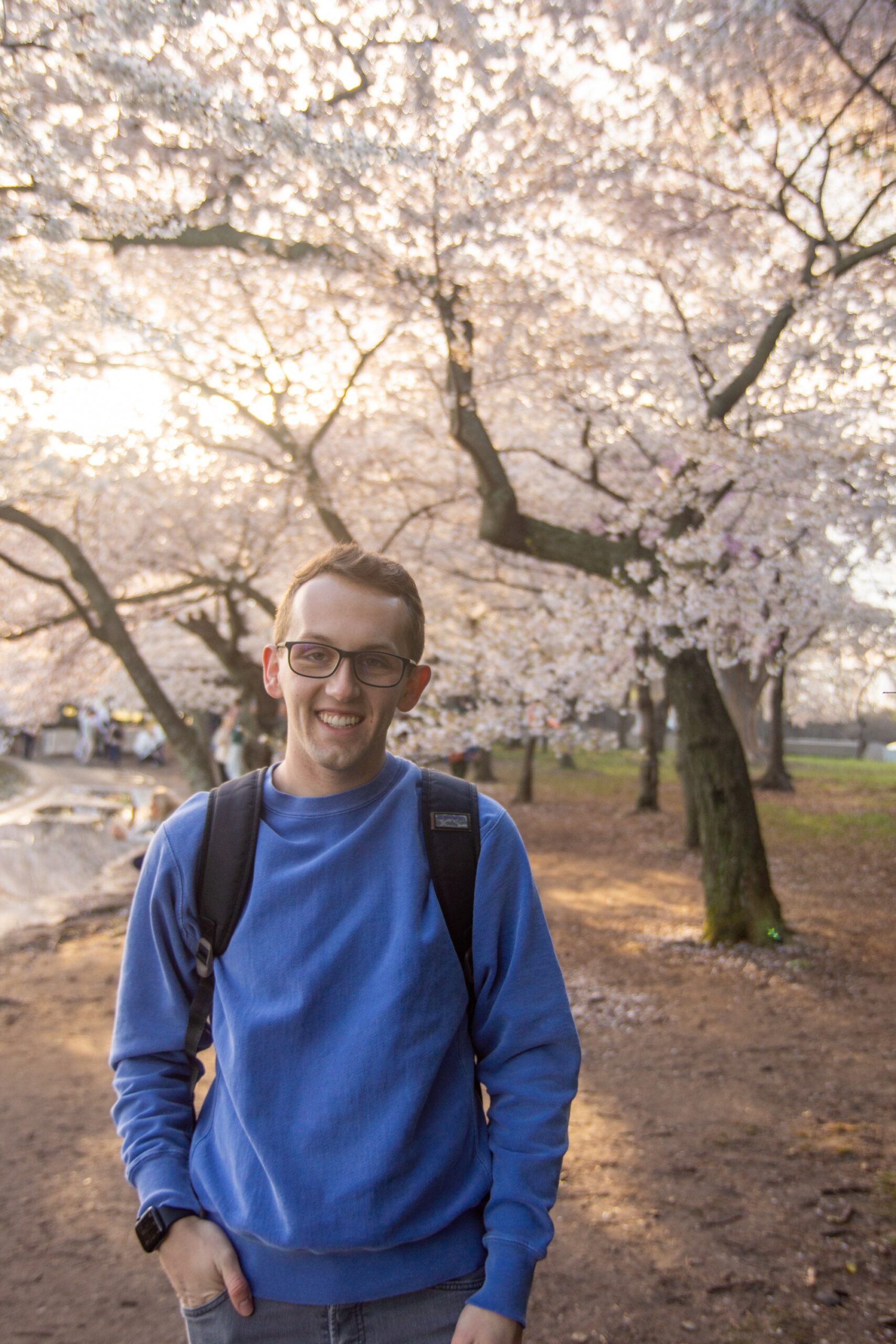
D.C. resident Ian Coon, 24, works for a D.C.-based startup called Savi, which is designed to help student loan borrowers simplify the complicated repayment process — a job he was drawn to because of his own student-loan burden of about $80,000.
Coon took on both private and federal loans to complete his degree in journalism at an Iowa school—for which he received merit-based financial aid and completed a semester early to save on tuition. He’s made payments on the private loans steadily since June 2020, adding a weekend job in retail to his plate to help pay them off faster — but it’s only helped so much.
“It doesn’t feel realistic to ever be able to buy a house, definitely not in D.C.,” Coon says. “Ownership feels very out of the question until [student-loan debt] is gone.”
If Coon could rewind the past few years, he says he might have considered attending a more affordable school but that teenagers don’t receive much guidance about how debt will impact their daily life for what can be decades. While there’s pressure to attend college, he says, there’s not much information about how to pay for it.
“It’s a really huge, confusing financial product we give to really young folks to have to figure out.”
For many borrowers, the over two-year pause showed what’s possible without debt. Alexandria resident Sasha Ayana Pierre-Louis, 28, racked up $35,000 in debt during her bachelor’s program in psychology at George Mason University, despite cost-saving measures such as scholarships and serving as a resident advisor.

From late 2016 through August 2020, Pierre-Louis made regular monthly payments on her loans, even continuing payments in the early months of the COVID-era reprieve. The money she’s saved by taking a break much of the last year and a half, however, helped her qualify for a first-time homebuyers’ program and today, she’s a homeowner.
“It would have been pretty tight if I had to pay my student loans,” she says.
Pierre-Louis thinks the government should cancel student debt but says it must come with more system-wide changes or risks repeating the same cycle.
“I support cancellation, but I also strongly support helping those students who are in college now, ‘cause they have to deal with the same issue in five or 10 years,” she said. “There’ll just be more calls for cancellation that may not be saved by a pandemic or some crisis where the government is going to drag their feet.”