Dee Dwyer
 Colleen Grablick
On June 24, the Supreme Court overturned the landmark Roe v. Wade ruling, ending nearly five decades of constitutional abortion rights, leaving the future of abortion up to the states.
D.C., which protects the right to abortion by law, has for years been a haven for residents travelling from states with more restrictive laws seeking abortion care. This demand is only expected to surge in a post-Roe era, and residents in Wards 7 and 8 fear this will mean only further barriers to care for the Black people seeking reproductive services in the city.
“Our communities always get the leftovers or are the last to be considered for quality care & information,” says Dionne McDonald. “Wait [and] appointment times in a system that is already slow moving when it comes to caring for our people will only become exacerbated by the influx of people who come here from banned states. It’s the lack of understanding complex familial situations and other underlying health concerns that make this even more dangerous for our people.”
Despite the legal protections afforded to abortion in the city, D.C. has one of the highest Black maternal mortality rates in the country. Black women seeking reproductive care already have to face medical racism, distrust by doctors, and often a dearth of adequate healthcare resources compared to residents in whiter, wealthier parts of the city. When it comes to the fall of Roe, residents fear seeking abortion care will be no different.
“We were dying at a faster rate than any other race because they stigmatize us and saying ‘oh, you know, black women, we’re strong, we can handle pain, don’t medicate her or she’s complaining,” says Leah Johnson. “When actually, no, every race we’re human, like we hurt the same, bleed the same. And it’s just no one advocating for us.”
For this Voices of Wards 7 and 8, DCist spoke with residents about how the fall of Roe will impact the Black community in D.C. Here’s what they had to say. Responses have been edited for length and clarity.
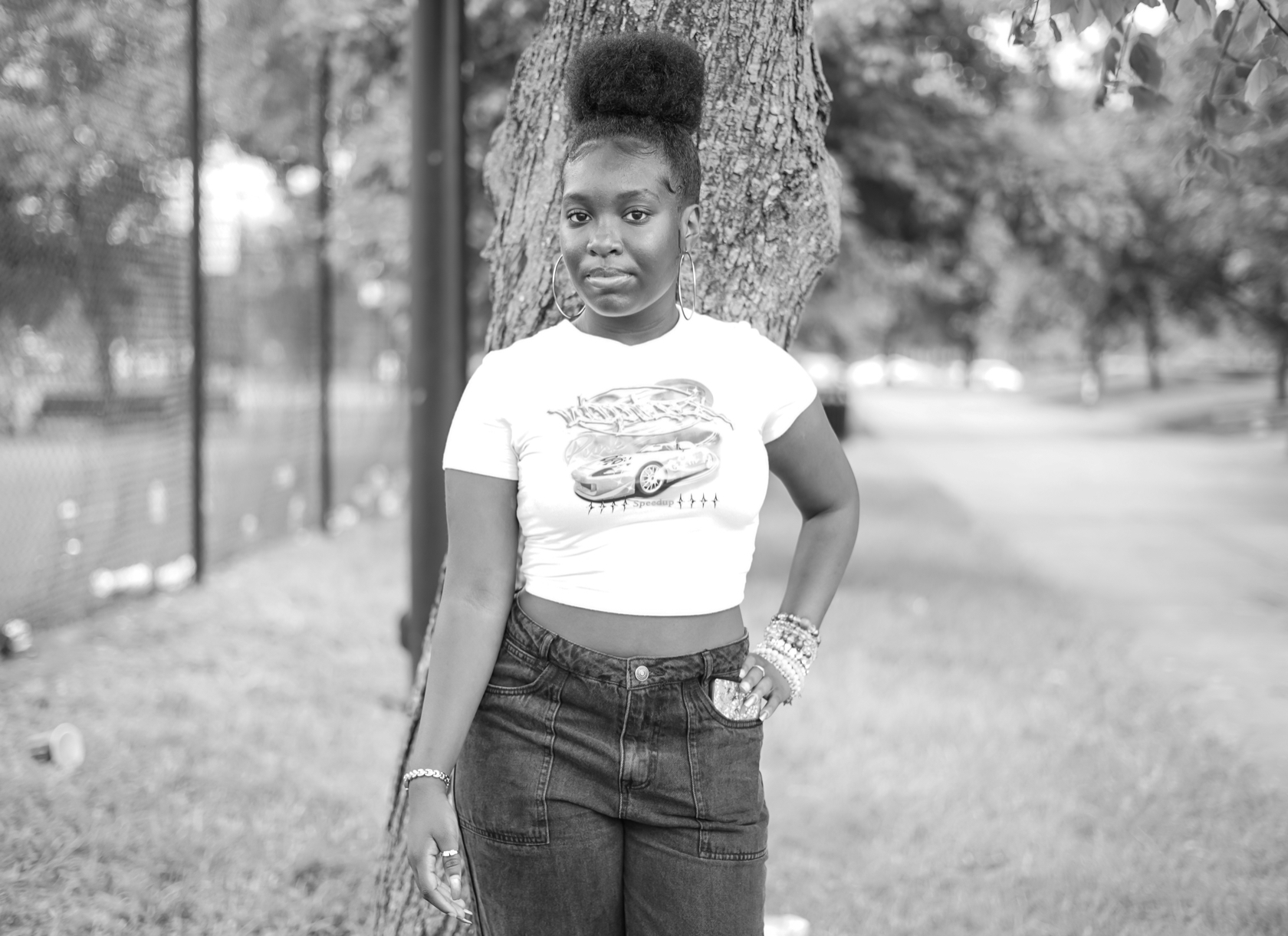
Mariah Delbe
They [Black communities] will be affected because it’s already limited resources for them to get abortions. So the fact that there’s more people trying to come to D.C., there won’t be anything left for the people who’s poor and who can’t get resources because they’re coming in. They’re taking all of it because they’ve got to come to D.C. just to get an abortion. So that’s how I feel about that.
It’s already hard enough to gain health care, child care, because they’re already hard on Black communities, they don’t support us enough.
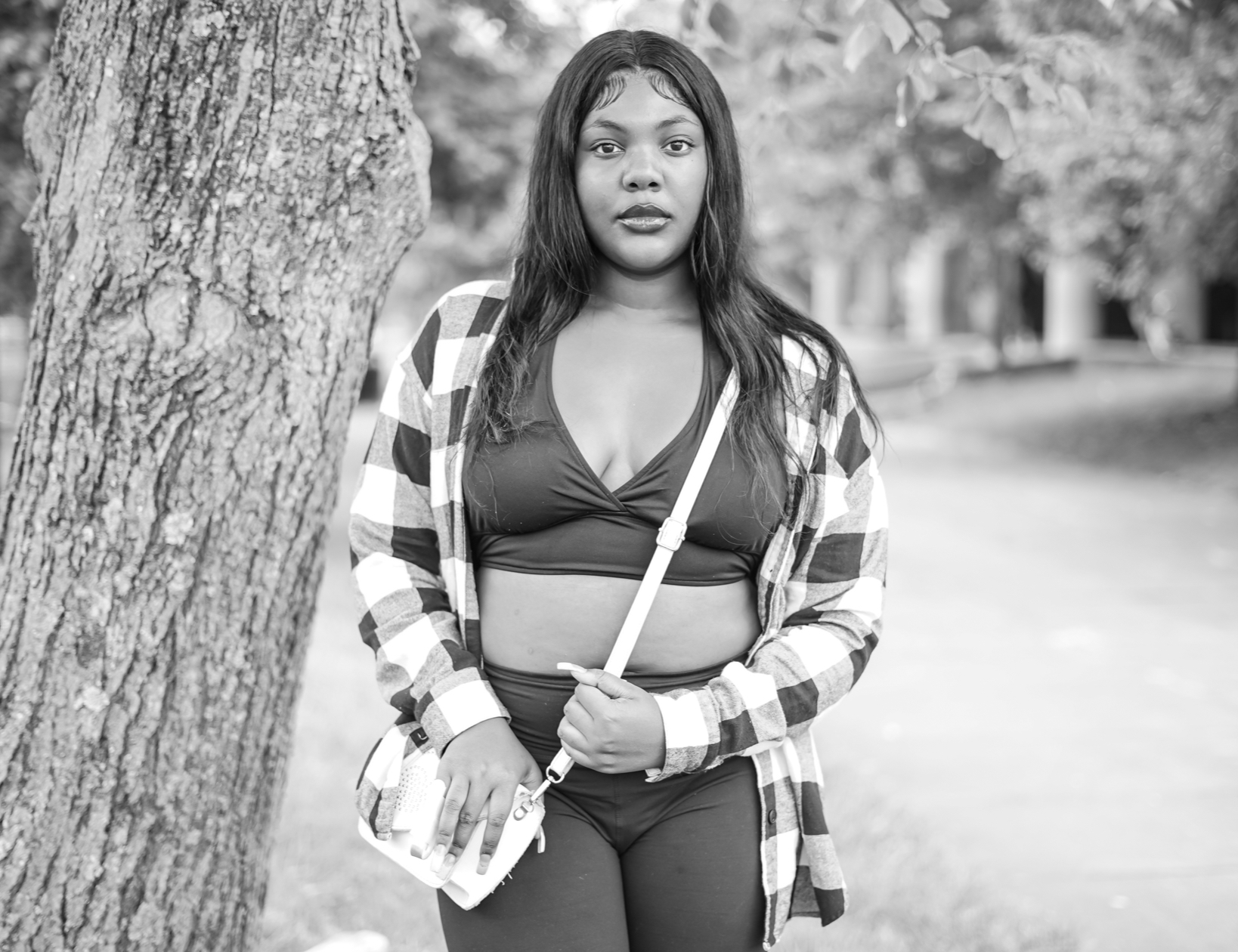
Makiya Gross
They give more respect towards white women and other minorities than they do towards black women in black communities…we’re not going to get the same treatment as everybody else. They look at us for shame, and at somebody else like ‘Oh, my goodness, that’s so tough. That’s so hard on you.’ We always get the back end of the stick, the ‘Oh, my goodness. You did what?’ Like, we will get shamed, not only as women, but as black women.
We have feelings, we’re not like robots. We have feelings. When it comes to abortion stuff and there’s a lot more people coming over here to get it, we understand, because we would not want nobody else that we care about or love going through no type pain like that, especially young of age, you know?
I don’t like that there is more people coming over here, but I do like that they have more support over here than they do anywhere else. I just feel like if you need your support over here, get your support over here.
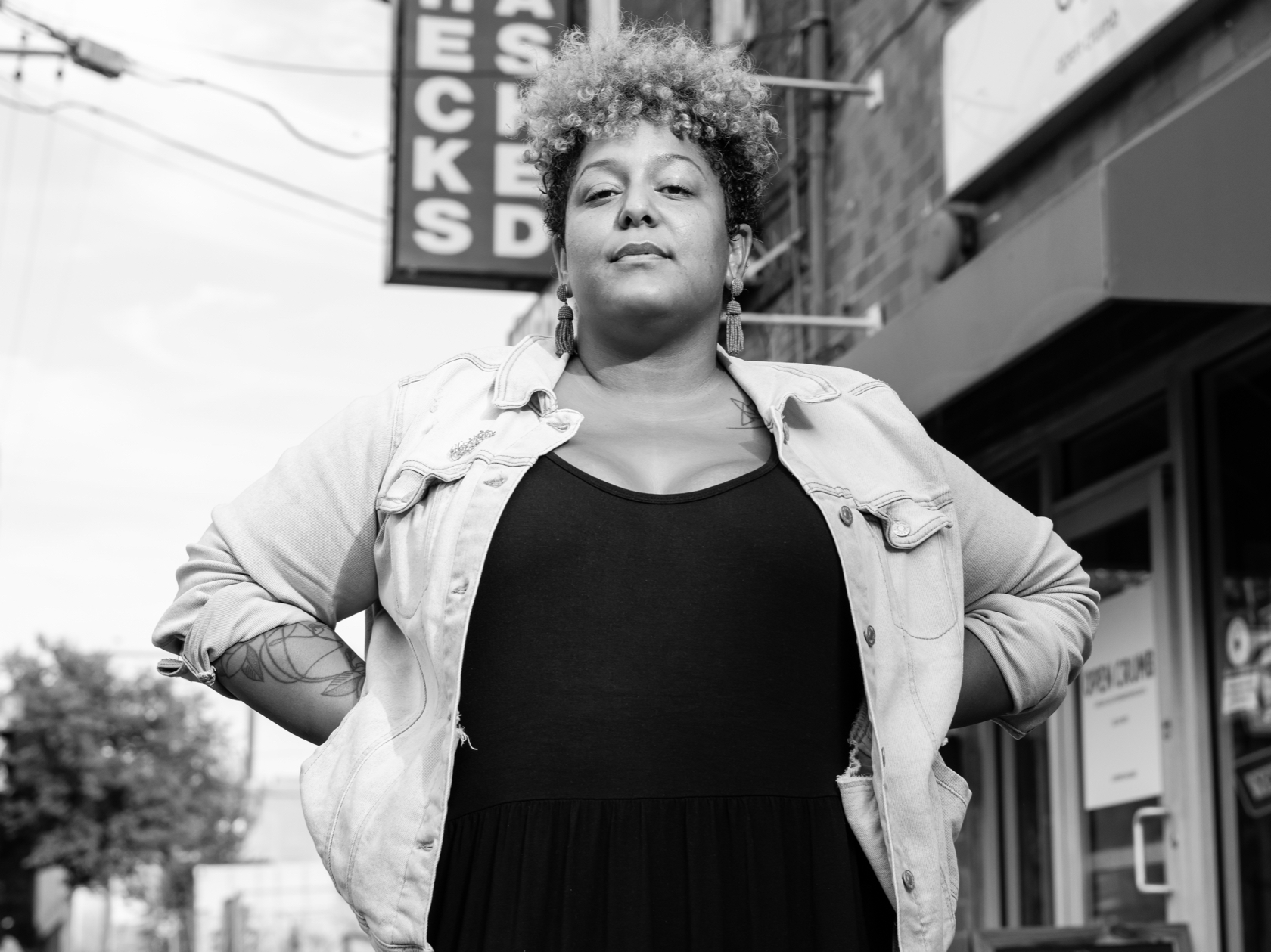
Dionne McDonald
I think a community that is already underserved and vastly unsupported will continue to suffer greatly when it comes to accessing the resources needed in order to stay safe. Our communities always get the leftovers or are the last to be considered for quality care and information. Wait times, appointment times in a system that is already slow moving when it comes to caring for our people will only become exacerbated by the influx of people who come here from banned states. It’s the lack of understanding complex familial situations and other underlying health concerns that make this even more dangerous for our people.
I’m still processing the fact that we even have to have this conversation. No one and no state should have control of our bodies. When it comes to policy, I think it starts with accessing the table at which these policies are being decided. You can’t know what needs should be addressed if you aren’t speaking directly to the source. Black women, Black families need to be heard. There is data, and then there are the people behind that data. I think there is great power in the duality of both together. I’ve been to the forums, and it feels done for show, I want the real deal to have their voices heard.
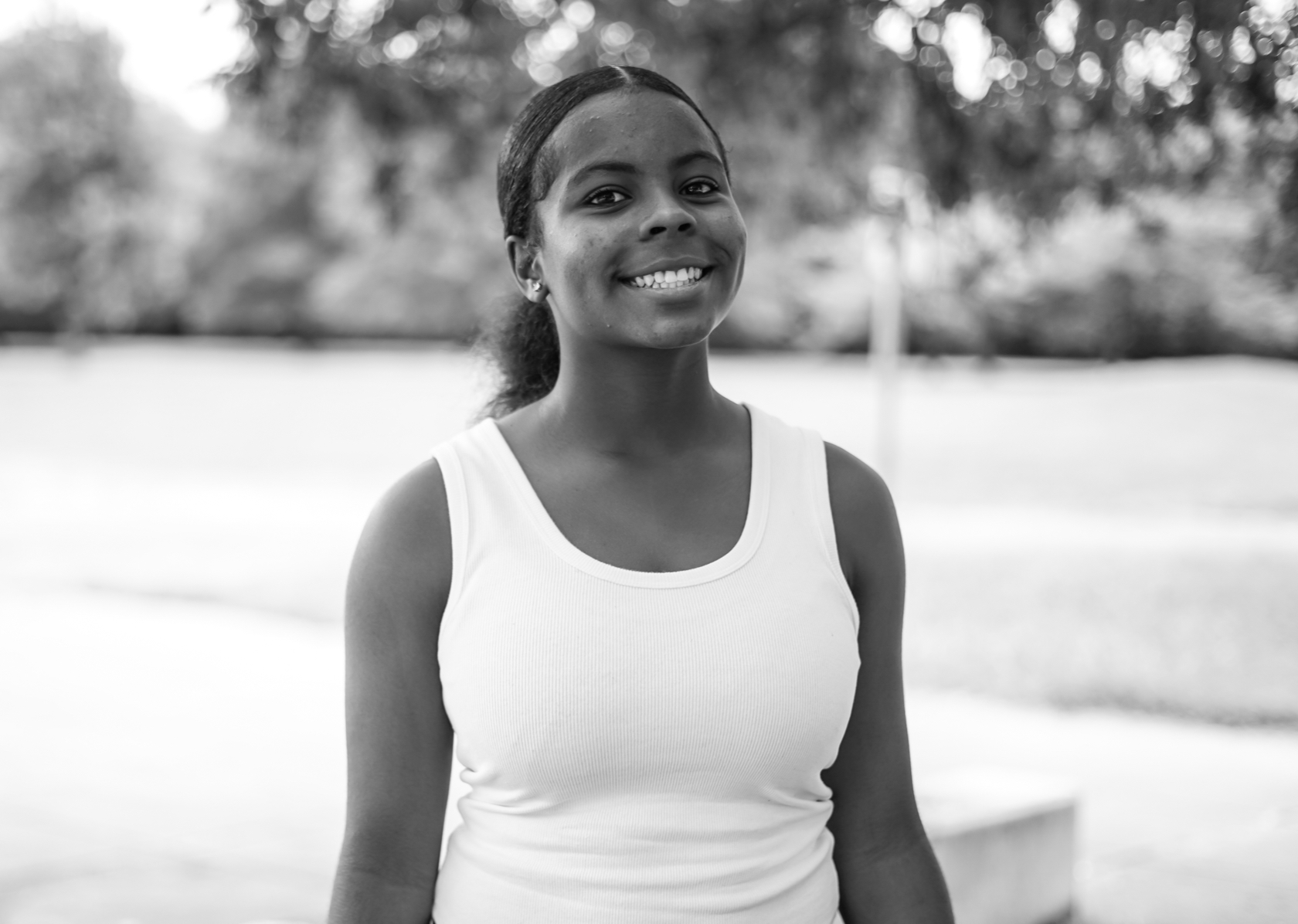
Trinidy Stinnie
With people coming over and using our resources with abortion it’ll make less resources for the people that already live here, which will cause the living situations to be even worse, because if the resources are taken, then that will force people, especially in black and brown communities, to have to have those babies or even give them up. And most likely they’re getting an abortion because they already don’t have enough resources in their home to take care of the child.
With the Wards – they’re already overpacked, if you have people coming in using those resources, then there’s not enough because there’s already not enough for the people that’s already here. So, if we have more people coming in, it’s just not going to be enough. And they are already getting the first hand of the resources before the people that live here already, or has been here, which is the natives.
And I also feel like it’ll affect a lot of people’s mental health. That could also cause the rates to go up, the mortality rates, of the black and brown communities which is leading the youth to stealing cars and stuff like that… because they’re already not getting the resources they need at home. So they’re just going out and doing whatever they please in the communities. Most of the time their parents are struggling with addiction or mental health issues themselves. They don’t have the resources there to help them get themselves together so they can get their children together.
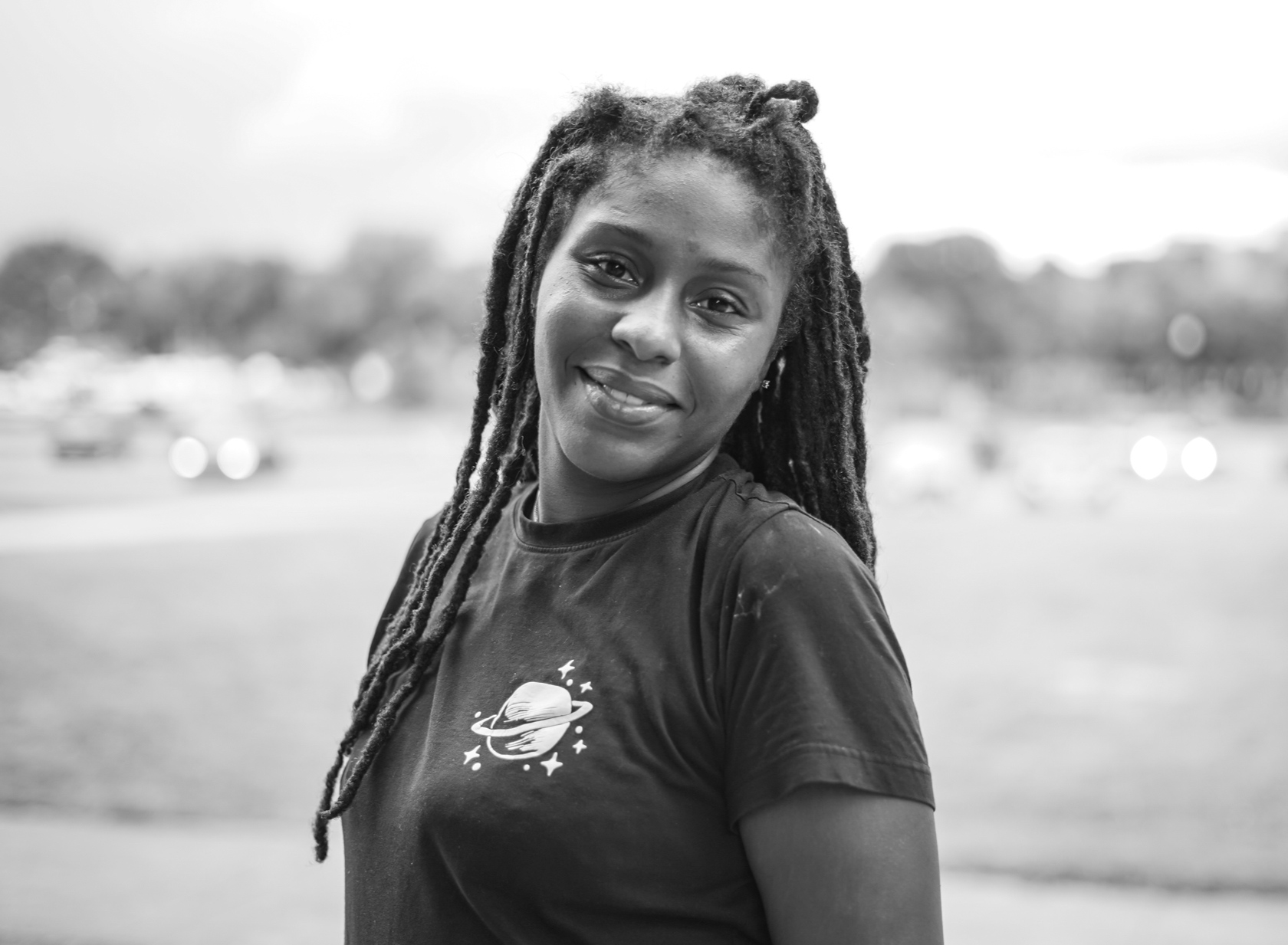
Antonette Wise
I’m not really with the way that they are banning abortion everywhere. Some women do need help. And I do not, again, like the fact that they’re banning stuff. We’re the only people that do provide the type of resources to help women that actually need it. Okay. For women that actually know ‘I can’t deal with a baby right now.’ or ‘I wasn’t ready for this baby.’ Now I’m not against all of that. You are a woman, your choice is yours.
I just I don’t like the fact that we’re already struggling – and people get to come from where they are, we’re the minority.
They’re coming over here, they’re taking everything – and then when we need stuff, the people who [live here] actually need things – there’s nothing left. Because they gave it to other people that looked or felt more worthy than the people that are struggling. We have so many people struggling.
They’re trying to ban abortions, but Hispanic people and Black people and all other minorities, we produce more children like literally per year, per day. We are producing more kids. They want us to have the babies but not support what we need for them. You’re not allowing somebody that knows that they’re not ready to say, ‘No, I don’t want it.’
And if she’s not from D.C., and then it’s like now she’s got to run here to try to take something from somebody that might have been raped and needs it, this abortion. And now it’s like, ‘Oh nah, we already helped this person and we can’t help you now because our resources are tapped out.’
And honestly, right now, at this moment, what we need is unity. It’s going to take a process and we’re working on it as women right now. I guess we’re just supposed to take life as it comes, unfortunately.
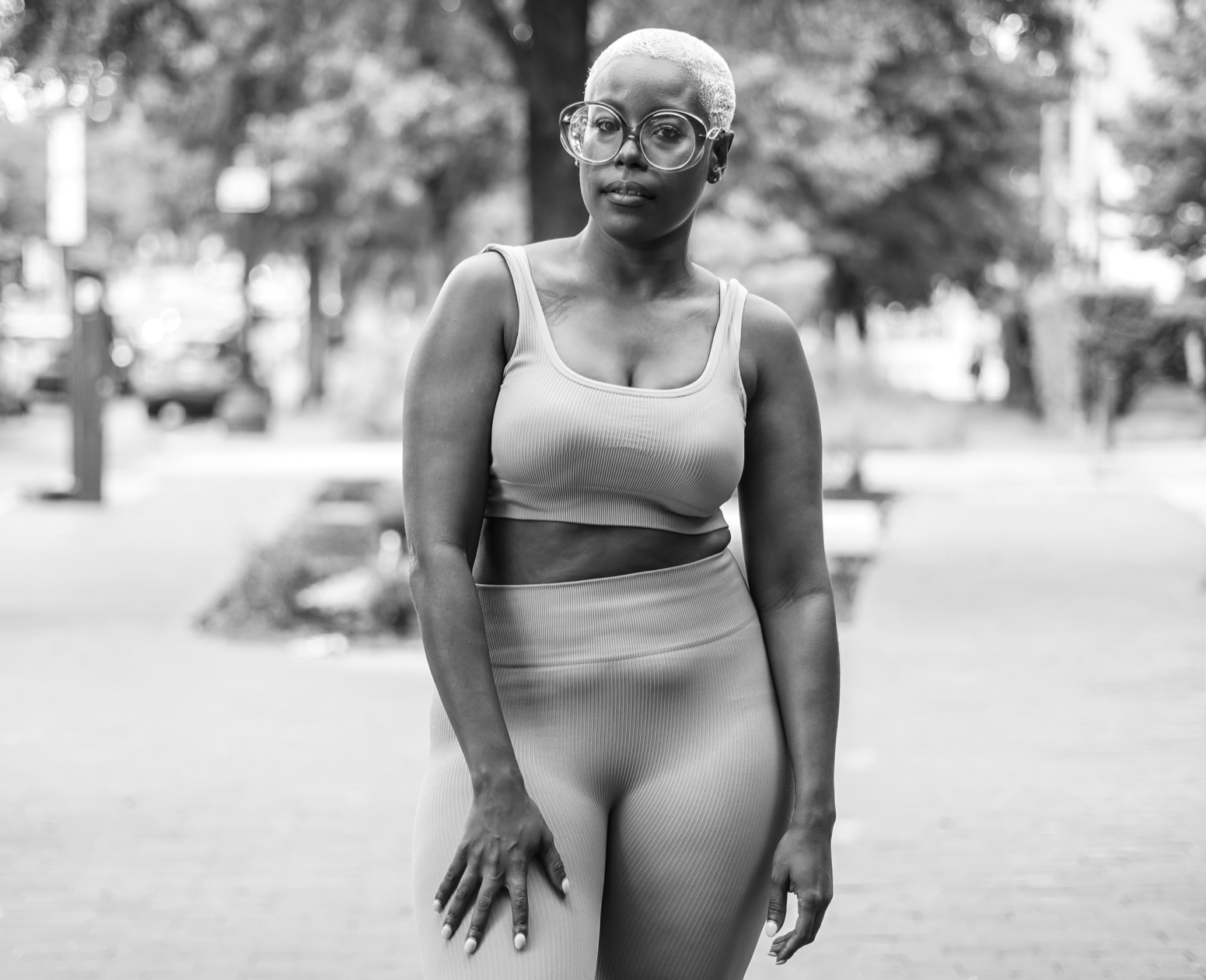
Leah Johnson
I believe that a woman should have the right to choose what they do, or what we do, with our bodies. And so giving the government the power seems to be diminishing women as a whole in terms of what we can and can’t do. So I believe we’re going back in times, but, you know, history always repeats itself.
Money plays a part in terms of having access to resources and things like that specifically in Wards 7 and 8 where there is literally nothing happening over there but real estate. That already tells you what the government’s priority is over there – to build up, instead of building its people up. So when we have people coming here, like in terms of immigration, now we have to help others instead of helping ourselves. Those resources will be allocated to others per usual, then we as the community have to figure out how can we help each other or get access to these resources.
The advocation is what we need. And we’re dying at a faster rate than any other race because they stigmatize us and they’re saying, ‘Oh, you know, black women, we’re strong, we can handle pain, don’t medicate her or she’s complaining.’ when actually, no, every race we’re human,like we hurt the same, bleed the same. And it’s just no one advocating for us.
When we do advocate, it’s like either we’re being too much of something or we’re too loud. And now we’re in a phase or we’re in an environment where I feel like they’re trying to humble the black woman’s experience or humble us into being quiet. It’s not that we’ve [just] found our voice, it’s just that you all weren’t listening. It’s like, ‘Oh, my God, now we got to keep her quiet.’ We’re battling against that, our own issues within ourselves and everything else. Advocation plays a huge part and so does community.
I’ve had an abortion or multiple abortions in terms of when I was young and dumb. Also I was raped. So if it wasn’t legalized in D.C. at that time, I would probably would have had an unwanted pregnancy. I had a mom who was there and I had some knowledge about where to go and things like that. But everyone doesn’t have that, again, community is the world.
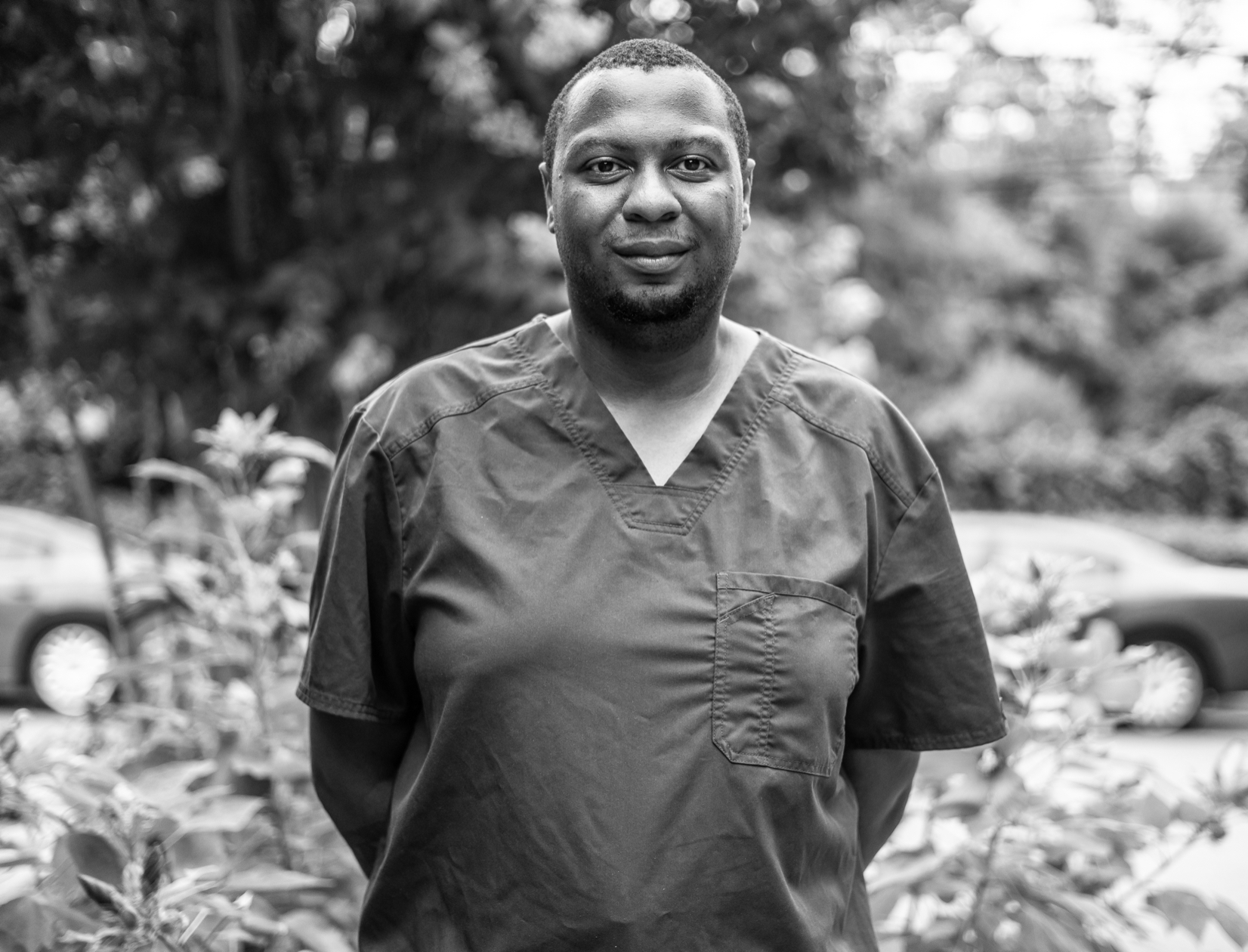
Joe Little
I’m a Ward 7 resident. I’ve been there about 12-13 years now.
The overturning Roe v Wade is is a horrible, horrendous tragedy. We no longer can go to that promissory note that was given to us that says we have freedoms in our lives, freedom of choice of being one of them. And so whenever you take away a person’s ability to choose, we think that it is considered enslavement.
And so we talk about Ward 7 and Ward 8 , mostly black people, black female people who are capable of having pregnancies – they’re being more at risk. One, this country has a higher maternal rate, death rate, among black women. We understand that we’re a higher risk for a lot of things in this country. High blood pressure, diabetes, all of these contributing factors to the leading cause of death among us. But one of those high rates are maternal rates, maternal death rates. And so we think about this when black people aren’t able, 40% of African-Americans in the country, to get an abortion.
And so for me, when I believe that we’re talking about death with this overturning, there’s going to be an increase in that maternal [death] rate. Who is that going to impact? African-Americans.
I don’t like for messages to be whitewashed. And I think we get lost and whitewashed messaging that we’ve failed to look at the aspect that our voices are powerful. We shouldn’t have to wait for white people to stand up for us. We should start standing up for ourselves.
You know, they’ve already stripped away the needle exchange program. People were dying. That needle exchange program was helping people. So just think about if Republicans come in and they take away that ability for our families to make that ultimate decision. THEY have to literally make that decision. And so it’s a decision that should be left base up to the person, their husband, spouse, whoever, and their doctor. The federal government should not have a say in anybody’s personal life, and someone else’s religion should not dictate something that is personal.