 Jordan Pascale
 Callan Tansill-Suddath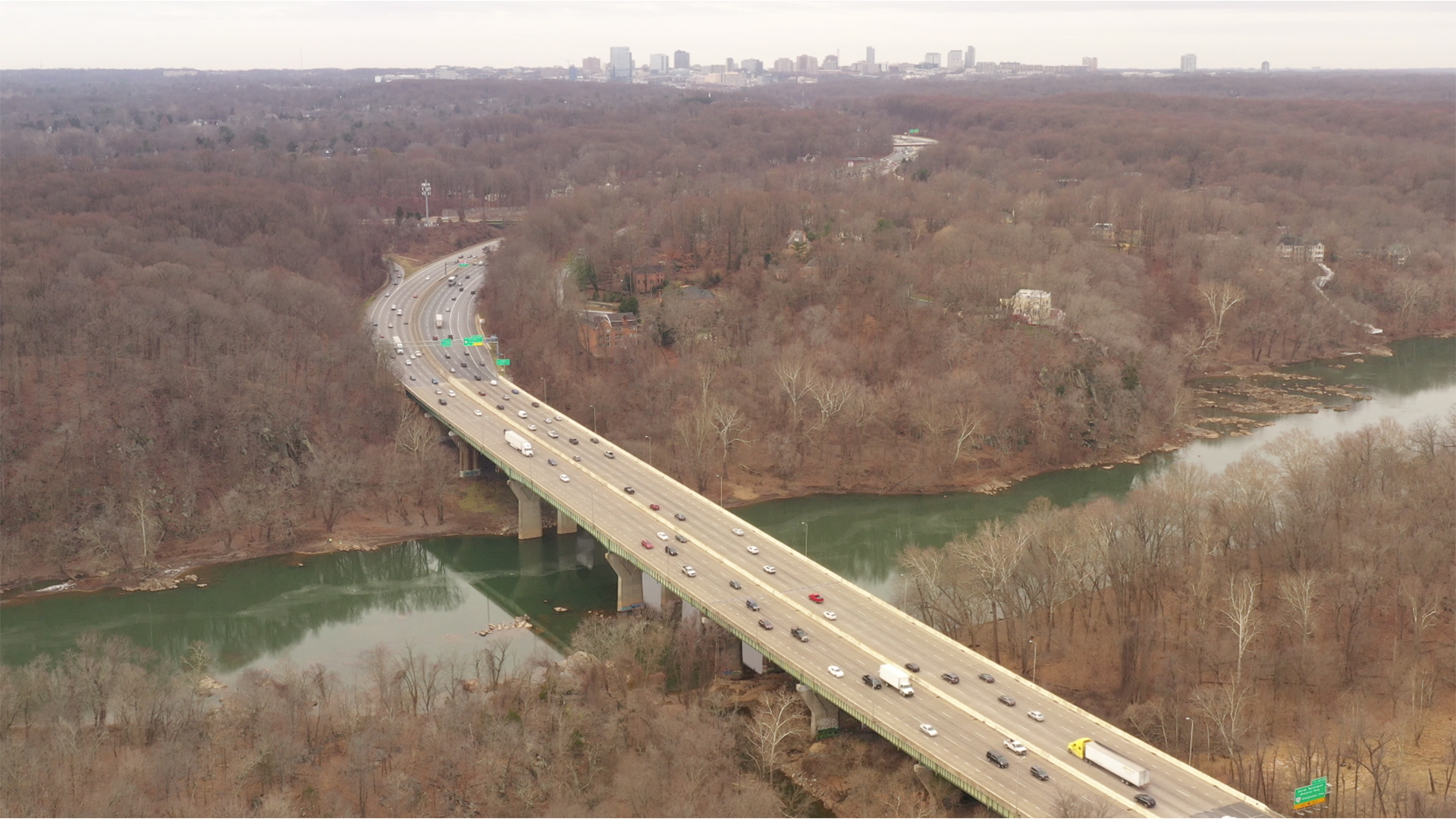
Update Nov. 21: Governor-elect Wes Moore has issued a statement applauding the decision to delay the potential approval of the Maryland toll lane project. In a Tweet, Moore called the potential upgrades “essential to our economic growth, quality of life, and environment,” but said they “must be done thoughtfully and equitably.”
Moore said he looks forward to working with the new state leadership and Montgomery County Executive Marc Elrich to determine the best course of action.
Original: The fate of Maryland’s long-planned toll lane project on parts of the Beltway and I-270 is up in the air.
A delay in the project will push a key vote past Gov. Larry Hogan’s (R) term in office. He was the project’s biggest proponent, aiming to fix congestion that ruined some Marylanders’ days. Hogan had also hoped to get a feather in his cap for a potential presidential run in 2024.
Two of the three seats on the Board of Public Works, which will vote on the project, now will be held by new members.
Incoming Gov. Wes Moore (D) and Comptroller-Elect Brooke Lierman (D) will replace Hogan and Comptroller Peter Franchot (D). The project had previously passed the board 2-1 with both votes “yes” coming from the departing members. The treasurer seat also turned over in the last year with Dereck Davis (D) replacing Nancy Kopp (D).
Moore has said he wants to see major changes to the project before signing off on it. In August on WAMU’s The Politics Hour, Moore said he’d like to see a project that focused more on reversible lanes and more transit. He also said he would like to see more cooperation with local governments, which have gone back and forth on the project. Lierman has also expressed skepticism of the plan.
In a statement to the Washington Post, Moore spokesman Carter Elliott IV said the Governor-elect will pursue “a new type of proposal, one that works greatly with local stakeholders.”
The Maryland Department of Transportation said Thursday that it extended the deadline for its contractor Accelerate Maryland Partners to submit a plan for toll lanes to March 21, 2023. The plan will include the final design, construction, financing, operations, and maintenance.
The deadline was extended because of a 10-month delay in the federal approval process for the project earlier this year.
In a statement, Hogan insisted the project, under development since 2017, should move forward.
“No project is more critical for improving the quality of life and stimulating the economic growth of the region,” he said. “We cannot afford to miss this once-in-a-generation opportunity to fix the American Legion Bridge and address the soul-crushing traffic on the Capital Beltway once and for all.”
The $5 billion public-private partnership project would replace and expand the American Legion Bridge, as well as 15 miles of two lanes of high occupancy tolls from the Maryland state line up to near Gaithersburg. Pedestrian and bike access is also planned for the new American Legion Bridge.
High occupancy toll (HOT) lanes would be free for buses and vehicles with more than three passengers. Others would pay a variable toll depending on congestion in the regular lanes. If drivers choose to use the high occupancy toll lanes, costs could range from 17 cents a mile up to $3.76 a mile, according to the Federal Highway Administration document.
Originally, the project was supposed to be paid for through the private contractor and tolls, but recently MDOT applied for a federal grant through the Infrastructure Investment and Jobs Act to help pay for replacing the American Legion Bridge.