Héctor Alejandro Arzate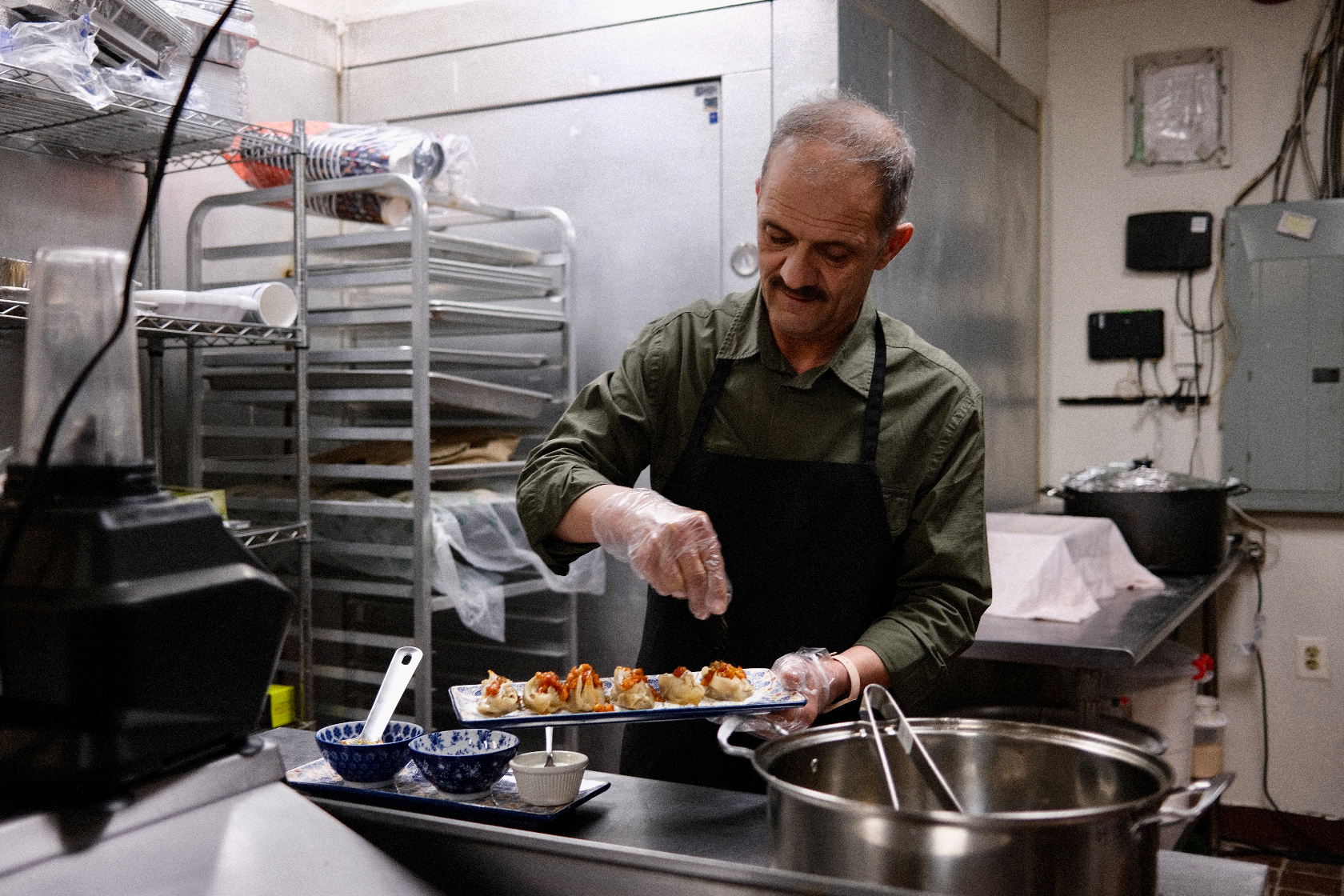
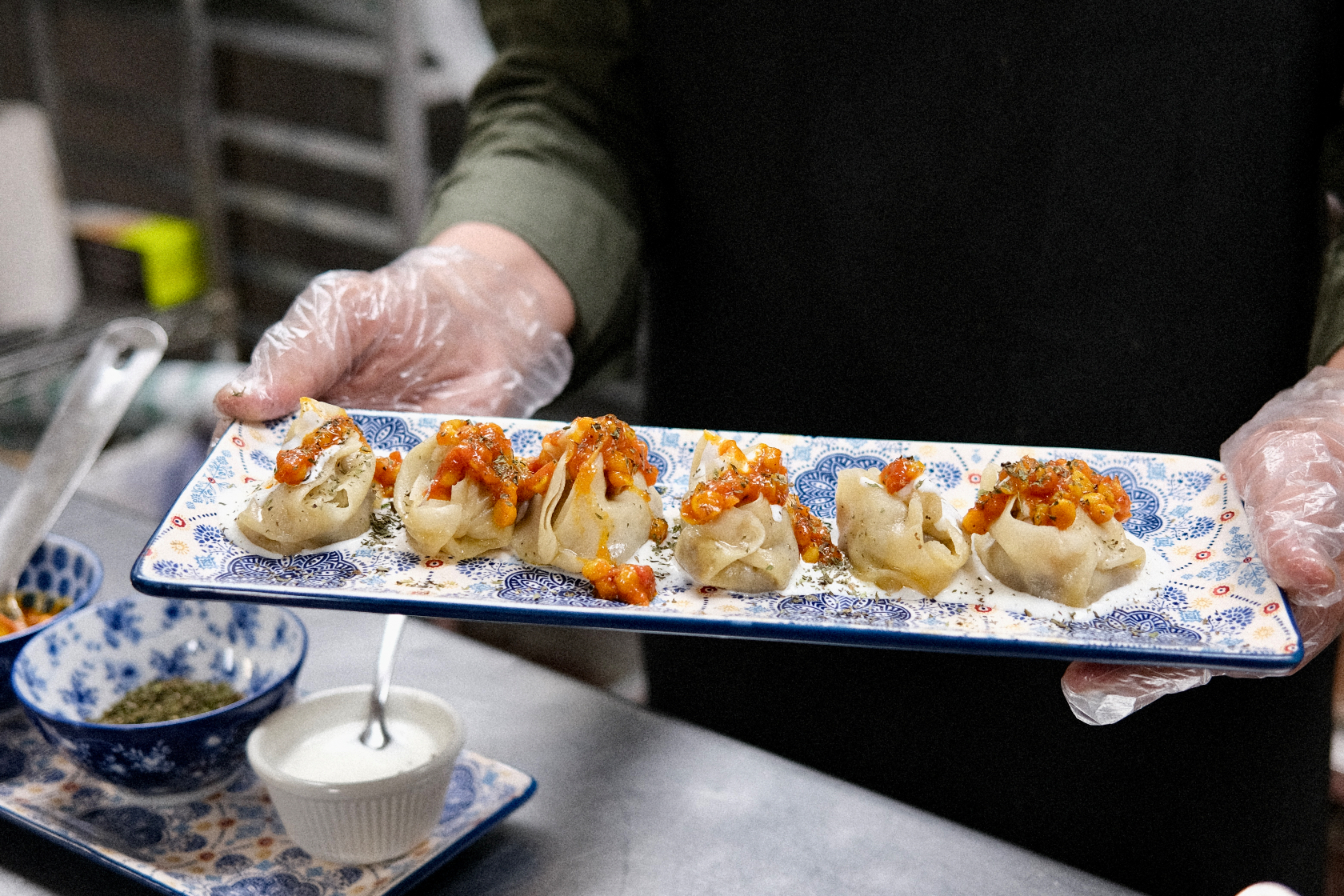
Khalis Noori knows that making mantu – traditional Afghan dumplings stuffed with beef and topped with yogurt, split peas, and dried mint – is a labor of love. So much so, that he and his wife never really made them at home. Back in Kabul, he says, they’re more of a dish that you could buy easily on almost every street corner.
“We didn’t have the time and we didn’t have that sort of energy to go into the kitchen and spend like four good hours and prepare food,” says Noori. “But we missed it. We missed it so much, the Afghan food.”
That yearning is why Noori and his family decided to start a new restaurant called My Kabul in Laurel, Md. The name is a tribute to the home they lost when they were forced to flee during the Taliban takeover in 2021. Since then, thousands of Afghans, including Noori, have resettled across the D.C. region.
“There was a need for a place for the community to get together, for refugees to get together. And I couldn’t think of anywhere better than an environment like this,” says Noori.
Long before opening My Kabul, Noori was helping others with professional development courses in Afghanistan. Prior to that, he had studied the effects of post-traumatic stress disorder on the citizens of developing countries while earning his master’s degree in the United Kingdom. So when Noori arrived in the United States, he was quickly hired by the Lutheran Immigration and Refugee Service – one of the largest resettlement agencies – at their regional office in northern Virginia.
Despite burning his educational degrees and all evidence of working with foreigners only months prior, Noori shot up the ranks of the LIRS. Those years of experience had made him a resource to countless Afghans resettling in the region – many of them struggling with job security and housing. While he did enjoy working with clients and case managers, Noori says the restaurant is his way of moving on while still helping and hopefully, inspiring people.
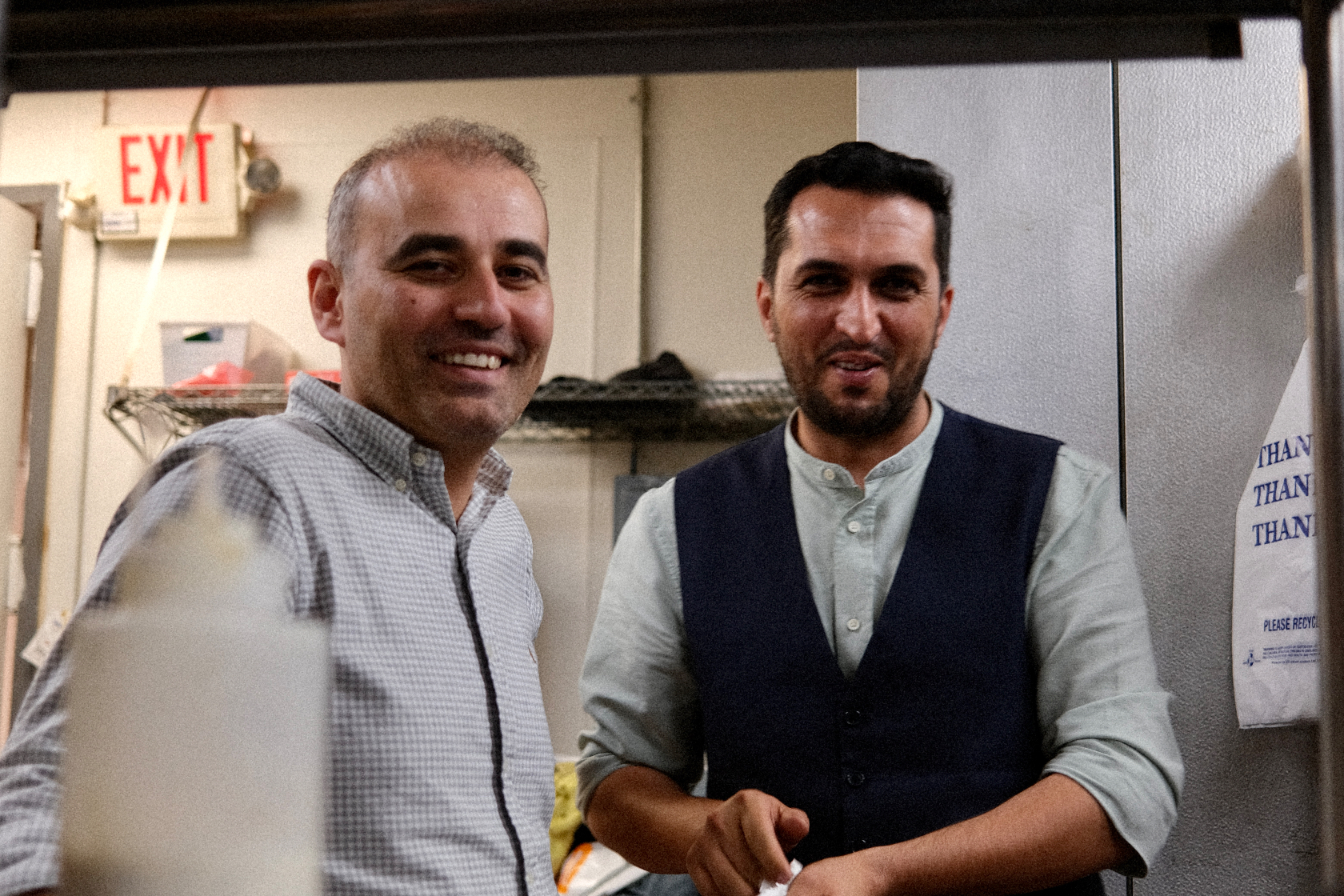
“I really feel proud of what I did and what we did as a team and what LIRS did to the communities all over the United States,” says Noori. “This is what I want everybody to have – a next step. We don’t want to be stuck where we were.”
Although the subject of mental health can sometimes be a taboo in Afghan and most cultures, Noori says the trauma of fleeing violence can in fact lead to anxiety, depression, and even self-harm. When you compound that with the challenges that can come with moving to a new country, it can be even harder for recent arrivals. To that end, Noori wants the restaurant to be more than just a place where people can get a taste of home.
“There are many refugees in the area who are living in isolation very far from their loved ones,” says Noori. “We built this place for people to come together, for refugees to come together and to heal.”
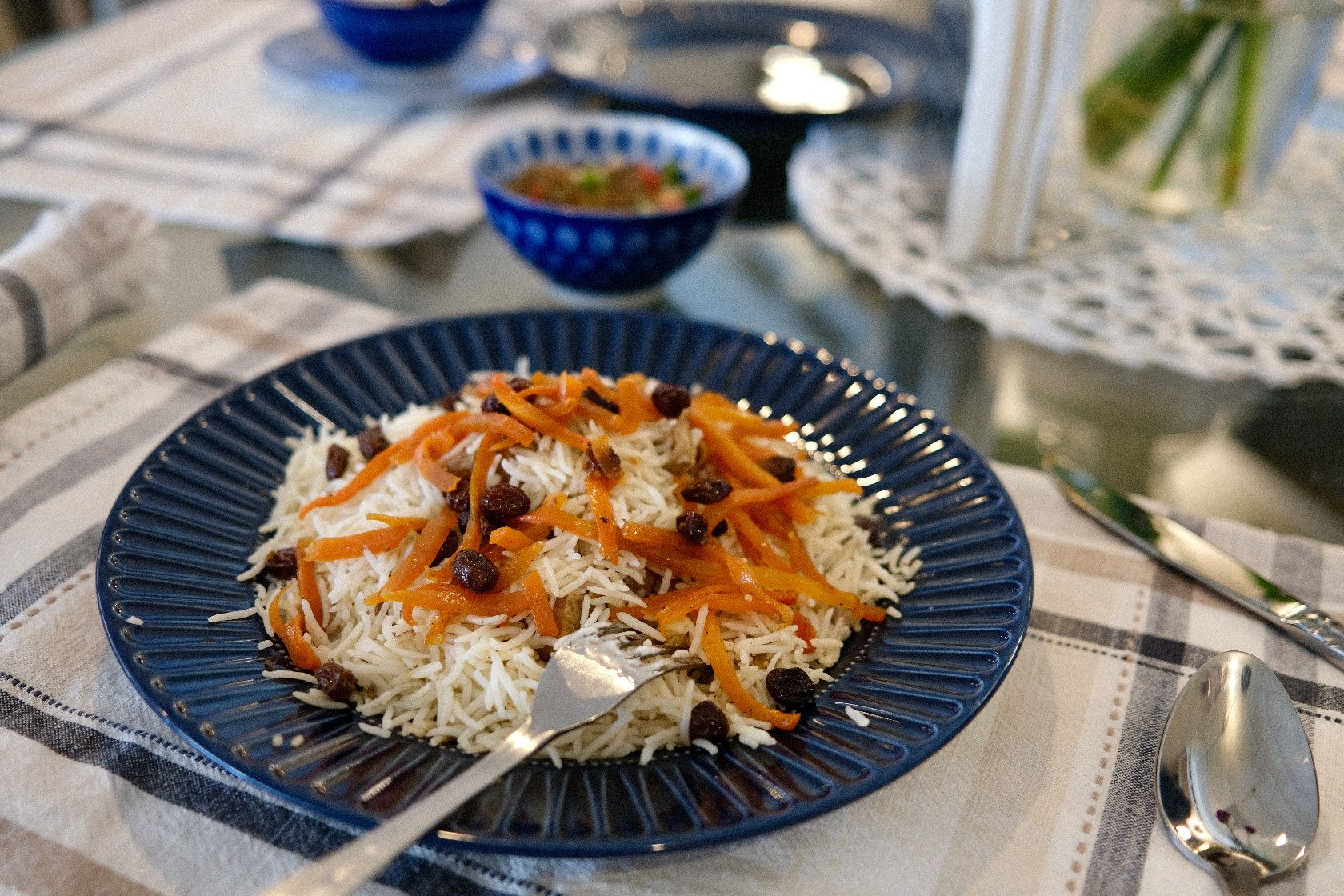
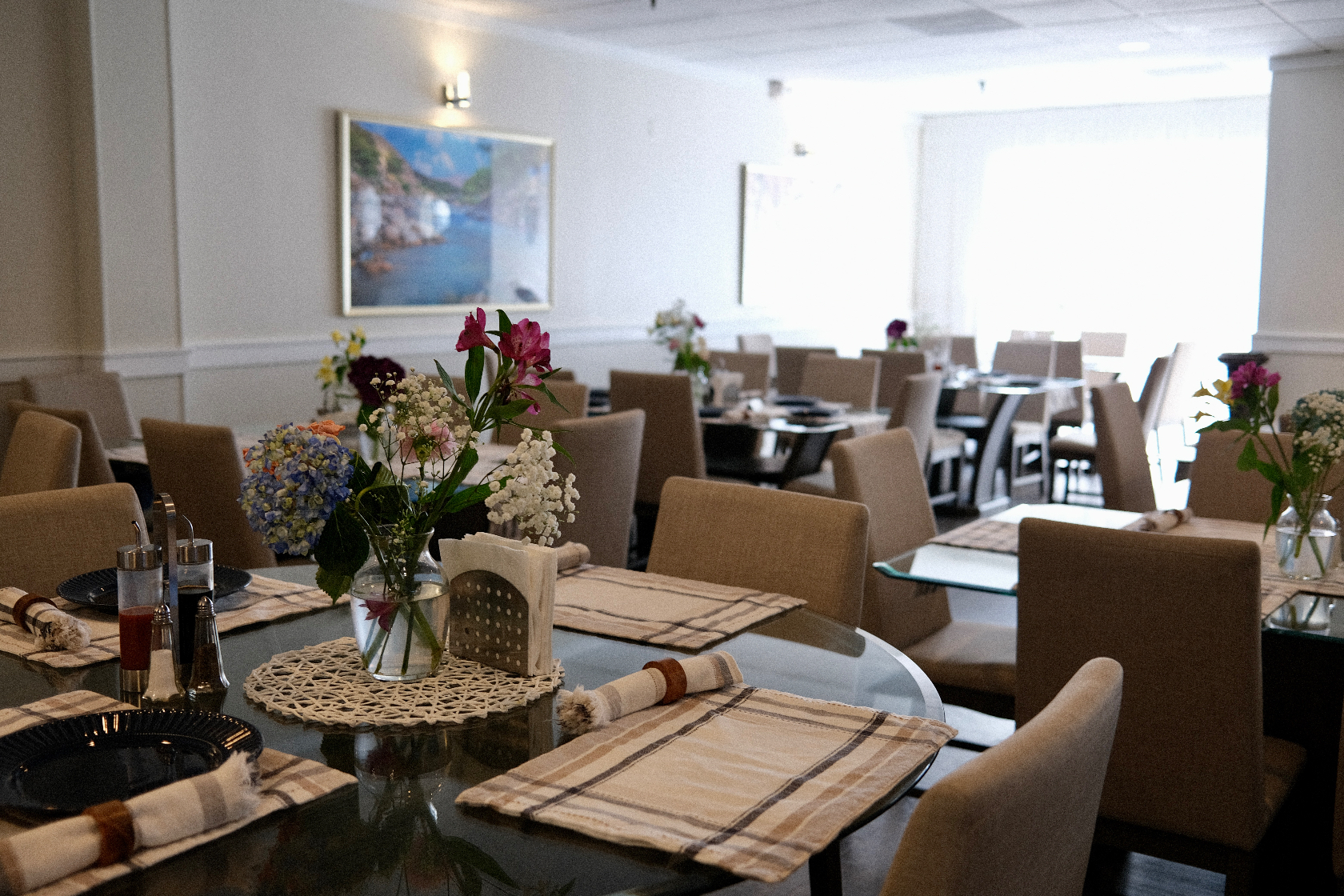
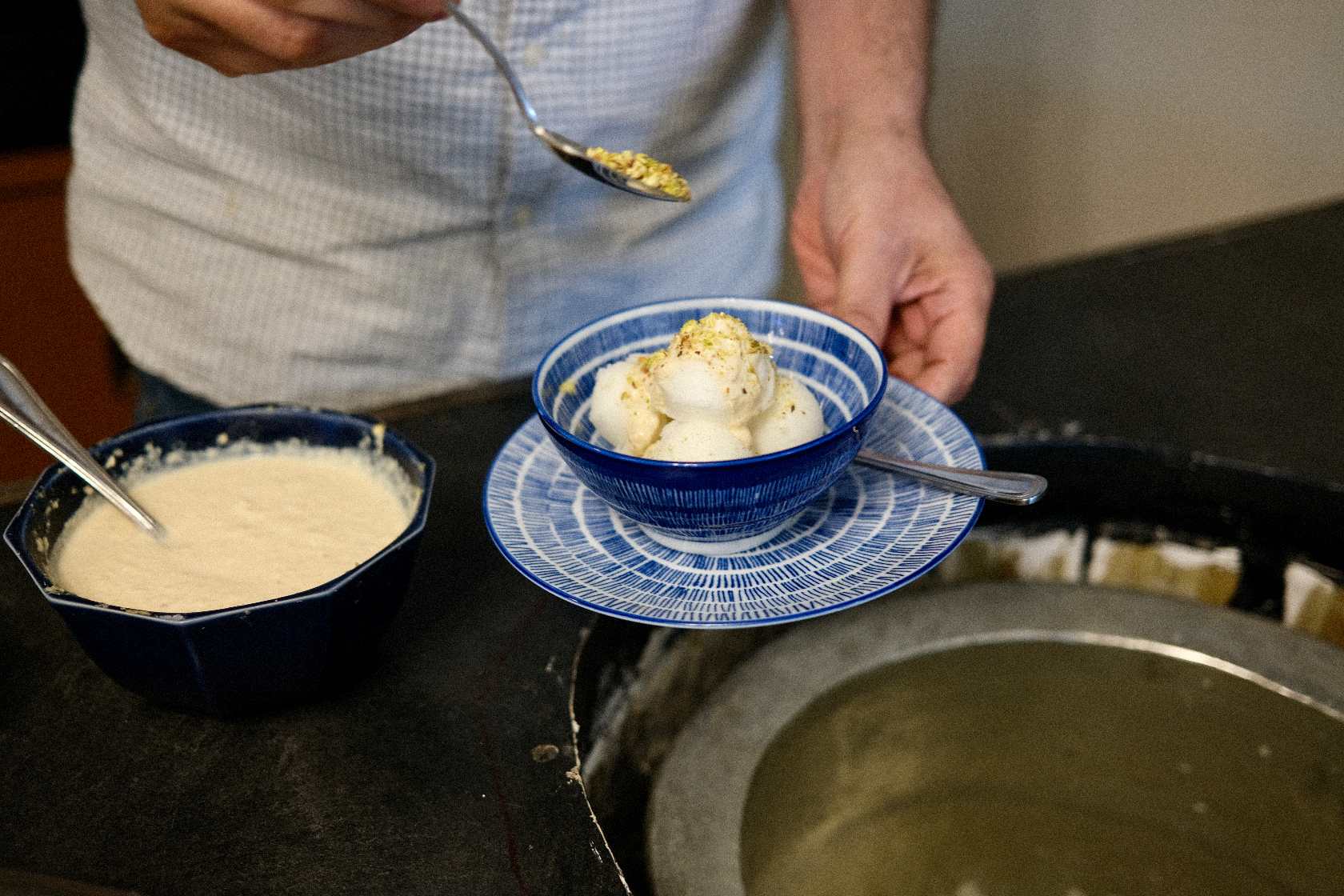
My Kabul is large enough to seat dozens of guests and host larger events aside from regular meal services. The interior dining room, which Noori says he and his family mostly constructed themselves, features a small stage where patrons can enjoy live music and karaoke every weekend. The dining room even has an ice-cold vessel built into the countertop for sheer yakh, traditional Afghan ice cream that can be topped with pistachios.
And it’s not just Afghans who Noori wants to support. He says the restaurant is offering up to 50% off purchases to refugees from all nations, as long as they arrived in the U.S. within the last 2 years. “They get that discount no matter whether they’re from Venezuela or Sudan or Afghanistan,” says Noori.
While it may seem a bit unconventional for a business, Noori says it’s a crucial part of their mission. As such, they’re also asking people to support the restaurant – which also employs refugees – with donations.
“It’s not easy to enter into a restaurant business but we’re trying our best to make it a success,” says Noori’s cousin, Ayam Uddin, who is also the manager of My Kabul.
Helal Massoumi, a former colleague of Noori, says the new business is admirable and one-of-a-kind in its approach to make people feel welcomed with open arms. Massoumi herself is a recent arrival from Afghanistan who now works as a policy advisor for the LIRS.
“I think it’s very generous of him to do something like this,” says Massoumi. “He’s trying to make this possible for other new arrivals or refugees who have been through a lot and make them feel special. That, ‘yes, you’re worth it.’”
Tom Dernoga, the chair for Prince George’s County Council, was present the day that My Kabul held its grand opening. Dernoga says he really enjoyed the bouranee baudnjan, an eggplant appetizer served with fresh yogurt and naan bread. He also praised Noori and his loved ones for not just sharing their food and culture but also helping others.
“That’s what I would expect from a lot of immigrants who come to this country,” says Dernoga. “They want to move their lives forward. They want to become part of the American fabric and they want to help their community.”
Last year, members of Congress introduced the Afghan Adjustment Act, which could have streamlined the pathway for thousands of Afghans to apply for permanent legal status after one or two years. However, the legislation failed to pass and has since left thousands of Afghans concerned about their future in the U.S. Despite the uncertainty, Noori hopes that his new restaurant can offer hope and inspiration for others to keep moving forward.
“Roll your sleeves and do the things that you want,” says Noori. “This is not going to be like this forever. If you have hardship in your life for a day or a month, or a year, then there is prosperity. There is goodness waiting out there for you.”