Héctor Alejandro Arzate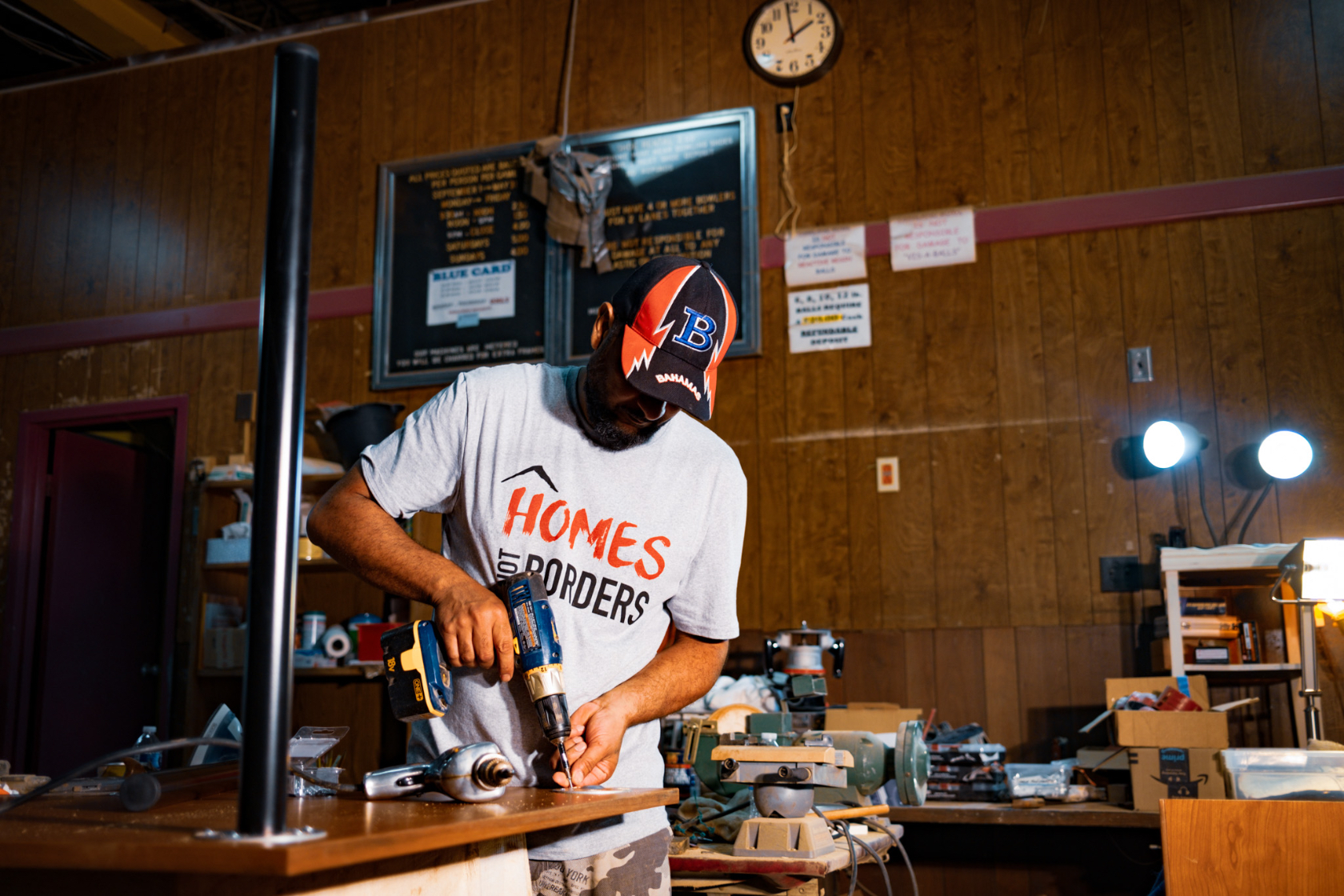
Atheer Abdulla says he’s made a lot of furniture over the past few months. Anything from assembling prefabricated sets, to creating something entirely new using donated wood and materials. He also refinishes old office furniture – donated from places like Bolling Air Force Base or National Geographic – and makes them almost new.
“A lot! Maybe 80,” Abdulla says of the number of pieces he’s worked on. “Coffee tables, dining tables, a dresser.”
Before moving to Maryland and learning to craft furniture, Abdulla says he used to drive a truck for the U.S. military in Iraq. But in 2016, he and his family were forced to flee the country. Like others who worked with the Americans, he says it was too dangerous for them to stay.
“American people, you helped me. Now, I wish to help every people,” says Abdulla.
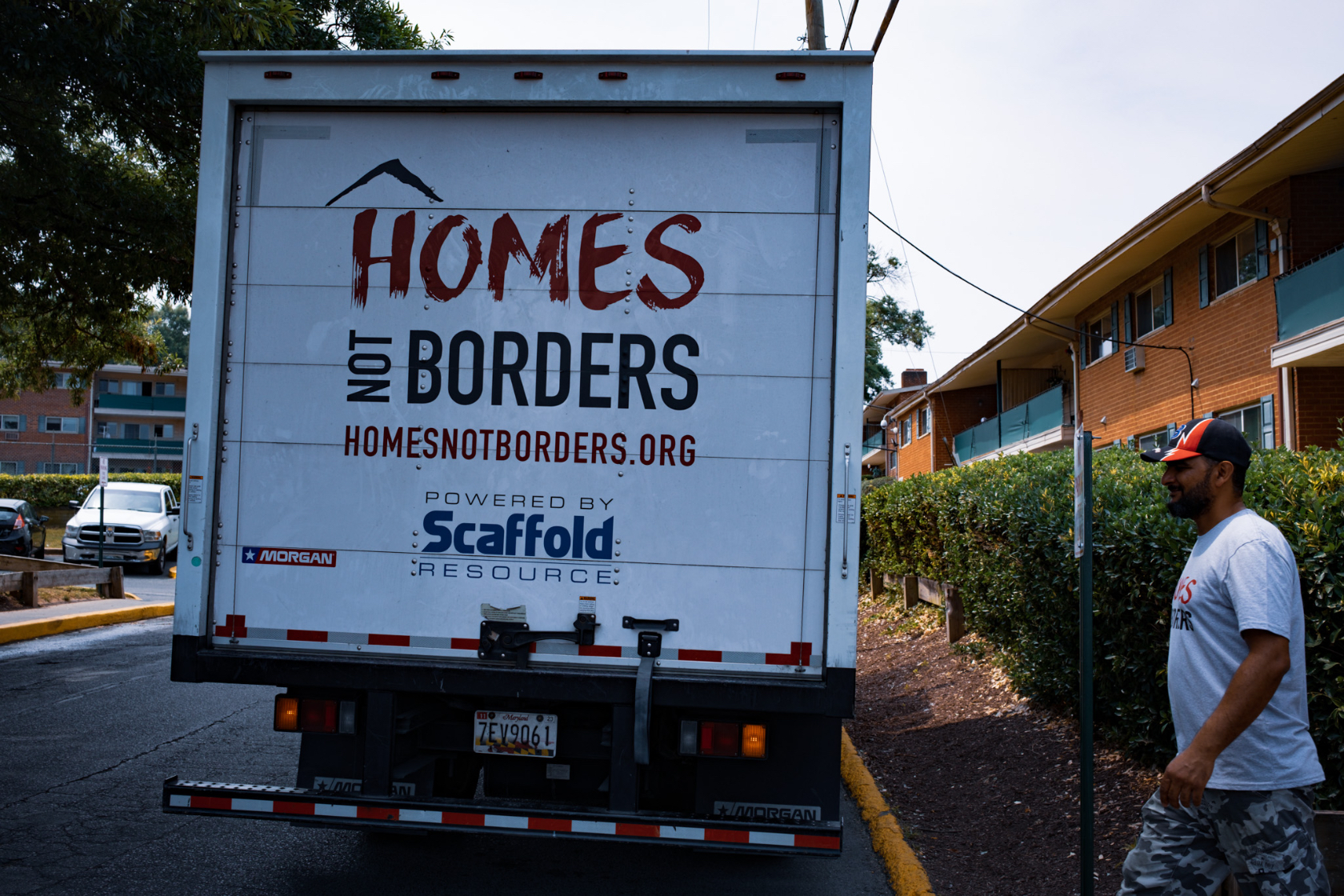
He works for Homes Not Borders, a local nonprofit that furnishes apartments for newly arrived people from countries like Afghanistan, Eritrea, and Nicaragua. The organization reports that it set up homes for 512 families last year and has already helped 216 newly arrived families in 2023. Abdulla, meanwhile, says he’s happy to pay it forward.
“I like this work because I’m helping refugees,” says Abdulla.
The United Nations High Commissioner for Refugees estimates that in 2022 approximately 108.4 million people worldwide were displaced from their homes due to violence, persecution and other serious events. Less than 30,000 people resettled in the U.S. in 2022.
According to Nicholas Grossman, the operations director for Homes Not Borders, the organization also provides families and individuals with hygiene products, along with mattresses and bedding. Those supplies are made possible through donations and are stored in multiple warehouses before being delivered in parts of Maryland and Virginia. (The U.S. doesn’t resettle refugees in D.C. itself due to the high cost of housing.)
“Our main intention of the organization was to always make sure that the families that come here have everything that they need within a home,” says Grossman, “So they can just focus on establishing their roots and integrating themselves into society and learning the language and finding a job.”
For Afghan couples like Elias and Hosna, who just moved to Prince George’s County, that level of support will go a long way to aid their resettlement. Elias agreed to be interviewed by DCist/WAMU under the condition that his family’s faces not be published and that only their first names be used, due to safety concerns for their family members still living in Afghanistan.
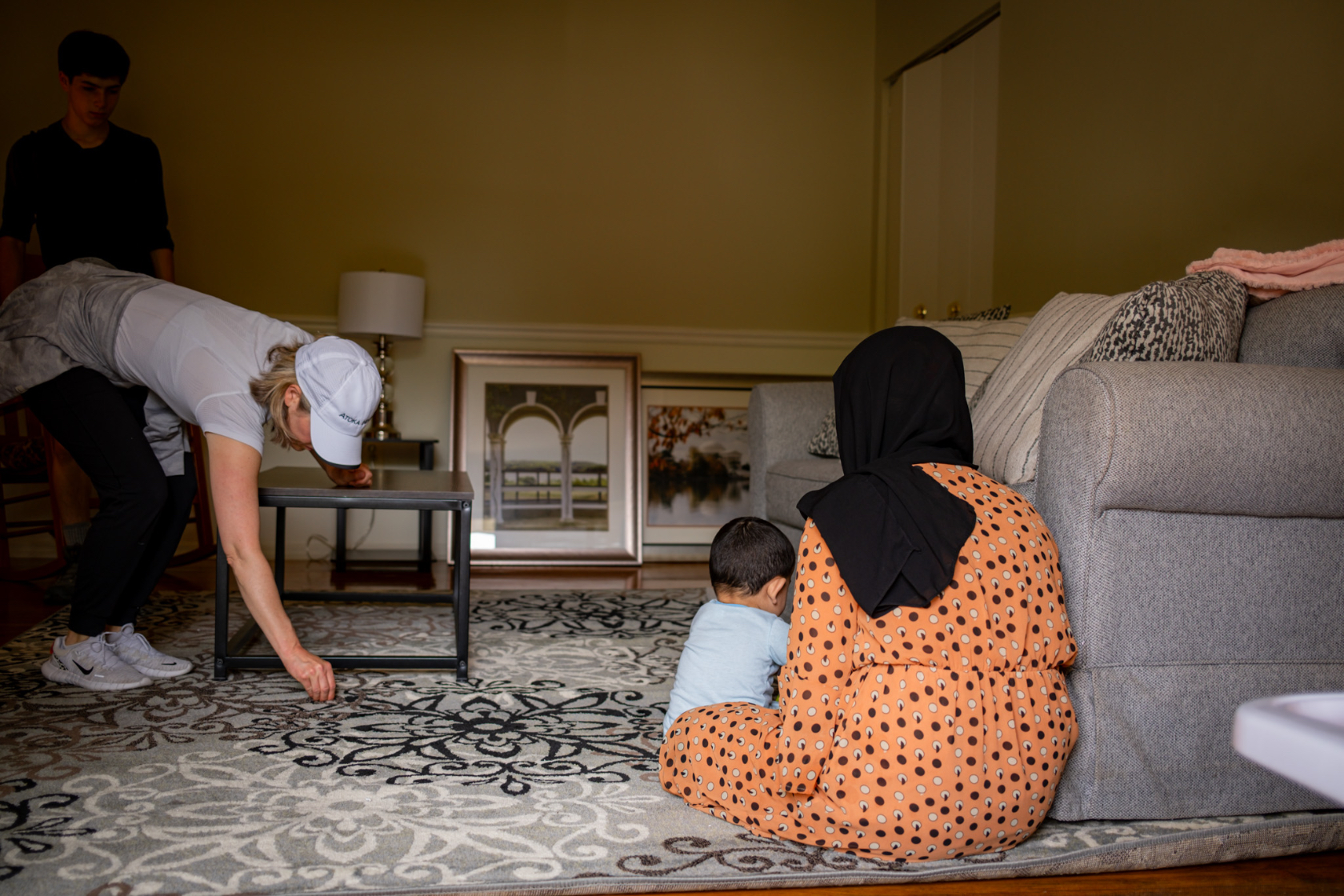
After the Taliban seized control of Afghanistan in 2021, thousands of people were forced to leave the country. Many have since made their way to the D.C. region. – including Elias, who was working for a USAID project back in the country. After applying for a Special Immigrant Visa in 2021, Elias was finally able to make his way to the U.S. less than two weeks ago, from a third country where he and his family had been waiting. Still, he says that many will continue to be in need, both here and abroad.
“They are waiting for their turn to come,” says Elias. “It is very dangerous back there in Afghanistan for the people who helped the U.S.”
In addition to getting resettled in a new apartment, Elias’s family were welcomed with a truck full of furniture – driven by Abdulla himself. He and some volunteers helped the couple move in with tables, decor, and even a crib for their 10-month-old toddler. Now, without the worry of having a roof over their head, Elias says he can focus on their future and starting anew.
“We are in good hands,” says Elias. “Living an American dream life.”