Amanda Michelle Gomez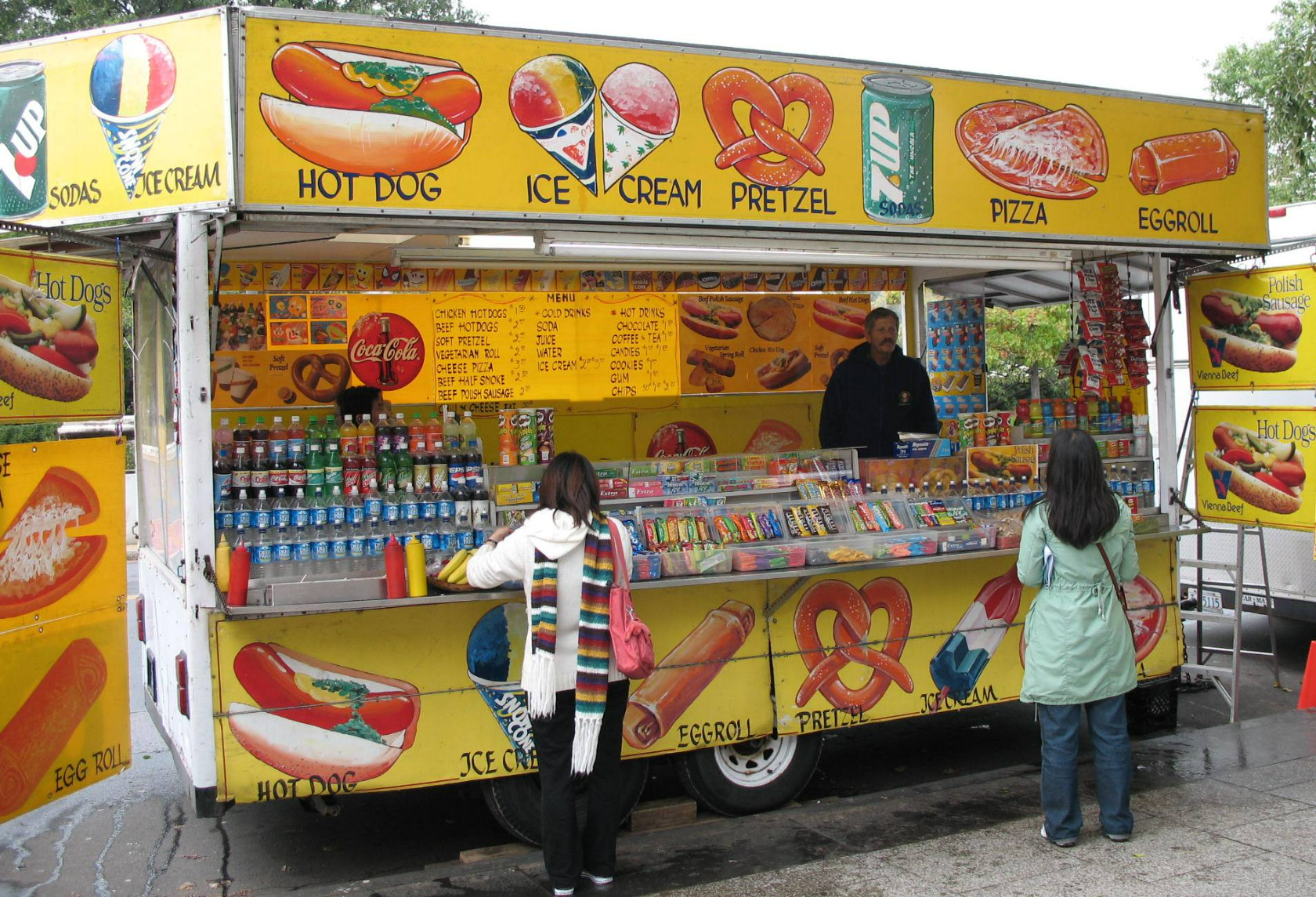
Seven D.C. residents, a majority of whom are street vendors, filed a lawsuit against D.C. over its Clean Hands Law, arguing that disqualifying them from getting an occupational or small business license because they cannot afford to pay their outstanding debt to the city government violates their constitutional protections.
The lawsuit was filed in federal court Tuesday evening is the second legal action against the contentious law in under a year; the plaintiffs in the complaint filed last summer prevailed in court.
“This case challenges a poverty trap the District of Columbia imposes on its most vulnerable and impoverished residents,” the most recent lawsuit reads.
The District, including Department of Licensing and Consumer Protection Interim Director Shirley Kwan-Hui and DC Health Interim Director Sharon Lewis, who approve small business and occupational licenses, are named defendants in the case. Spokespeople for the District offices did not respond to request for comment.
The Clean Hands Law, which first passed in 1996, denies residents specific city goods and services, including licenses, grants, and contracts, if they owe more than $100 in local fees, fines, taxes, or penalties. The law used to apply to driver’s licenses. too – but the council passed legislation last summer changing that. Lawmakers believed their bill would reduce racial inequities because Black and brown residents are disproportionately impacted by debt.
Ariel Levinson-Waldman of the legal group Tzedek DC, one of the attorneys representing the seven residents, also says preventing residents from entering their chosen profession harms working class people of color.
“When we have policies that condition participation in the workforce on the ability to pay, what we’re doing is punishing poverty,” says Levinson-Waldman. “We are absolutely encouraging the council to continue the important work of reforming the Clean Hands Law. But in the meantime, it becomes very important for the court to step in and provide the kind of relief that is only available on this emergency basis through the court process.”
Kahssay Ghebrebrhan is among the seven residents suing the city. He tells DCist/WAMU he’s only ever worked as a street food vendor since emigrating to the nation’s capital from Ethiopia in the early 1990s. He primarily sells hot dogs and soda near D.C. Superior Court, that is until recently because he’s unable to get his vending license renewed due to unpaid debt. Ghebrebrhan says he was able to get a Clean Hands certificate and renew his license every two years between 1991 and 2020 without any problems.
But Ghebrebrhan accrued debt during the height of the pandemic. He says the District continued to charge him $375 quarterly in vending fees, even though he wasn’t working then. Ghebrebrhan’s license also expired during this time and he says he was shocked to learn he owed the District vending fees when he tried renew his vending license in September 2022. Some of the charges were errors, according to Ghebrebrhan, but he estimates he still owes roughly $1,000 to the city.
“I’m not working. How can I pay?” Ghebrebrhan tells DCist/WAMU.
Ghebrebrhan is struggling to support his family, three daughters and sister. He fears losing even more income this summer, which is typically the busiest time of year for street vendors. Ghebrebrhan, 63, doesn’t think he’ll be able to get another job because of his age, so wants to continue to operate his hot dog cart until he retires.
The other street vendors named in the complaint faced hardships similar to Ghebrebrhan, falling into debt over vending fees during the pandemic, according to the complaint. One street vendor, Antonia Diaz de Sanchez, is unable to get her license renewed because of a $3,000 ticket for vending without a license. She’s trying to dispute the ticket because she was issued it when she was test driving a new truck. She says didn’t even have food on board at the time.
Some of them have worked other jobs in the interim — Fasika Mehabe picked up shifts at a hotel serving and cleaning dishes and Hiwet Tesfamichael works part time doing food prep at a hospital — but they say they don’t earn enough to pay back their debt.
The two plaintiffs in the lawsuit who are not street vendors aspire to be a handyman and speech pathologist. But both cannot get the required occupational licenses. Over 125 professions require a Clean Hands certificate, including a nurse’s assistant, a pharmaceutical assistant, and an electrician.
Sarah L. Bessell of the Washington Lawyers’ Committee for Civil Rights and Urban Affairs (another attorney representing plaintiffs) says the D.C. government has other ways of incentivizing residents to pay their debt, such as impacting their ability to access their tax refund. She and Levinson-Waldman say the current system is not an effective way for the city to collect debt. They say their clients want to pay their debt to the city, but cannot without the required licensing to do their chosen professions.
Tens of thousands of people owe the city more than $100 in fines or fees, according to Levinson-Waldman. It’s unclear how many of those individuals are unable to work because of unpaid debt. Attorneys stress the case is an urgent matter, causing tremendous harm to their clients who need to work immediately to make ends’ meet. Last year, Tzedek D.C. represented five residents who argued the Clean Hands Law caused “irreparable harm” by withholding driver’s licenses due to unpaid debt. A federal judge ultimately agreed with them, voiding this provision of the law before the Council bill related to this issue took effect.
Tzedek D.C., along with the seven plaintiffs and other attorneys on the case, hope a federal judge agrees with them again, striking down another provision of the Clean Hands Law and issuing a preliminary injunction soon.
This post has been corrected to say that Kahssay Ghebrebrhan sells food and beverages near D.C. Superior Court, not the U.S. Supreme Court.