Héctor Alejandro Arzate
Tiara Darnell says it wasn’t easy to find Old Bay seasoning in Mexico City. Unsurprisingly, the iconic red spice blend is not as ubiquitous there as it is in Darnell’s birthplace of Mitchellville, Maryland. So when her mother planned to visit a few months ago, Darnell humbly asked her to bring “whatever you can.”
But Darnell’s mother did not arrive with a few of those little yellow tins like she imagined. Instead, she brought “gigantic things” of Old Bay seasoning – the kind you can only get at places like Restaurant Depot. And that’s exactly what Darnell needed to serve up Old Bay seasoned-french fries and other family staples in what might be the only soul food restaurant in Mexico City, Blaxicocina.
“I’ve never owned a restaurant before, so this is all very new,” says Darnell. “Old Bay has to come and play a part in this dream as well.”
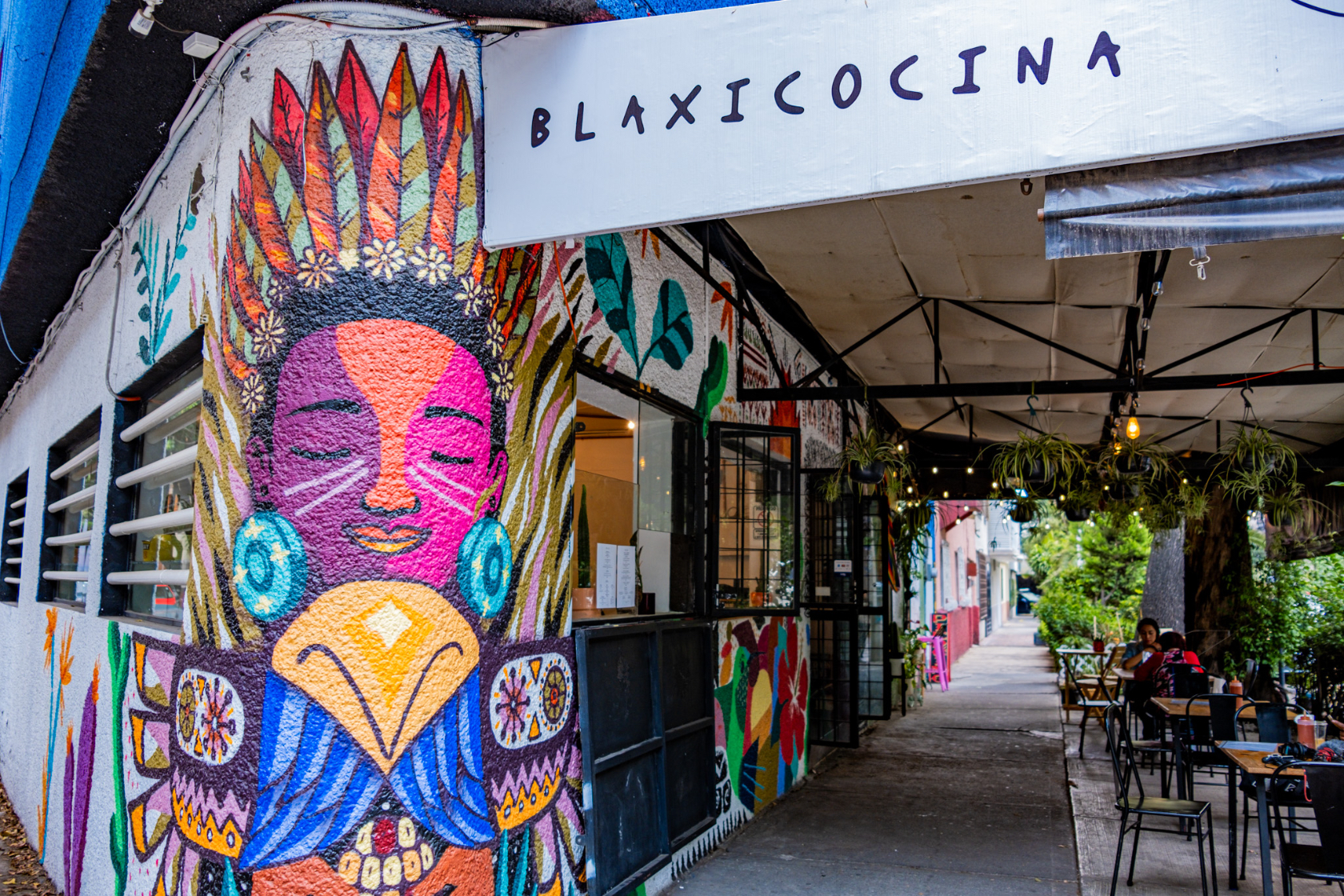
For the past six months, Darnell and her team have brought soul food classics to the Narvarte neighborhood of Mexico City. Everything from fried chicken to cornbread, carrot cake to sweet tea. She does it all using recipes handed down from her parents who have deep roots in Washington, D.C. – where Darnell still has a home – and Prince George’s County, Md.
“Things like that are foundational to soul food as we Black Americans know it,” says Darnell. “Pretty much every recipe that’s on the menu. These are all things that I made with my mom.”
But Darnell says that getting traditional ingredients for the menu can be difficult in Mexico. When she and her team first opened shop, for example, she found that there were some differences in the way that corn is used in Mexican cuisine compared to the way that they are in the U.S. Because most of the corn in Mexico goes through the nixtamalization process that makes products like tortillas possible, Darnell says she couldn’t find a supply of regular cornmeal or grits.
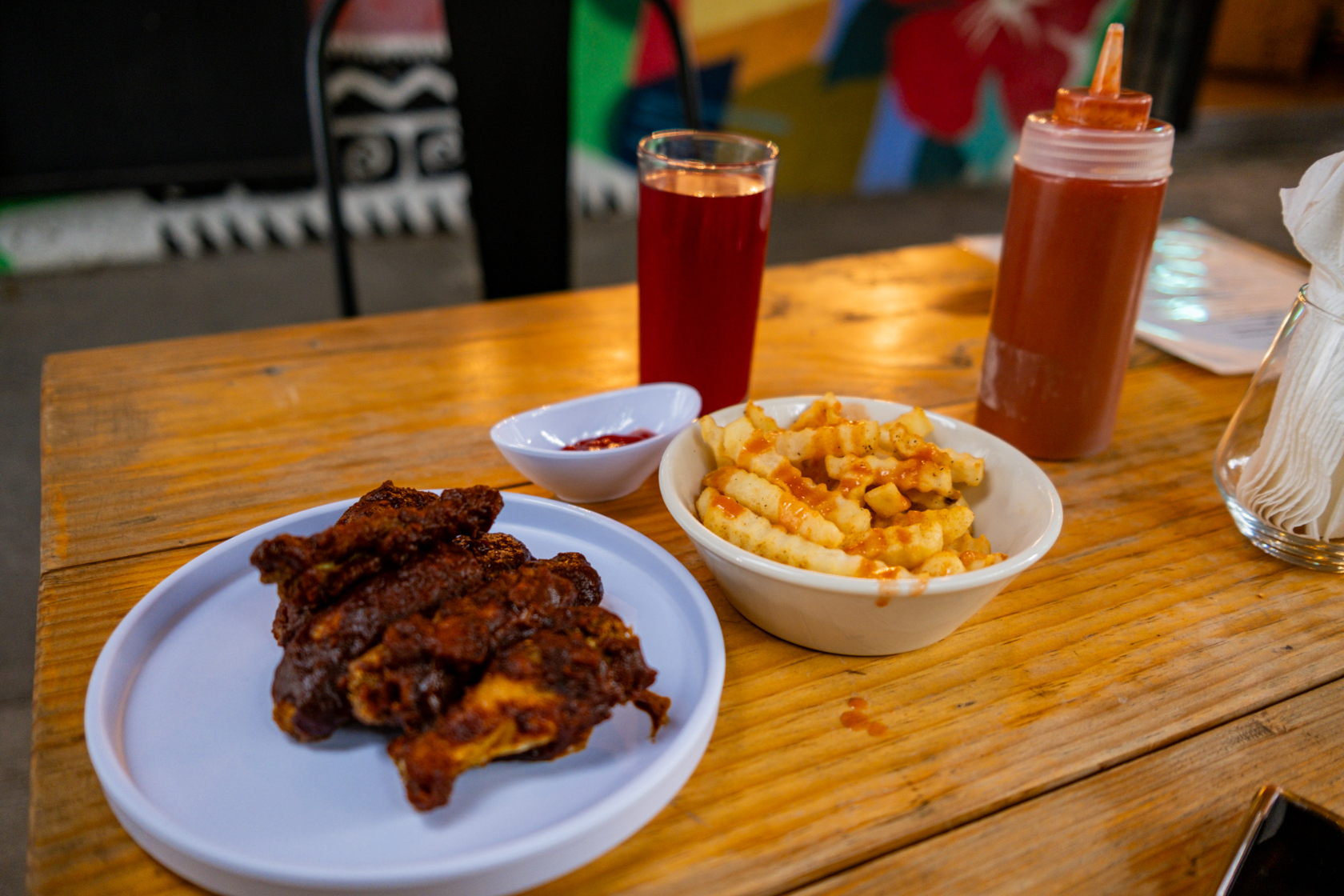
“We have to grind our own corn to make the cornbread the way we want it to be. We have to grind our own corn to make the coating for the fried green tomatoes that we’re trying out right now on the menu. There’s a lot of stuff where we’ve had to take a step back and start from the beginning to achieve the dish that we want – because those ingredients, as I know them in the U.S., are not here,” says Darnell.
With the exception of Old Bay seasoning, Darnell has turned to working closely with friends and the local community to source ingredients. That approach helped her get in touch with a farmer who she heard was growing collard greens, which she also struggled to get. Not only did she purchase them, they’ve even started working together – with help from the Heirloom Collard Project back in the states – to grow five different varieties of collard greens.
“When I first got here, I see kale, I see swiss chard, other types of greens, but collards were nowhere to be found,” says Darnell. “And now we have collard greens for everybody.”
In the months since opening, Darnell’s food has been well-received from both Black Americans looking for a taste of home and chilangos (a nickname for the denizens of Mexico City) trying something new. When Lesly Aldana heard that Blaxicocina was sourcing fresh ingredients for soul food from local farmers, some of whom are Aldana’s friends, she decided to check it out.
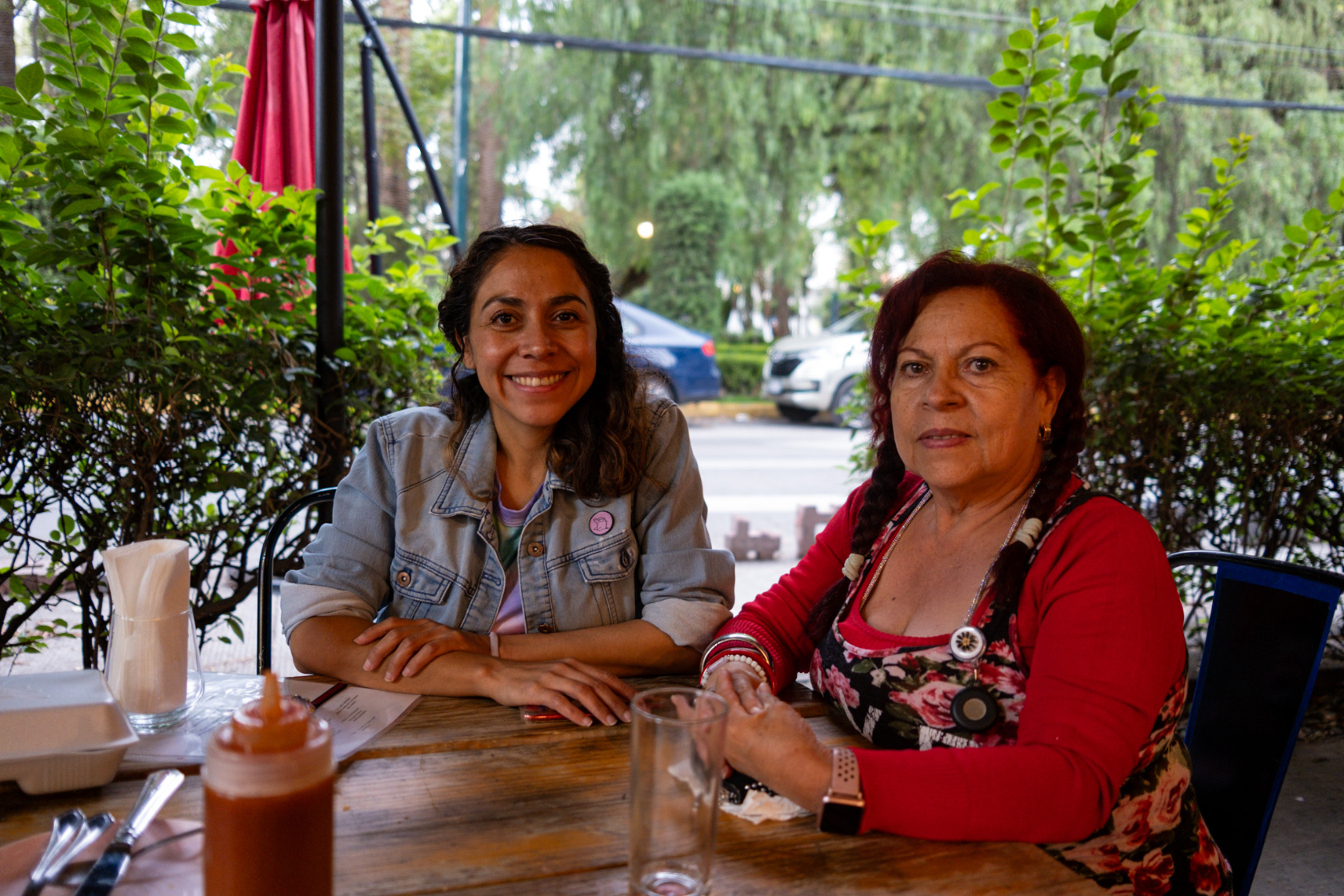
“I think this is a concept that did not exist in Mexico City,” says Aldana. “So I really like that combination when they mix part of the food, the culture, but they also look for more environmental, more ecological options to do it.”
Aldana even brought her mother, Alicia Marquez Gutierrez, for a bite. The duo took to the restaurant’s outdoor seating area for classic stewed oxtail and avocado mango salad. Gutierrez, who has lived all her life in Mexico City, says she really enjoyed the unique yet familiar flavors of the oxtail.
“[It’s] very tasty with that dressing they put on it – the adobito,” says Gutierrez. “Here we cook the [oxtail] but with another type of spicier chile. And I even wanted a little tortilla!”
The restaurant is serving a lot more than just food – it’s becoming the center of a thriving community of Black Americans in Mexico City who’ve left the United States. It’s been called a Blaxit and some participants are like Darnell, who says she’s doing it in search of a better quality of life, lower cost of living, and to get away from the racism found in the U.S.
“We could stay in the U.S. and try to make things better – and there are people who do that and I commend them for doing that – but I think I just came to the realization that my life is so short and so precious, and I’m not going to spend it trying to fix a system that wasn’t created for me,” says Darnell.
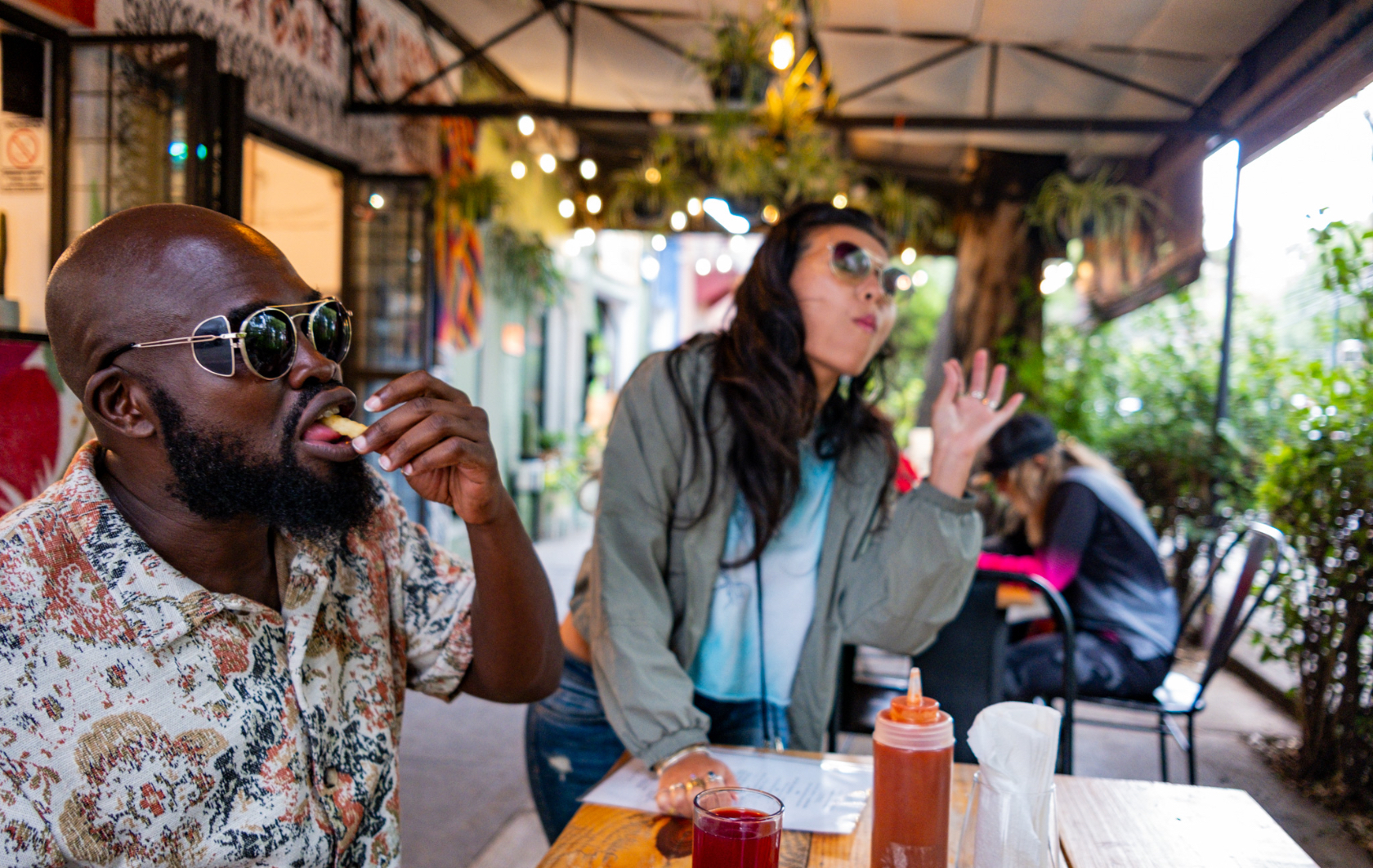
Angie Brooks says she had no idea that there was a growing community of Black Americans when she made the decision to live in Mexico about two years ago. But being at community events with others at Blaxicocina, including a recent Juneteenth celebration, has made her feel that much better about her choice. She says she’s happy to be part of what she calls “a movement”.
“Every time I come here for an event, like 98 percent of the people I’ve never met,” says Brooks. “So it lets me know that it is growing – we are growing.”
Along with regular events that support the operations of Blaxicocina, Darnell says that she’s also accepting help to keep her business sustainable. The website is taking monetary donations, kitchen and restaurant supplies, and even inquiries for potential investors.
Adi Shaku Bennu, a friend of Darnell’s, says he knows that many Black people are leaving the U.S. for a myriad of reasons. He describes being in Mexico as a healing experience from day one, and says it’s encouraging to see Darnell working hard to make Blaxicocina a welcoming place for all.
“To see people to come here and establish roots and build, shows that you don’t have to live in America to make it. You know, you can leave and make something great outside of the states,” says Bennu.
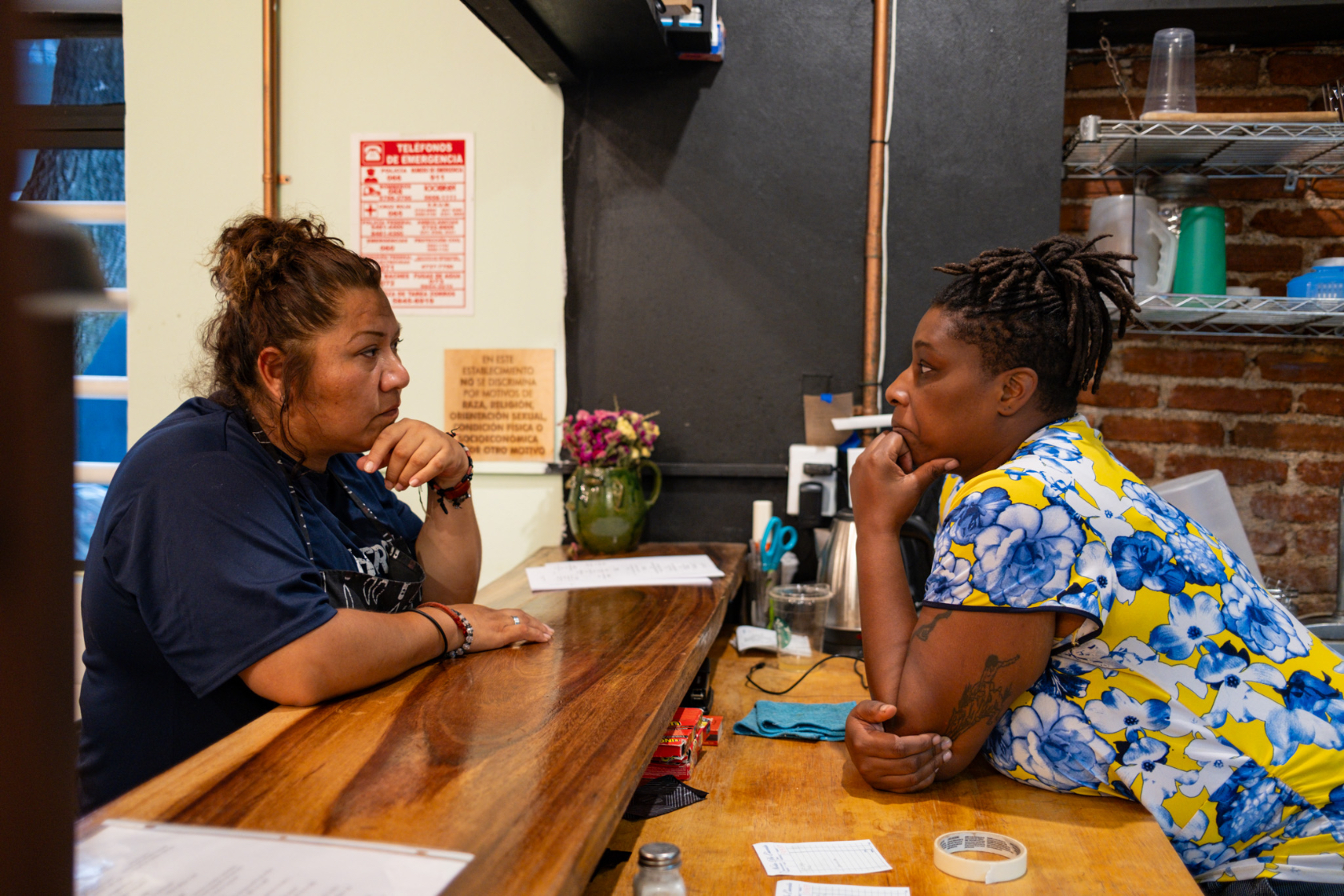
According to the U.S. State Department, Mexico is the top foreign destination for U.S. travelers. Currently, there are approximately 1.5 million U.S. citizens living in Mexico.
While Darnell acknowledges that the increasing number of Americans moving to Mexico City can drive gentrification, she argues that there’s an important distinction because Black Americans are leaving the U.S. due to systemic racism and oppression.
“It is a different thing, white folks coming here versus Black folks,” says Darnell. “I think, again, it just kind of comes down to the history of us as a people versus colonizers versus the enslaved…One of the hardest things about that nuance there is that most Mexicans don’t have that knowledge to be able to understand. So to them, all of us are just gringos who are coming down here, driving up prices, changing their neighborhoods. And I understand why they would feel that way.”
But Darnell says that, unlike others, she’s at least making an effort to be part of the community instead of just taking from it. The majority of her vendors, contractors, and all but one of her staff members are Mexican nationals. She says this way, money is going back into the community. She even speaks Spanish and wants to become fully fluent.
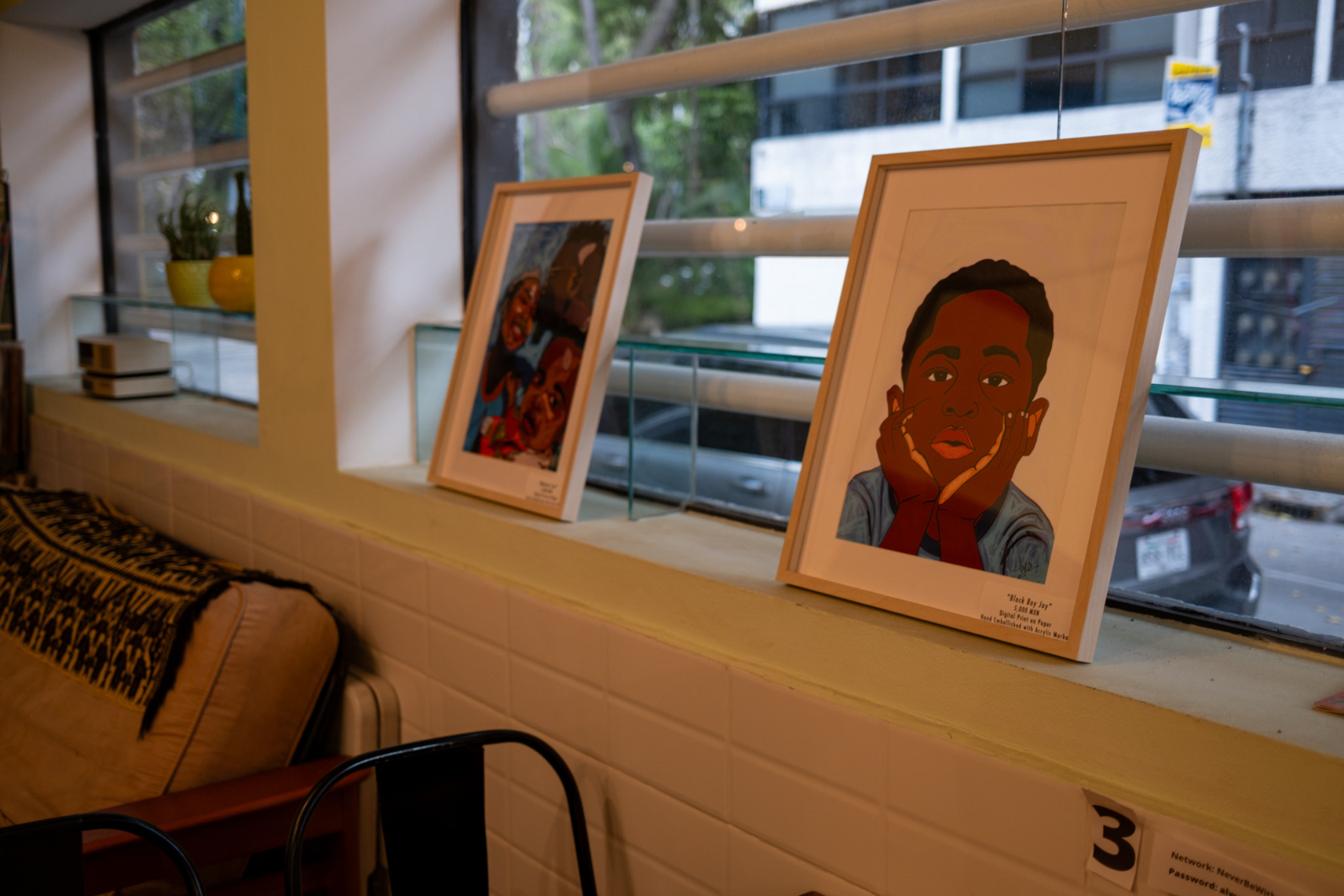
“I’m trying to be very intentional about including the community in what I’m doing,” says Darnell. “I feel like you could have me, or you could have one of the other types of gentrifiers that you can’t stand.”
It’s also not the first time in history that Mexico has stood as a sort of haven for Black people fleeing violence and oppression up north. According to some historians, it’s estimated that between the 1830s all the way up until emancipation, between 3,000 and 5,000 people escaped slavery in the U.S. by fleeing to Mexico. For Darnell, that’s a meaningful parallel experience.
“Just thinking about the fact that I’m part of a long lineage of Black Americans who have moved to Mexico and been welcomed in Mexico, it makes me like, I don’t know. All the emotions inside, I want to tear up thinking about it,” says Darnell.
As chef of Blaxicocina, Rosa Vargas says the experience of working with Americans has been rewarding. She has not only had to learn how to cook soul food but also learn about the culture that Darnell comes from.
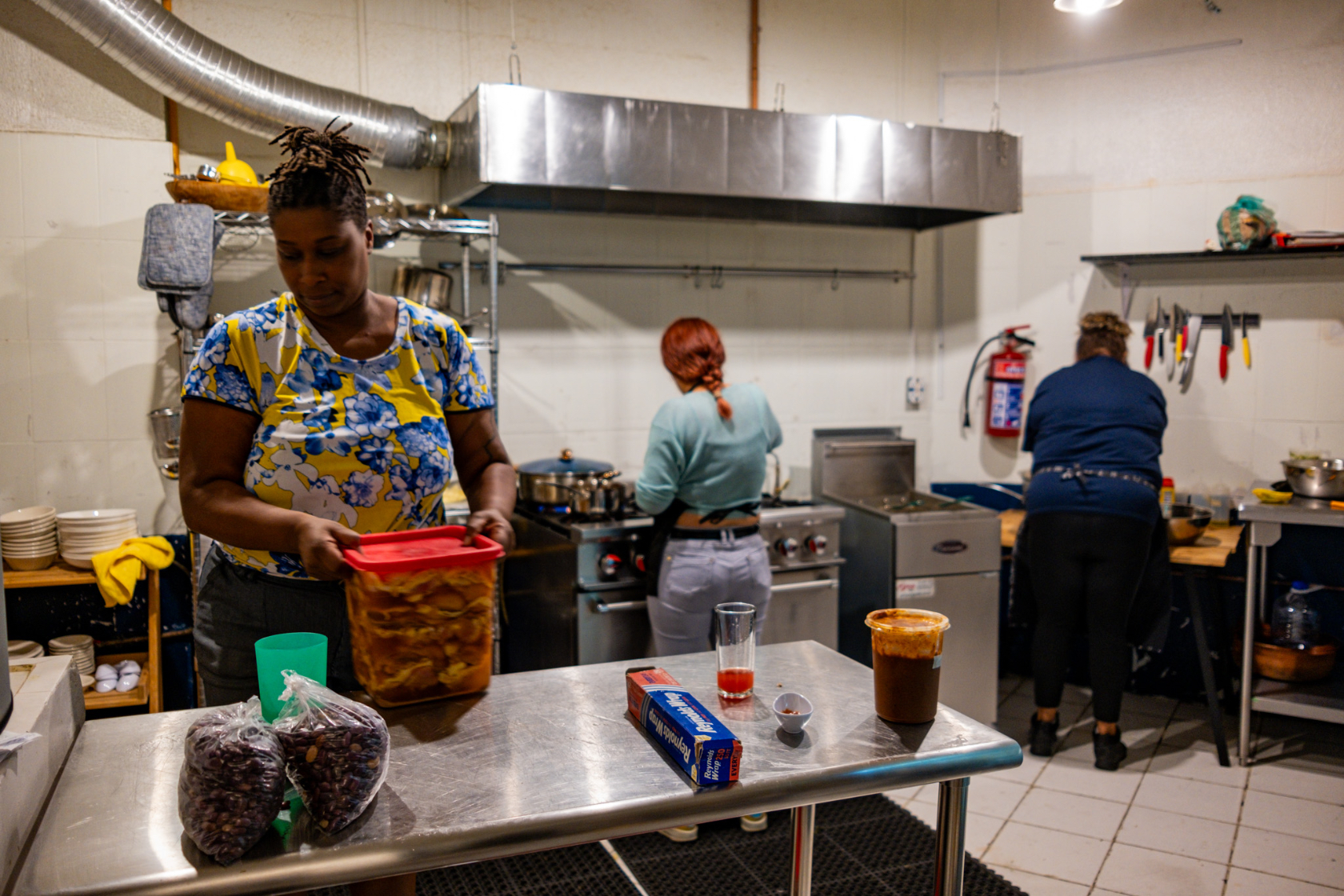
“It feels nice here because maybe a lot of the people coming here from another country are missing the taste of their country,” says Vargas. “It’s cool because sometimes we also have to learn to respect all types of people. Because sometimes there are differences, so it’s also part of supporting them.”
Aside from bolstering her menu to include homemade mumbo sauce, a D.C. staple, Darnell says she wants to continue bridging the gap between her community and Mexicanos. Even the mural outside the establishment centers on an Afro-Mexicana woman surrounded by collard greens, hibiscus flowers, and hummingbirds to showcase a fusion of Mexican and Afro icons. For Darnell, it’s symbolic of how each culture is not so different from the other.
“Mexico City definitely feels like home. I have a really great community around me. I have friends that are family at this point, and I just feel really connected here, culturally, socially, in a way that I just didn’t in the U.S,” says Darnell.