A long time ago, before the Beltway and the Interstate highway system, a web of U.S. highway routes crisscrossed the nation, connecting cities, towns and villages. These U.S. highways still exist, but now only form the backbone of the nation’s secondary federal highway system. Route 1, which passes through D.C. via Rhode Island Avenue and the 14th Street Bridge, links Maine and Florida. Route 50, coming straight down Consitution Avenue, links Ocean City, Md., with Sacramento, Calif.
Then there is Route 29, the bastard child of highways passing through the District. While it enters the city via the Key Bridge and Georgia Avenue, its routing between those two points is at best imprecise. The District Department of Transportation doesn’t seem to know where it goes either, as it has signs for the highway at different points in the city going in very different directions.
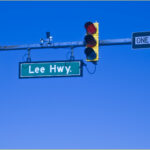
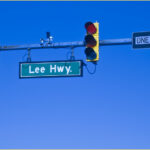
Pedestrians and drivers passing through Dupont Circle have most likely seen this sign pictured above. Route 29 passes around the circle with New Hampshire Avenue as its entry and exit points. But if you happen to drive north or south on New Hampshire Avenue from the circle (as the routing signs point to), Route 29 disappears.
But if you’re on the Whitehurst Freeway heading toward K Street, a large overhead sign indicates Route 29 runs across town via Gucci Gulch. Other signs over on Georgia Avenue indicate it runs through town that way. So what gives? If you were traveling from the highway’s starting and ending points — Pensacola, Fla., and Mount Hebron, Md. — how would you travel through the District on the phantom highway?