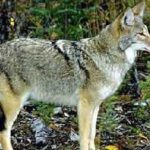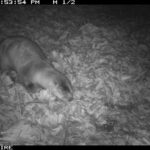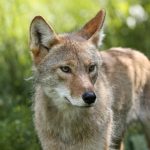
 It was two years ago that we first took notice of D.C.’s new population of coyotes. Back then we worried about the threat of an international incident as the animals made their way to Embassy Row. Today the Post confirms that coyotes continue to roam the edges of Rock Creek Park, bringing them in much closer contact to city residents.
This is one case of animal/human cohabitation that can’t be blamed on urban development pushing native species out. Scientist say they’re not sure if coyotes inhabited this area before Europeans arrived. Eastern coyotes, which are typically twice the size of their western brothers, have also adapted, and indeed thrived, with urban expansion. The omnivores’ population has grown as its food sources have multiplied. Coyotes eat garbage, small deer, rodents and even family pets. A spokesman from the Maryland Department of Natural resources told the Post, “They’re highly adaptive, and they’re efficient, and what they learn is that it’s much easier to take a suburban small pet . . . as opposed to having to run down a wild cottontail rabbit.” The decline of wolves and foxes, who, unlike coyotes, are driven out by development,
also creates a less competitive hunting ground for animals that stick around.
It’s not just the fear of a late-night schnauzer snatching that’s got District residents worried. Coyotes have begun roaming neighborhoods near Rock Creek Park and waking residents with their wild howling. Similar noises can be heard in Maryland and Virginia suburbs. If you find yourself in close proximity to a coyote, there are a couple proven methods to send it on its way. It’s best to make yourself seem “as large and threatening as possible” by waving your arms and legs, making eye contact, shouting in a low voice or even throwing rocks and sticks in the animal’s direction. Most coyotes will flee back to the relative safety of a wooded area.
While it’s not clear whether D.C.’s coyote population is growing, experts say they are becoming bolder and city-dwellers should try to avoid direct contact with the predators. Have you had a close encounter of the coyote kind? Know of any howling hotspots?
Photo by Flickr user grundlepuck.