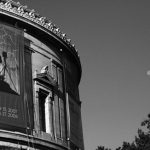
 One of only three art schools in the nation that are affiliated with a world-class museum, the Corcoran College of Art + Design is a powerhouse in the “art schools of America” roster, ranking high in the Princeton Review (but receiving a ‘C’ average among current pupils and alumni). Founded in 1890, the school is the District’s only four-year, fully-accredited college of art and design. The Corcoran Gallery of Art has finally dedicated a gallery to its educational sibling in an overdue gesture of commitment to the art school. The smallish gallery sits somewhat camouflaged behind a door marked “Auditorium” and if you are not too familiar with the layout of the galleries or the school, you might miss it. Although they most likely will have to answer to the museum’s chief curators and board of trustees, the students and faculty will govern the contents presented inside Gallery 31, as it was uninterestingly tagged by Corcoran students because of its 31st position on the original gallery’s floor plan.
As an inauguration of the newly bestowed space, nothing is more fitting than a Senior Thesis Exhibition where students will complete the final requirement for their degrees and flaunt just exactly what those $97,156 BFAs have bought them. This series has been inching toward its finale since February; presented incrementally by major, beginning with Photojournalism and working through Fine Art Photography, Fine Arts, and Graphic & Digital Media Design. The exhibitions have been changing weekly, with a new group of students installing their work each Tuesday.
For the roughly twenty-two Digital Media Design and Graphic Design students, the senior exhibition project was obviously a strenuous process. Students began by choosing their topics, all of which are devoted to modernism to accompany Modernism: Designing a New World (on view in the main museum). They then set out to conduct appropriate research and develop a compelling thesis. The projects had only two prerequisites — they must include an interview with another, more seasoned design professional and they must harvest a final publication to bear the fruit of their research papers. Many (almost half) of the seniors chose to “publish” their work using video format, which was supposedly running on loop on LCD screens in the back of the gallery. But on Sunday, May 6th, the videos were neither running nor audible. Unfortunate, too, because many of the bound publications were so well done it would have been great to see the contrast in media.
Jason Lavinder’s The Evolution of Newspaper Design: Exploring Layout and Design from Yesterday’s News to Today’s Top Story illustrates everything that’s fit to print about the charming and age-old culture of information sharing in the dailies. He works through the painstaking art of ancient typefaces, long before the ease of desktop publishers, the introduction of margin-to-margin images on the front page, modern weather mapping, and the presence of advertisements in the news and in tabloids. His project lay there elegant and encased in an intelligent blue polybag, replicating the size and appearance of a $1.50 Sunday paper. But this assembling of undergraduate hard work, attractiveness, and smart perspective is so sharp that it should never be discarded on the Metro or carelessly chucked by the paperboy.