 From the front page of this morning’s Washington Post, it seems the last person anyone expected to be right about anything, perennial whack-a-doo mayoral candidate Faith, wasn’t actually that far off the mark during last year’s campaign: Chocolate City is rapidly becoming Vanilla Villa. The District of Columbia will likely no longer be majority-African American within the next 13 years.
The 14 percent increase in non-Hispanic white District residents and 6 percent decrease in blacks from 2000 to 2006 are probably the result of the gentrification of once-affordable city neighborhoods, demographers said.
The impact on the city’s racial makeup is noticeable. In 2000, blacks made up 60 percent of the District’s population. By 2006, that figure was 55 percent.
If the trends continue, the city will almost certainly cease to be majority black by 2020, said Robert E. Lang, director of the Metropolitan Institute at Virginia Tech. “It will wind up more like a Los Angeles or a New York, with no clear majority.”
The history of Washington, D.C. is inextricable from its identity as a place that a significant population of African Americans calls home. African Americans were 25 percent of the population of the city in 1800, the majority of them enslaved. By 1830, most D.C. blacks were free people despite slavery still existing, and during the Civil War (1861-1865) and Reconstruction (1865-1877), a huge influx of freed slaves from other parts of the country moved to Washington. By 1900, the city had the largest African-American population in the country, a fact which paved the way for the Shaw/U street area becoming a booming cultural and social center for the black community in the early 20th century. It wasn’t until 1957 that Washington’s African American population became the majority ethnic group in the city, making it the first predominantly black major city in the United States. By the 1970s, the city’s black population topped 70 percent, and they were clearly leading the politics and cultural make-up of the city, as they do still today.
Of course, the increased costs associated with living in the District of Columbia in recent years have meant that many lower-income African Americans have since moved to cheaper suburban locations in Virginia and Maryland. It’s a demographic trend that no one, but perhaps especially longtime residents who see the changes happening right before their eyes, can ignore. The racial tension that accompanies gentrification is a frequent topic of conversation on this site, and the numbers suggest the same trends will continue over the next 20 years. D.C. will become less black, while the suburbs will become more so. Nothing could change the significant role African Americans have and will continue to play in leading this city — but it does seem it’s time to once again revisit one of our favorite topics: what exactly the city ought to be doing to ensure that longtime residents aren’t displaced by the march of economic growth?
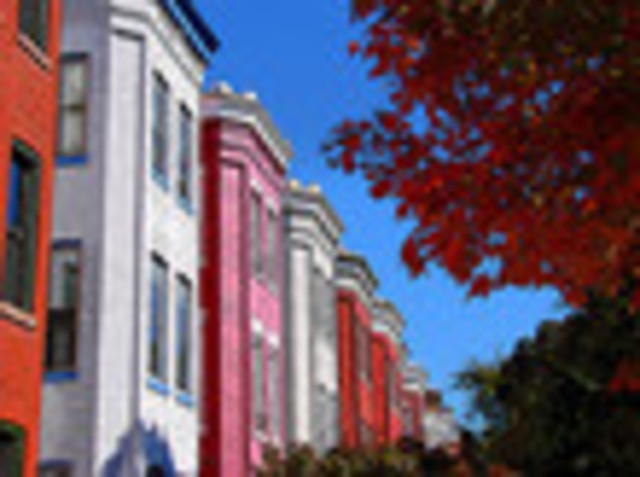
Photo by Ronnie R.
Historical information from Marya Annette McQuirter, Ph.D. on the Cultural Tourism DC site as well as ExploreDC.org.