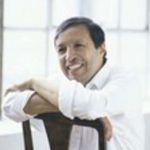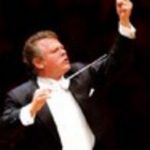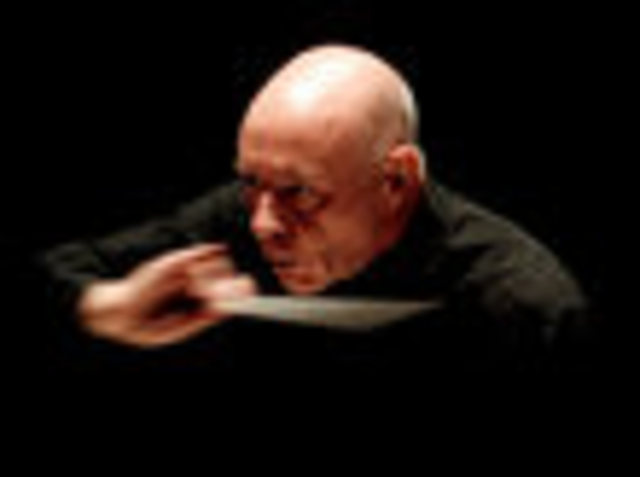
 On Sunday afternoon, Washington Performing Arts Society concluded another excellent season with the latest concert by the Philadelphia Orchestra in the Kennedy Center Concert Hall. The impressively full hall bore witness to the continued popularity of this prestigious ensemble, in spite of the turning of critical opinion against it. According to one recent assessment of American orchestras, the Philadelphians are no longer among the symphonic Big Five. The problems began when current Music Director Christoph Eschenbach was appointed, over the opposition of some of the musicians. Although the reviews since then have been getting better, Eschenbach decided not to renew his contract after the 2007-08 season. The Philadelphia leadership has taken the unusual step of not appointing a new Music Director, instead naming Charles Dutoit as chief conductor and artistic adviser. In related news, Eschenbach will also be replaced at the podium of the Orchestre de Paris by Paavo Järvi in 2010. Eschenbach’s relationship with the administration of both orchestras remains troubled.
Eschenbach made a daring decision to open the concert with Arnold Schoenberg’s first Kammersinfonie (op. 9). Schoenberg’s name is a lightning rod for anti-modern malcontents, but this early work, premiered in Vienna in 1907, is more tonal in style than much of Schoenberg’s other work. It was brilliant programming, in any case, that gave Eschenbach the chance to show off 16 of his masterful principal players, with particularly strong contributions from the flute and piccolo (performed here by separate musicians), horn, and oboe players. Schoenberg telescoped the four movements of a traditional symphony into a dense 20 minutes, with an ardent opening section, a quasi-Wagnerian slow episode, a comic scherzo section contrasting high and low sounds, and an exciting fast conclusion. The piece plays with extremes, skewing especially to the bass with prominent use of bass clarinet, bassoon and contrabassoon, cello and bass, and testing all the players by driving the instruments to the edges of their traditional ranges.
Photo of Christoph Eschenbach from christoph-eschenbach.com