 Written by DCist contributor Amy Cavanaugh
With all the Smithsonian museums clustered around the mall, it’s easy to overlook the Smithsonian Anacostia Community Museum, which has been chronicling the life of the area’s residents since 1967. Their new exhibit, East of the River: Continuity and Change, celebrates 500 years of southeast Washington in a sweeping overview of its triumphs and tragedies.
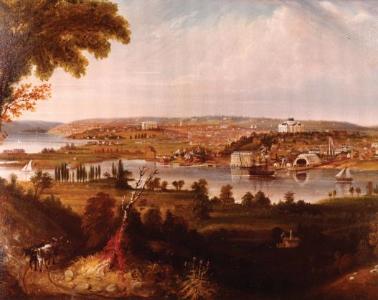
From archaeological artifacts to paintings to documents to video, the multimedia components of East of the River weave together a story of Anacostia’s rich history. Beginning with the Native Americans and concluding with a discussion of housing in the area (along with plans for gentrification), the exhibit also covers the arrival of European settlers and slavery.
“The history over here is really a history of how communities have tried to shape the destiny of the community by getting together and organizing,” said Portia James, Senior Curator of the Smithsonian Anacostia Community Museum. “That’s an important part of the story in Anacostia — neighbors have gotten together and demanded change.”
East of the River strives to do a lot, and it succeeds in being both dynamic and informative. Developed to commemorate the museum’s 40th anniversary, East of the River explores some of the major facets of life in Anacostia, including housing, land use, the environment and immigration, all of which have played a major role in the area’s growth and development. The show follows up on The Anacostia Story: 1608-1930, which told the story of life in Southeast D.C. during that period, and was developed by curator Louise Hutchinson three decades ago. The new exhibit aims to highlight the evolution Anacostia has seen over a longer period of time.