 Written by Morgan Hargrave
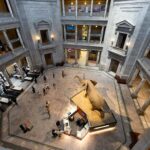
It is usually not a good sign when a museum’s first display details how popular it used to be. It seems the National Museum of Health and Medicine is decades removed from its glory days, when it was called the Army Medical Museum and resided in a series of more prestigious locations around D.C. It attracted between 450,000 and 765,000 visitors per year during the 1960s before being moved away from the Mall to make room for the Hirshhorn in 1968. Now it occupies a much smaller space on the Walter Reed campus in Takoma, and what remains is a strange little museum indeed.
The NMHM is nothing if not consistently gruesome. Images of combat wounds and amputated limbs abound, though much of the museum is not focused on the battlefield. A large section is dedicated to topics explored by the museum’s researchers, including a particularly unpleasant portion on skin diseases. Also on display is a megacolon that someone saw fit to pull out of an unfortunate young man and present for public viewing. Beyond this unsettling subject matter, the museum also suffers from a seemingly haphazard layout. A museum this small should not have any problem presenting its exhibits with at least some semblance of flow or chronology, yet the NMHM is fairly cumbersome.
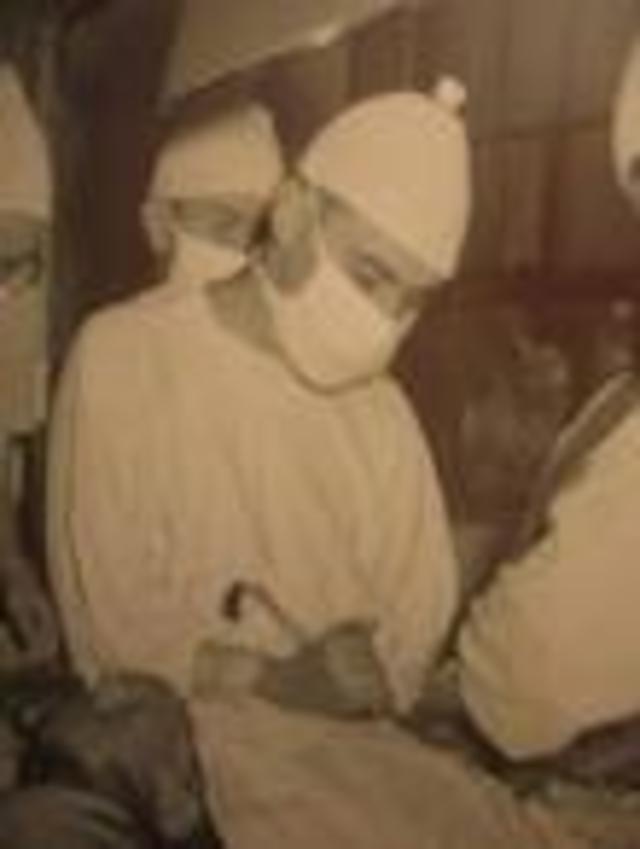
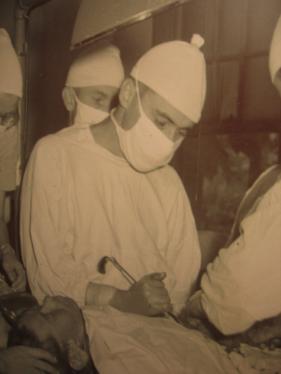
The museum does succeed, though, when it concentrates on medicine in the midst of war. Made up of over 100 photographs, Battlefield Surgery 101: From the Civil War to Vietnam chronicles the heroic efforts of medics in the field. The wealth of images on display is enough to dispel any doubt that the medical staffs of our armed forces are anything less than superhuman. The exhibit articulates the stress and chaos of working in wartime conditions, chronicling the work of medics, nurses, and surgeons from the field to the operating room through a collection of over 100 photographs. While no less grotesque than the rest of the museum, the section is at least a bit more organized and significantly more interesting.