 In one of DCist’s earliest jazz posts, we lamented that local jazz artists and venues were lagging behind other parts of the D.C. arts scene in getting information on the internet. Things have changed for the better during the past four years. In 2010, CapitalBop emerged as a welcome addition to the District’s jazz community. The site is as much a venture in advocacy and activism for this music as it is a foray into jazz journalism, making it as comprehensive an online resource as this city has ever had.
“For me, it was one too many times walking into Twins Jazz and seeing more people on stage than in the audience,” said Giovanni Russonello, CapitalBop’s founder and Editor-in-Chief. “There’s so much great music and so many great musicians, many of them are friends of mine. The best way to promote the scene is just to let people know about it. That’s what we need to do most.”
Russonello first came up with the concept in 2009 during a summer off from college, when he would go to shows and recognize the disconnect between jazz performers and the potential audience that he knew existed. His goal with CapitalBop was to create an all-encompassing guide with a news element, as well as a database for local musicians and enthusiasts. Russonello then became aware of the blog DC Jazz Shows, which was run by saxophonist Elijah Balbed‘s mother. As that site became less active, Russonello decided to carry forward himself, launching CapitalBop in September 2010 on the same day as the Rosslyn Jazz Festival. He also joined forces with Luke Stewart, who was more active in and aware of the avant-garde scene.
“So-called ‘free jazz’ has a very distinct place in the jazz continuum and has just as much a tradition as so-called ‘straight ahead,'” said Stewart. “D.C. has a strong legacy in avant music. Outside of the wonderful things that Sonic Circuits has done, a great many people have been based here in D.C.”
Similar ventures have been launched in the past without much success. DC Jazz has been around for twelve years, but much of its content is outdated and it tends to skew toward older performers, all but ignoring the influx of young talent the city has seen over the past decade. Similarly, the Washington DC Jazz Network operates through a membership model and offers little to those who are not members. While CapitalBop’s principals recognize the need to monetize the site — right now it is a labor of love for both Russonello and Stewart — they hope to avoid these pitfalls by maintaining a separation between advertising and content.
“Sites that charge people to be put on the calendar have immediately compromised their credibility because then you’re only promoting cats who can pay,” said Russonello. “That’s not the way to go about it because then you wouldn’t have had Charlie Parker on the New York jazz calendar.”
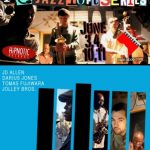
CapitalBop adopted a multimedia approach to its content by producing original video and audio segments for the site. In addition, Russonello and Stewart have taken things a step further by presenting live shows through CapitalBop’s D.C. Jazz Loft series, which presents the city’s best young musicians in a loose setting where they can really stretch out.
“Because of the environment we’ve got here, there’s not much of a huge focus on doing your own thing, or being original and taking it somewhere new,” Russonello explained. “In terms of fixes, the D.C. Jazz Loft aims at doing that.”
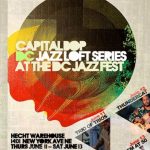
Modeled after the jazz lofts that used to take place in New York during jazz’s heyday, the D.C. Jazz Loft shows have a strong DIY feel to them and give musicians a chance to play more original and innovative music. CapitalBop reached a milestone this week when it announced that it will partner with the DC Jazz Festival to present a series of four D.C. Jazz Loft shows at underground venues around the city during the festival in June.
“The whole idea behind the series is to take jazz out of the exclusive high scale club atmosphere and present it in a more artistic fashion,” said Stewart.
While the partnership with DCJF will definitely bring a much needed boost to CapitalBop, Russonello also sees the D.C. Jazz Loft bringing something to the table.
“[The DCJF] brings top talent and has a broad reach,” he said. “We want to bring a spirit of innovation, youthful vigor and creativity to the DCJF in a way that the festival simply hasn’t had it before.”