Martin Austermuhle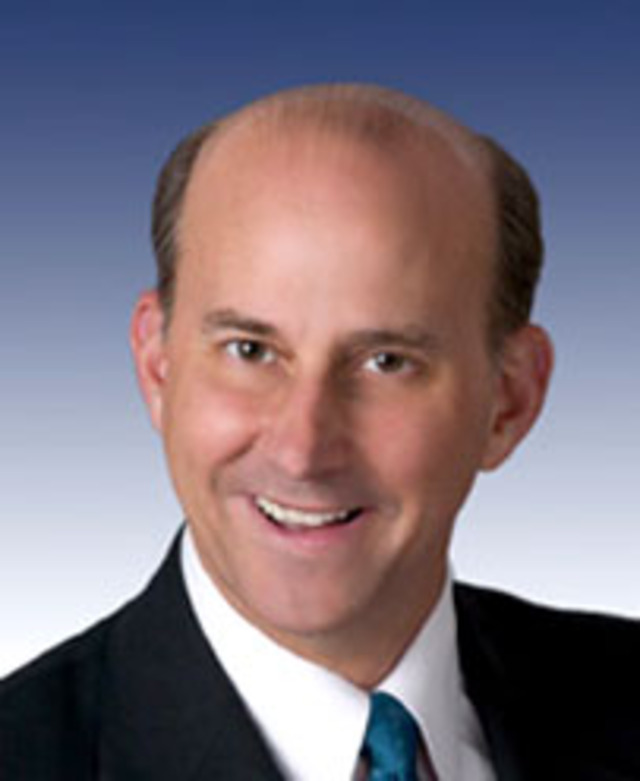
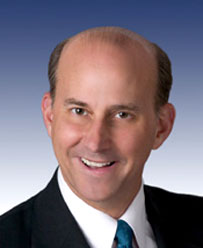 Rep. Louie Gohmert (R-TX)
A proposal by Rep. Louie Gohmert (R-TX) to allow residents of other states with conceal carry permits to similarly carry concealed weapons in the District failed today in a surprising 24-3-1 vote, with a large number of Republicans siding with Democrats in opposition.
In his introduction of the amendment, Gohmert argued that existing regulations on guns in the District flaunted the 2008 Supreme Court decision that found the city’s ban on handguns unconstitutional.
“It’s not a right if it’s completely limited,” said Gohmert, who additionally stressed that Congress had the right to legislate on behalf of the city.
Gohmert found little support, though, with two fellow Texas Republicans arguing that the amendment had no place in the legislation — which would allow reciprocity between states that have conceal carry laws on the books — and that it didn’t actually grant D.C. residents any additional rights as Gohmert claimed.
Rep. Ted Poe (R-TX) pointed out that Gohmert’s amendment would only give rights to residents of other states that had concealed weapons permits, and not to any D.C. residents.
“What’s good for the goose is good for the gander…It seems like the goose is getting a gun and the gander is getting cooked,” Poe said.
A number of Democrats expressed their opposition to the proposal, saying that it infringed upon Home Rule. “We can’t use the District of Columbia as a laboratory,” said Rep. Sheila Jackson-Lee (D-TX).
The votes against included Rep. Jason Chaffetz (R-UT) and Rep. Jim Jordan (R-OH), who have long tried to use their place in Congress to block local initiatives like same-sex marriage. Rep. Trey Gowdy (R-SC), the chair of the Subcommittee on Health Care, District of Columbia, Census and the National Archives, voted “present.”
Despite the vote, it’s far too early to say that Republicans have come around on matters of D.C. autonomy. Most who spoke against Gohmert’s measure noted that it was more a question of timing than substance; Gohmert himself noted that while he would usually be torn between states’ rights and the Second Amendment, but the fact that the District isn’t a state makes it open to his interference.