 Shutterstock.com
The Maryland House of Delegates passed a bill early Wednesday that will allow the construction of a sixth casino and the introduction of full-service table games like blackjack and craps.
Legislators were nudged into a special session last week by Gov. Martin O’Malley, who strongly backs the expansion of casino gambling as a way to boost revenue and create jobs. The Maryland Senate approved the bill late last week.
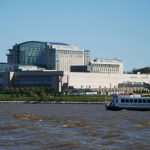
With passage in both houses and O’Malley’s signature this morning, the gaming bill now goes to Maryland voters in November. If it passes, Maryland’s existing five casinos will be permitted to begin adding table games to their slot machine-filled halls and work will begin on the construction of a new resort-style casino in Prince George’s County, likely to be placed at the National Harbor entertainment complex.
The gaming bill also allows “slots-like” machines at veterans’ halls across the state with the exception of Montgomery County. And it also relieves the state government from the burden of purchasing slot machines itself.
But the House of Delegates also added in more generous tax breaks that will mean Maryland nets less revenue from casinos in the long run, The Baltimore Sun reports:
Lawmakers learned Tuesday that legislative analysts have determined that bigger tax breaks adopted by the House mean the state would reap about 13 percent less revenue from the bill than under O’Malley’s original plan.
It would generate an additional $174 million a year in revenue for the state when fully implemented in 2017. Most of that money — $135 million — would come from the state giving up responsibility for buying slot machines. Just $39 million would come from taxes on table games and the new casino.
But Prince George’s County business leaders are more sanguine about the economic possibilities presented by a new casino. The National Harbor casino, a planned $800 million complex to be built by MGM Resorts International, would create as many as 2,000 jobs during construction and 8,000 direct and indirect jobs once it’s open for business, M.H. Jim Estepp, the head of the Greater Prince George’s Business Roundtable wrote in an August 6 letter to The Washington Post.