Rachel Kurzius
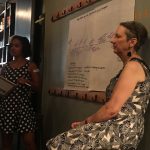
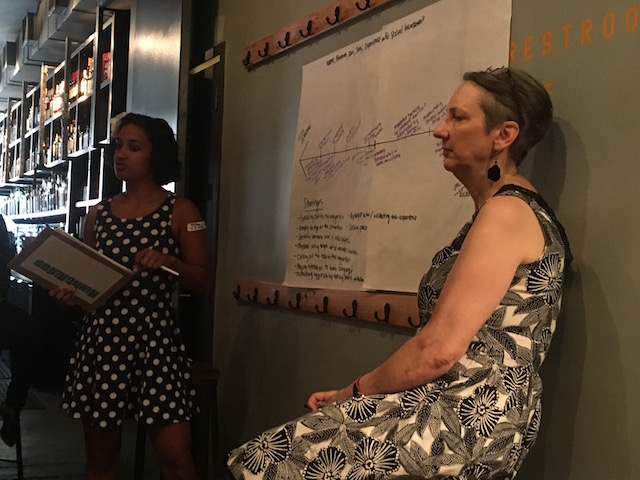 Jessica Raven and Lauren Taylor at a Safe Bars training in August. (Photo by Rachel Kurzius)
A program designed to teach bar staffers how to identify and prevent sexual harassment and assault has had a busy six months, meeting its goal of training the employees of 20 D.C. area establishments as of this week.
The idea behind Safe Bars is that people in the service and nightlife industry are in a unique position to help, and can use bystander intervention techniques to stop unwanted attention from turning into something far more severe.
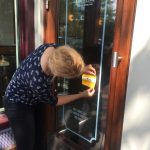
Once Safe Bars holds a training for staffers, the bar gets a decal on its window similar in size to a Zagat sticker, as a heads-up for patrons. The certification lasts one year.
The program is a collaboration between two area organizations: Collective Action for Safe Spaces and Defend Yourself. While it’s been around for about two years, Safe Bars has become significantly more active in the past six months.
In addition to training the 20 area bars, they’ve also helped establish new programs in Colorado and Pennsylvania, and received a $20,000 grant from a National Football League initiative to fund sexual violence prevention programs.
“It’s just an amazing step in the right direction towards completely transforming bar culture in D.C.,” says Jessica Raven, executive director of CASS and co-director of Safe Bars. “I have high hopes for 2017.”
Before that, though, Raven and co-director Lauren Taylor of Defend Yourself are taking a pause over the holidays to make improvements to the program and review the evaluations they’ve collected.
And while they’ve met their numerical goal of 20 bars, the program is still working on training places outside the Northwest quadrant. Raven says that Safe Bars was getting requests from establishments and so the program put outreach on the back burner for the latter part of the year.
“That will probably be part of this short hiatus—evaluating what outreach strategies can look like in 2017 to make sure we have bars from Northeast, Southwest, and Southeast,” she says.
Raven, featured in Washington City Paper’s annual People Issue as a “Safe Space Maven,” has been doing bystander intervention trainings outside of Safe Bars on a weekly basis, as well.
Since the election, “the number of requests I’ve gotten has quadrupled,” she says, in response to the hate crimes and racist incidents around D.C. The Trump administration “won’t change the work, but it has increased the urgency so we’re just doing more of that work.”
She is particularly interested in holding a training for commuters. “A lot of these incidents are happening on public transit,” she says. CASS has long made public transit a priority of its activism, working with Metro on a sexual harassment survey and public information campaign.
The latest series of ads, which went up in November, features photos of Muslim women, transgender women of color, and other people with marginalized identities, and encourages them to report experiences of sexual harassment.
Current bars with a “Safe Bar” designation are 801, Acre 121, Bar Charley, Big Hunt, Birch & Barley, ChurchKey, Colony Club, Columbia Room, The Dabney, Eat the Rich, El Chucho, Little Coco’s, Mackey’s Public House, Mockingbird Hill, Peregrine Espresso, Quarry House Tavern, Shaw’s Tavern, Slash Run, Southern Efficiency, and Sudhouse.