Natalie Delgadillo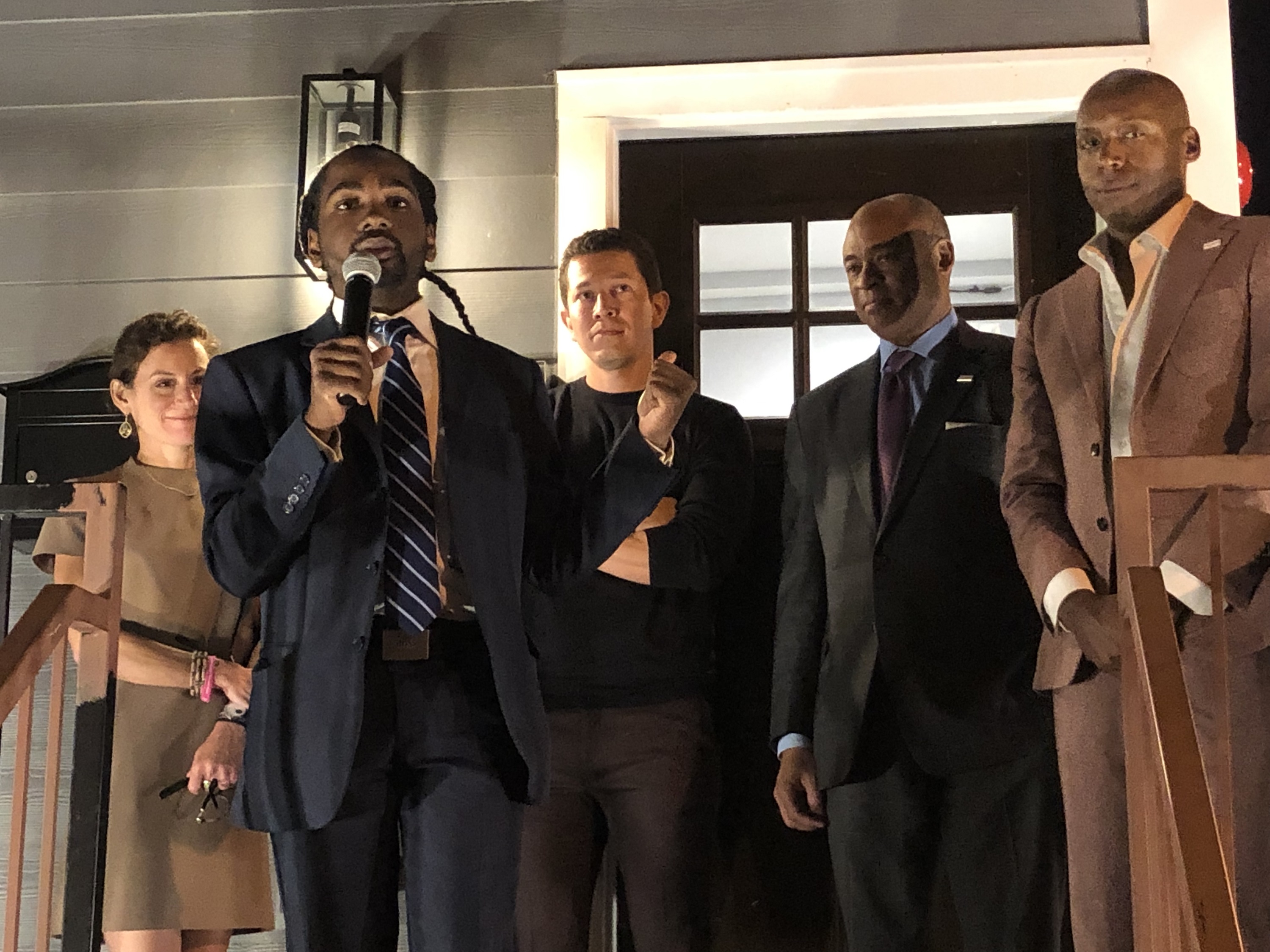
“Southeast is nowhere for you to be trans. There’s no resources, there’s no help for you there,” Bela Muney, a trans woman and LGBTQ advocate, told DCist last December.
That’s changing, with the opening of two new LGBTQ centers in Ward 8 in the span of a few weeks of one another.
Multicultural LGBTQ community service center Casa Ruby opened a resource center in historic Anacostia last month. And the nonprofit Supporting and Mentoring Youth Advocates and Leaders, known as SMYAL, has opened a second home for LGBTQ youth experiencing homelessness.
Community members gathered to celebrate the grand opening of SMYAL’s new four-story youth house (nicknamed the “light tower” by Ward 8 Councilmember Trayon White) on Thursday night. Guests weaved in an out of the long, light colored hallways, admiring the spacious bedrooms and polished kitchens. The building, which just finished construction last week, is made up of seven units with 14 beds, and is funded by the D.C. Department of Human Services.
“Part of the assumption is that most people who are LGBTQ live west of the river,” Councilmember Trayon White told the crowd on Thursday evening. “But the data reflects that a lot of young people live east of the Anacostia River, and housing is not something that they just want, but it’s something that they need.”
Per the 2018 Youth Count, 38 percent of homeless young people between the ages of 18-24 identify as LGBTQ. “Across the District, there are young people who are LGBTQ that feel neglected by the city, disenfranchised, and feeling not just homeless, but hopeless,” White said.
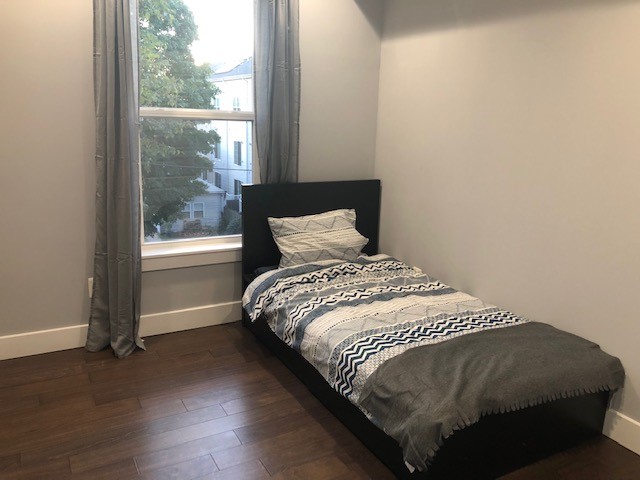
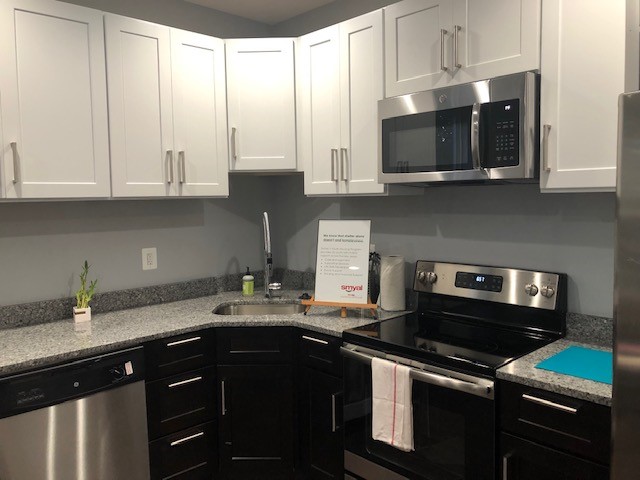
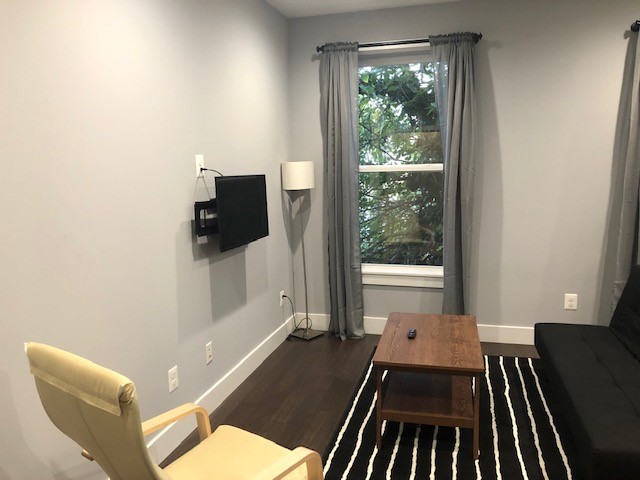
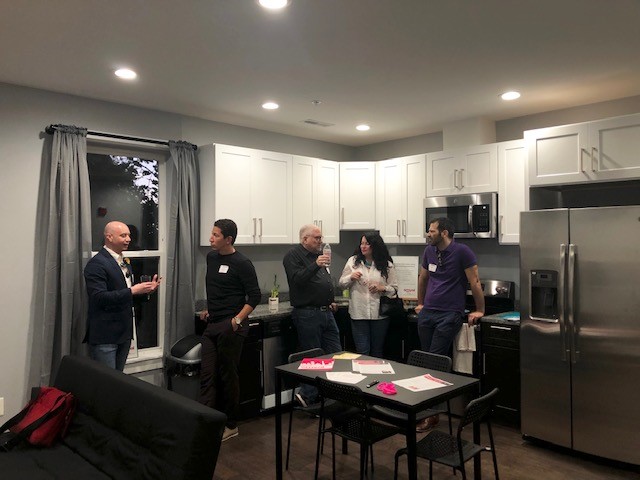
SMYAL has been providing services to LGBTQ youth in the District for 30 years, and it has one housing program with capacity for 12 people already under its belt. With this second LGBTQ youth house, the organization has doubled its capacity to provide safe and stable shelter, food, case management services, crisis intervention, and community support .
“We’ve realized as we’ve had these assessments for all of our youth that there’s a deeper, richer trauma,” said SMYAL’s director of youth housing and clinical services, Jorge Membreño. “So we decided to build this program with clinical considerations around those levels of trauma, thinking about it like, ‘What are the things our youth need—especially those who have higher needs—and what can we provide for that?'”
The facility offers youth 24-hour support, including mental health counseling and job training.
Casa Ruby’s new LGBTQ Wellness Center will also offer therapy with a trauma-informed approach, alongside violence prevention and substance abuse prevention services and a drop-in center that is meant to be a safe space for a community that often lacks them.
“I don’t want these kids to grow up getting bullied. I intend to be in the neighborhood,” Casa Ruby director Ruby Corado told DCist last year. The non-profit has partnered with the Empowerment Liberation Cathedral, and the Empowerment Justice Center on the new facility.
Casa Ruby operates a large center in Shepherd Park, but Corado says she needed to bring their services directly to LGBTQ youth in Southeast.
“So many of them don’t even know about Casa Ruby. Or they can’t even get on the bus. If you’re going back and forth, that’s $5 for a young kid coming out and living in poverty,” Corado told DCist at the time. “They come once or twice a week, or once a month. I want them every day. I want to support them every day. I realize they’re not coming every day because we are in Northwest. I want to remove that barrier. I want to go to them.”
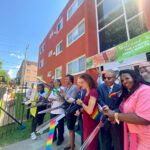
Hundreds of people came out to the ribbon cutting on the two-story townhouse, which is filled with offices, meeting rooms, and a lounge space, last month, the Washington Blade reported.
While statistics are one way to measure the success of programs to help LGBTQ youth, Membreño said that it’s the quiet moments that go a long way.
“The moment one of our trans-identified youth can look in the mirror and completely feel like they are themselves and are going to be loved and appreciated for that, those are our victories on a day to day basis,” he said. “We’ll get them to wherever they want to go, but if they can exist in that safety, and that affirming space, we’re doing our jobs.”