 Eliza Tebo
Residents of a Columbia Heights apartment building who are withholding rent over complaints about their building are due in court today. The hearing could be an early step toward eviction, or it could offer a path toward reconciliation.
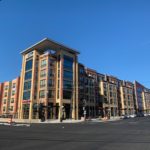
Before launching the rent strike in December, tenants at 3435 Holmead Place NW complained multiple times about their living conditions to their landlord, Urban Investment Partners Property Management. Grievances include mold, rodent infestations, and inadequate security.
Along with organizers from Stomp Out Slumlords, the DC Tenants Union, and Georgetown University’s Kalmanovitz Initiative for Labor and the Working Poor, a group of residents gathered outside the building on Dec. 6 to announce they’d be withholding their rent checks until the problems were rectified.
UIP is challenging some of the striking residents in court after two months of unpaid leases. At 9 a.m. Wednesday, hearings began for residents at seven Holmead Place units at D.C.’s Landlord and Tenant Court. These hearings are part of the process of evicting tenants, but both sides are given an opportunity to work out their dispute before a ruling is issued.
UIP declined to comment for this story.
“Holmead Place serves as a home for hundreds of tenants who are predominantly immigrants or people of color. The poor housing conditions at Holmead Place are typical of the issues that working-class tenants face across the District,” says a press release from rally organizers. “That is why Holmead Place tenants are also joining other D.C. tenants, workers, and housing advocates in fighting for stronger, expanded rent control protections as part of the Reclaim Rent Control campaign so that families like theirs can maintain their place in their communities.”
Juan Reyes, a Georgetown student and organizer with the Kalmanovitz Initiative, says the current goal of the residents on rent strike is to improve living conditions. But Reyes adds that residents could shift to invoking their TOPA rights (a D.C. law that gives tenants a say in the building’s future ownership) if the landlord threatens to sell the building.
“We had a meeting on Sunday with the tenants that are going to court and some other tenants that want to just go and support,” Reyes says. “They seem pumped up, like they know how it’s been living there. They’re not scared, and they know that we’re going together.”
The strike is part of the Reclaim Rent Control campaign, an initiative that aims to expand protections for local tenants when the D.C. Council reauthorizes the rent-control law set to expire at the end of this year. The campaign is led by a coalition of dozens of tenant advocates in the region.
What happens next for Holmead Place residents who are headed to court has yet to be determined. Reyes says organizers are prepared to submit evidence, such as photo documentation of units, as the proceedings continue. Organizers are also providing lawyers to the defendants pro bono.
“We are confident tenants will not lose their case, due to the flagrant housing code violations. If a tenant loses their case, they will simply transfer their rent to the landlord and we will fundraise to pay back the late fees,” Reyes said via email, noting that striking tenants have been paying their withheld rent to an escrow account.
As outlined in the court’s Case Management Plan, sometime after the initial court hearing, the court will enter a judgment “as a result of: default, confession, consent judgment agreement, breach of settlement agreement; or trial.” But what that process looks like, as well as its duration, can vary.
Beth Mellen Harrison, Director of the Eviction Defense Project for the Legal Aid Society of the District of Columbia, says the outcomes for tenants in the eviction process can vary dramatically depending on the presence of legal representation. When tenants have lawyers, she says, they’re more likely to request trials and enter negotiations about what tenants can realistically afford and what repairs need to be made.
“Often, even though the trial might be six months or longer away, many of the cases settle in three or four months,” Harrison says. “Slowing it down that much just really changes the dynamic and makes sure that the tenant’s voice can be heard in the process.”
Last month, residents participating in a nearly 14-month-long rent strike at 1320 Nicholson Street NW scored a victory when their building was sold to a developer chosen by tenants, exercising their TOPA rights.
This story originally appeared on WAMU.