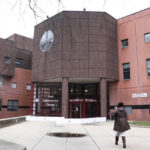
A U.S. District judge on Thursday ordered changes at the D.C. Jail to protect inmates from the coronavirus. The ACLU of D.C. and the Public Defender Service had filed a class-action lawsuit against the Department of Corrections (DOC) on behalf of the inmates.
In a preliminary injunction, Judge Colleen Kollar-Kotelly said the plaintiffs have provided evidence that the DOC was “aware of the risks” of COVID-19 and has “disregarded those risks by failing to take comprehensive, timely, and proper steps to stem the spread of the virus.”
This ruling builds upon and extends a “temporary restraining order” that Kollar-Kotelly issued in April after independent inspectors toured the jail facility and found a number of safety failings. While the judge commended the DOC for taking some steps to improve hygiene and social distancing in the jail, she found many of the issues identified in the restraining order were still present.
The DOC has come under sharp criticism in recent months, as more than 200 of the jail’s 1,300 inmates have tested positive since March, and as of June 1, nearly 470 were under quarantine. One prisoner and one corrections officer have died from the virus, according to D.C. Health data.
D.C. officials say they have reduced the jail’s population by around 500 inmates since the pandemic started. But since the majority of inmates are under some type of federal custody, it’s unclear if they could do much more.
Steven Marcus, a staff attorney with the Public Defender Service, tells DCist / WAMU he’s glad to see the court recognize the jail had failed to take adequate steps to stem the spread of the virus.
Kollar-Kotelly has ordered a number of changes to improve safety, which include making sure inmates have sufficient cleaning products, timely access to medical care, and the ability to make confidential legal calls while in-person visits to the jail are restricted.
The lawsuit also sought the release of more inmates from the D.C. Jail to help mitigate the spread of the virus, which the court declined. But it did order the U.S. Parole Commission to come up with a detailed plan by July 1 for possible future reduction of the inmate population.
Marcus says the next step for his organization will be to work with the Parole Commission on this plan.
The judge has ordered the jail to ensure all inmates in the general population can get medical care within 24 hours of reporting health issues.
The jail relies on inmates to self-report if they are experiencing COVID-like symptoms, using a “sick call slip” system. There have been issues with the distribution and collection of these slips.
The DOC says that, as of mid-May, staff are going around to housing units daily to collect forms. But the court says it’s unclear whether this will address challenges the inspectors identified when it comes to getting a slip in the first place.
“Numerous prisoners described that they don’t have access to the forms that they’re supposed to use to report their symptoms,” Marcus said, “When the court appointed inspector toured the jail and they asked correctional officers for copies of those slips … they were given the wrong form, so there’s a really challenging environment for residents to report symptoms.”
Additionally, the jail was ordered to ensure inmates have access to confidential legal counseling — in-person visits to the facility have been suspended due to the pandemic.
The jail says it recently acquired 50 cellphones, 10 wired headsets and 500 tablets to facilitate communication, with more of these devices on the way, according to the court order. Kollar-Kotelly “credits [the DOC] for efforts to obtain new technology,” but says the new system has not been fully implemented.
“As such, nearly four months into the COVID-19 pandemic, Defendants have not yet developed a consistent procedure for all inmates to be able to make and receive confidential legal calls,” Kollar-Kotelly writes in the ruling.
And for inmates in isolation, Kollar-Kottely says the jail must ensure they have access to personal and legal phone calls, regular showers, as well as clean clothes and linens.
Marcus explains that, if inmates fear they will be unable to shower or contact loved ones while in isolation, they may be less inclined to report their symptoms.
Testing has also been a central issue in legal arguments over the jail. The court notes that testing at the jail has improved, with personnel testing any resident before they are transferred to St. Elizabeth’s Hospital or a federal correctional facility, testing the cell mate of anyone who tests positive and all new arrivals. In early June, the DOC reported that more than half the 1,300 inmates at the jail had been tested for COVID-19.
The court says the jail must continue this increased testing.
The DOC is required to report back to the court by June 29 on its progress implementing these changes.