Martin Austermuhle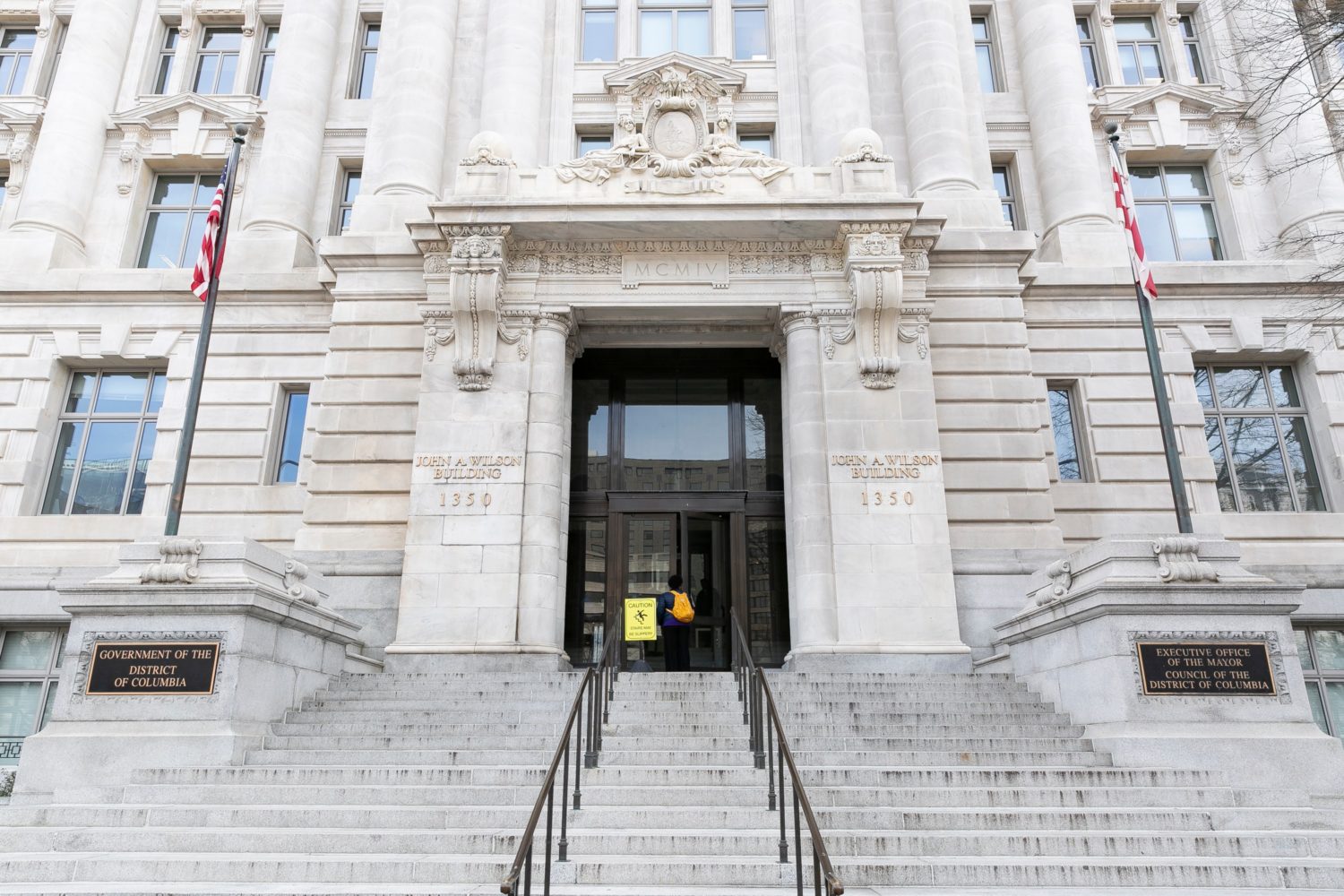
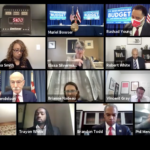
The D.C. Council on Thursday repealed a new and controversial tax on the sale of ads before unanimously approving an $8.5 billion budget for 2021. With the votes, lawmakers closed out a testy and challenging process that saw them grapple — almost exclusively over Zoom — with a budget that for the first time in years didn’t have the benefit of growing revenues.
The final vote on the local portion of the city’s budget was delayed by two days after what some lawmakers called a “debacle” and “dumpster fire” of a debate on Tuesday over a proposed 3% tax on the sale of advertisements and personal data. While the Council signed off on the new tax earlier this month — a move that was expected to raise $18 million a year — growing opposition from local newspapers and small businesses led many lawmakers to reconsider this week.
After a confusing and contentious debate, Council Chairman Phil Mendelson — who had proposed the ad tax to begin with — delayed further consideration of the budget on Tuesday, indicating he would scour the budget for $18 million in cuts so as to repeal the tax. He unveiled those cuts on Wednesday night: a shuffling of some capital spending and a $4 million trim to a proposed increase in funding for behavioral health services.
Still, his proposed cuts drew opposition from progressive advocates, who urged the Council to instead raise taxes on the city’s highest-earners. (A proposal from Ward 6 Councilmember Charles Allen to do just that failed earlier this month.) It also prompted criticism from Ward 1 Councilmember Brianne Nadeau, who said that Mendelson’s changes would turn funding for emergency rental assistance and a homeless outreach program into a one-time outlay, meaning the lawmakers will have to find money for them again next year instead of them being renewed automatically.
“I was not invited to the 11th hour meetings held behind figurative locked doors … to make decisions about the people’s budget,” Nadeau tweeted. “I have to say that I have never been so proud to not be invited to the popular kids table.”
Nadeau and At-Large Councilmember David Grosso were the sole votes against the cuts in funding to allow the new tax to be repealed. The entire budget later passed without opposition.
The COVID-19 pandemic presented novel challenges to a budget season that in recent years has been marked by ever-growing revenues the city could spend on programs and services. Not only did it delay Mayor Muriel Bowser’s crafting of her spending plan for the 2021 fiscal year, which starts on Oct. 1, but it led to an almost immediate $770 million decrease in revenues lawmakers had initially thought would be available.
Bowser’s proposed budget leaned heavily on the use of reserves and a pay freeze for city employees to close the $770 million hole, and generally kept funding flat for many programs and agencies. And while the Council made changes to her budget — including a slight adjustment to the police department’s budget and $60 million in new revenue generators to pay for housing programs and economic relief for undocumented residents — progressive groups demanded that lawmakers consider broad tax hikes on well-to-do households to help address the impact of the pandemic, which has disproportionally fallen on Black and brown communities.
That drew opposition from Mendelson and a number of his colleagues, who wanted to avoid what they called a “tax-and-spend” approach while saving any possible tax increases for what could be further bad economic news in the fall.
“While we have not met the costly demands of the most strident [advocacy] groups, we have done a lot,” he said on Thursday. “Look at these changes we’ve made and don’t preach to us about morality.”
But that drew more pushback from advocates. “The phrase ‘we have to make tough choices’ is always used as justification to screw over poor people and never as a justification to tax rich people,” tweeted Jesse Rabinowitz, an organizer with homeless services provider Miriam’s Kitchen.
Speaking as the budget debate wound down, Allen said the idea of raising taxes on wealthy residents would have to be considered again — and likely soon: “We are going to have to look at equitably asking something from everybody. We’re going to have to turn to our wealthiest households [to provide more].”
Mendelson could remain an obstacle to any such proposals, though. In a statement on Wednesday night, he lambasted the last-minute tax increases the Council did approve before a first budget vote in early July. (Critics noted that Mendelson’s own ad tax, which was passed and then had to be repealed, was itself a last-minute idea; then he admitted “regret” for introducing it.)
“It is clear that the Council has drifted toward ad hoc tax proposals focused on spending, without thoughtfully considering the implications of the taxes themselves — or the need for better spending,” he said.
Mendelson said he would soon move forward on a bill to reestablish the city’s Tax Revision Commission, which in 2014 proposed a series of tax changes the Council ultimately adopted.
As the Council closed in on a final vote on the 2021 budget, some lawmakers said that despite testy fights over taxes and spending, they believed they managed to make the best of a difficult situation. But others said work was still left to be done, even more so because of the uneven impact of the pandemic.
“We need to pull together as a city to overcome COVID … and to be a better city. I’m disturbed that there’s an us-versus-them approach to some of these votes,” said At-Large Councilmember Elissa Silverman. “I hope in the future that we really will work together as a body with the public to overcome the major challenges that face our city, the racial inequity in our city.”