 Dominique Maria Bonessi
Marylanders have overwhelmingly approved legalizing sports betting, but it may take more than a year before they can make their first legal wager.
State voters approved of the ballot question by a 2-1 margin on Tuesday. Proceeds will be used to help fund K-12 public education. The Maryland legislature has some work to do before sports betting actually begins in the state though.
Maryland joined 17 states, including Virginia, in legalizing sports betting, in addition to the District. The state Senate voted for a sports betting referendum, 47-0, earlier this year. But it still needs to vote on enabling legislation to get the industry up and running when it reconvenes in January. Under the law, a licensee would have needed to pay a one-time application fee of up to $2.5 million and renew it annually at an additional charge.
Jeff Ifrah, founder of a law firm bearing his name that covers the local gaming industry, says the new law will probably allow for retail betting licenses at places like horse racing tracks, casinos, and other sports stadiums.
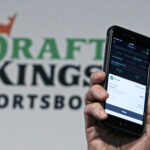
He says it’s also likely to allow mobile sports betting licenses for people to place wagers on their phones through an app. It’s not clear whether Maryland will open up for existing apps like FanDuel and DraftKings. Those are the kinds of decisions state lawmakers will make next year.
Virginia is the only other state that has already made both options possible.
Ifrah told WAMU/DCist that bettors may not be able to place their wagers in Maryland until Super Bowl 2022. Assuming [legislators] could get all their ducks in a row,” he says, “I would think that it’s not totally unrealistic for them to be done by the end of next year and ready to stand up some initial licensed operators.”
Before that can happen, legislators must first conduct a “disparity study” to determine if racial minorities or women face a disadvantage in participating in the gambling industry. If so, legislators will need to create provisions to even the playing field.
“Maryland is really the first state to say, ‘hey, we’re actually going to … set aside essentially a license for a minority-run business,’” Ifrah said. “Now, the details of how that will work are not clear.”
There are a lot of questions left unanswered Ifrah says, including: Does the minority group need to own the business? Does the minority need to just be a partner in it? Do they need to be running operations? How are they going to meet the cash reserve requirement?
Similar questions arose when Maryland legalized the medical cannabis industry in 2013 and many minority and women owned businesses were shut out of it. In 2018, the legislature had to pass additional provisions to diversify the industry.
While this legislation may take some time, Ifrah says, Maryland could “get left behind” from neighboring states that have already legalized the industry. Washington Football Team Owner Dan Snyder has reportedly approached officials in both Maryland and Virginia seeking assurances that he would be able to operate a legal sportsbook should he choose to build a new stadium in either state. Team officials declined requests for comment.
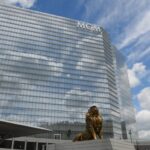
Other industries in Maryland also have skin in the game. The MGM National Harbor casino in Oxon Hill, Maryland, spent $500,000 to bolster the sports betting effort in the state.
“We’ve spent a lot of time and energy already thinking through how to bring the best and most exciting amenity to our consumer,” Jorge Perez, president of the MGM Grand Resorts, told WTOP. Perez said that planning includes both a physical sports book that would operate at National Harbor, as well as a mobile app run by MGM.
Sports betting could generate up to $20 million a year, according to the state’s Department of Legislative Services. Democratic legislators are pushing a $32 billion education reform bill to help low-income school districts.