Matt Blitz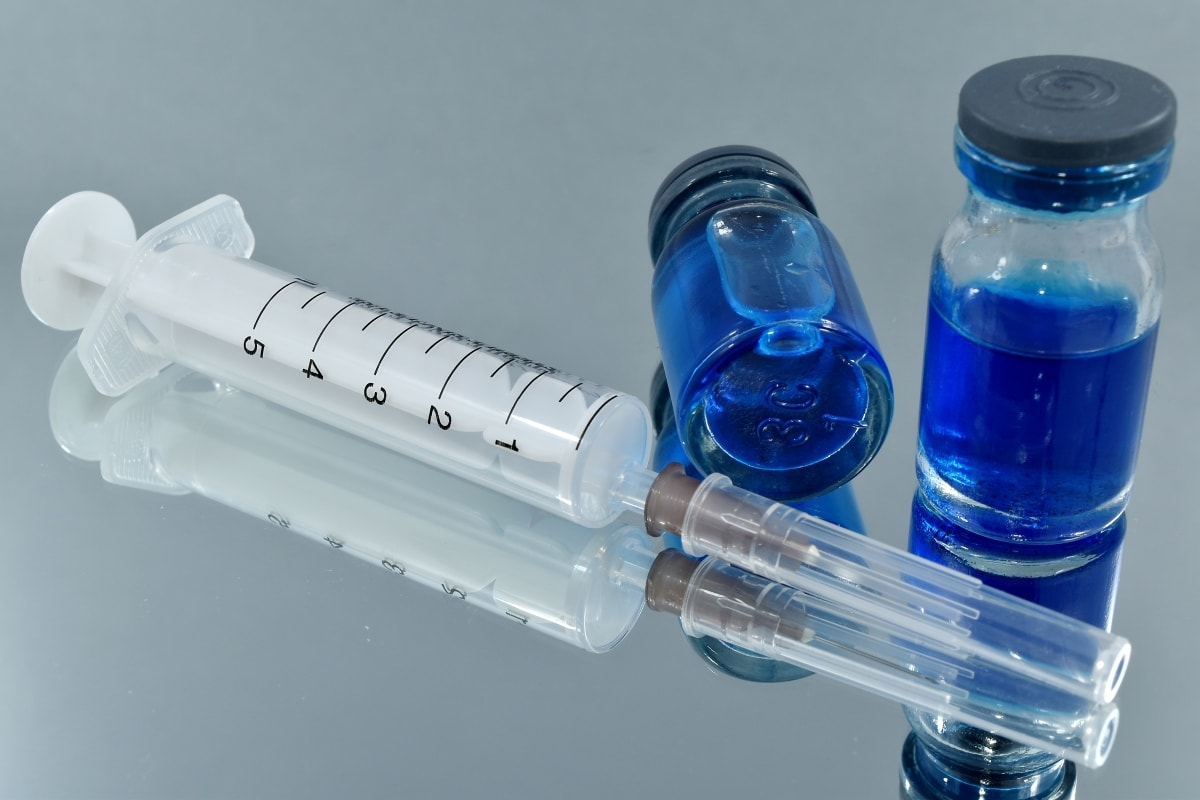
As the world reacted to news Monday that a second vaccine was found to be very effective in preventing illness from COVID-19, hundreds of locals can take credit for helping researchers discover some very important details about the new vaccine.
Of the 30,000 volunteers nationwide for the late-stage trials for the Moderna vaccine, nearly 350 are part of the study conducted at George Washington University, one of 90 such research sites in the U.S.
All of the volunteers who were part of the GW trials are from D.C., Maryland, or Virginia.
Each volunteer received two injections, administered 28 days apart. Half of the volunteers received the vaccine, while the other half received a placebo. As long as they completed each check-in, volunteers will receive compensation totaling $1,000 over the two-year monitoring period.
Dr. David Diemert, the principal investigator for trials being conducted at GW, says there were three big takeaways from these trials.
One is that of the 349 individuals taking part locally, only one — so far — has been officially diagnosed with COVID-19. Since it’s a blind trial, it’s unknown if that individual received the vaccine or a placebo. But, either way, Diemart says it’s extremely encouraging.
He does caution that as cases continue to rise regionally, there may be more individuals in the trial who come down with the virus. “We might be contributing more cases to the overall total in the study in weeks, months to come,” says Diemert. “It’s not something I hope for, but it might unfortunately happen.”
It was also observed there was a higher likelihood of individuals having reactions after the second dose. This included pain at the injection site, headache, body aches, fatigue, and sore muscles. Diemert says that this happened to “less than 5%” of those that got the vaccine and the reactions were short-lived, often for less than 24 hours.
“We started to actually warn people who were coming in for their second dose that they might have more intense reactions after the second dose,” says Diemert.
One such volunteer who experienced side effects was Ward 3 Councilmember Mary Cheh, who enlisted herself in clinical trials for the Moderna vaccine earlier this year (though, through the National Institute of Health and not GW). She told the D.C. Council during their pre-legislative breakfast meeting on Tuesday morning that she experienced fatigue and soreness after receiving the first dose. Since it is a blind study, it is not known if she was given the vaccine or placebo. Cheh noted that she donated “vampire-like” amounts of blood to the study. Deputy Mayor of Health and Human Services Wayne Turnage also participated in the trials.
Diemert was also encouraged by the retention rate of the volunteers, since this particular vaccine requires two doses spaced apart. Diemert said “close to 100%” of the volunteers came back for the second dose so far. Most volunteers have received their second dose already, though the last group will be receiving their second dose this week.
Scientists are concerned that vaccines requiring two shots may result in some individuals not getting the second dose.
Diemert says their findings at GW do not stray far from the findings at other trial sites across the country.
He also noted the demographic make-up of their volunteers, something he also spoke about on the Kojo Nnamdi Show in September.
Of the 349 volunteers enrolled in the GW trials, more than half are people of color, Diemert says. Just under 40% of the volunteers are over the age of 65. There was also a “significant number of HIV positive individuals” enrolled as did others with chronic conditions.
Neither children nor pregnant women were part of the trials at GW or at any other Moderna vaccine trial site.
As for what’s next for the local volunteers, they will continue to be monitored and assessed by researchers for two years after receiving their second dose. This is being done to make sure there are no long-lasting side effects and to know how long the vaccine is effective.
“We need to know how long the protection and the immune response lasts. We have kind of short term data right now,” Diemert says, “but we need to make sure that lasts another six months, a year, two years.”
All that being said, he’s very encouraged by what he’s seen at his trials at GW and the statistics nationwide. He believes that by mid to late December the Moderna vaccine with its 94.5% effectivity rate will be available for distribution to select groups.
“The vaccine prevented about 95% of all cases,” says Diemert. “As vaccines go, that’s probably the best you could ever hope for. It is an astounding efficacy.”
This story has been updated with Councilmember Mary Cheh’s remarks to the D.C. Council and clarification about her participation in the trials. Elliot Williams contributed reporting to this story.