 Jordan Pascale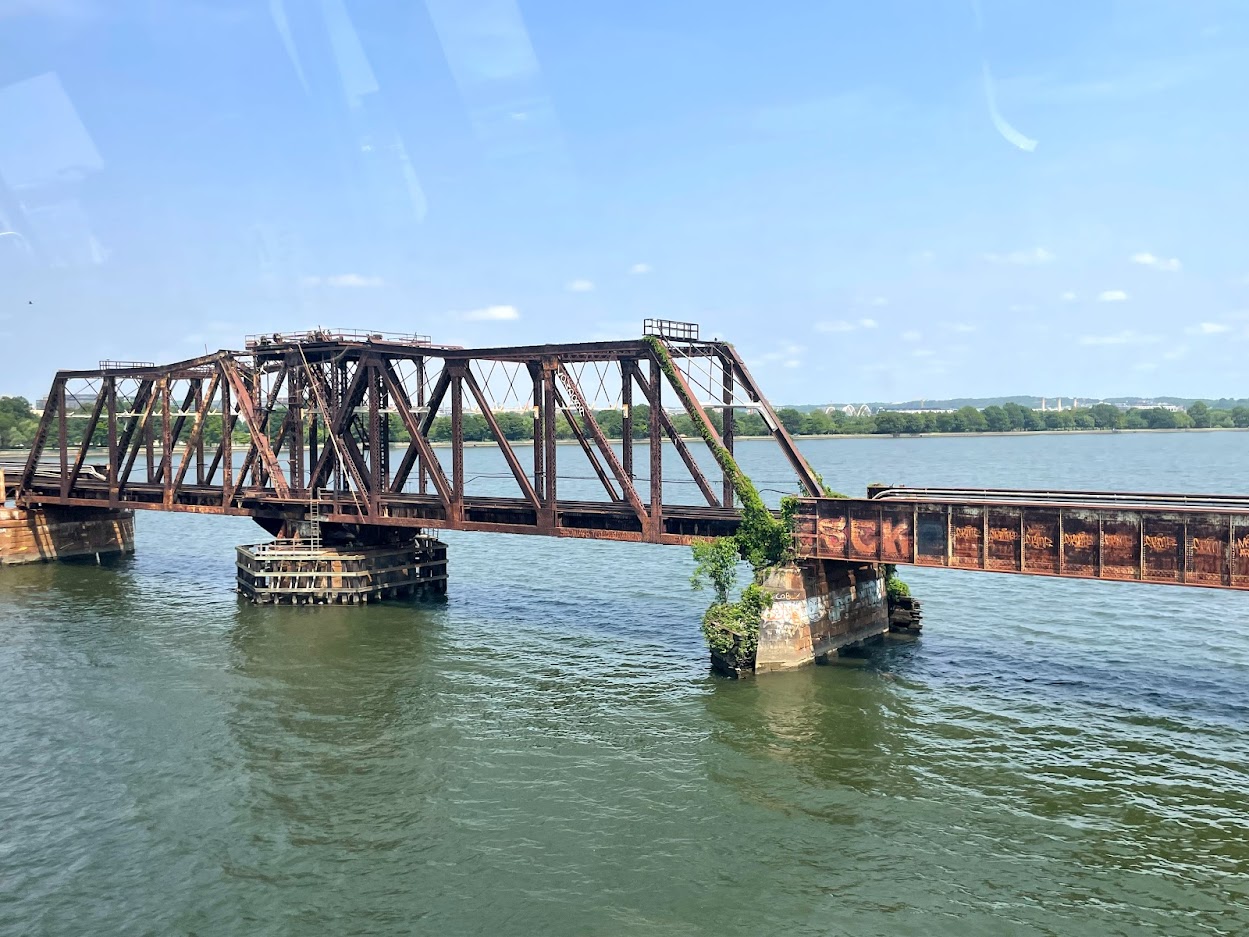
Local officials are celebrating the coming windfall for transportation and infrastructure projects around Maryland, Virginia, and D.C. after the U.S. Senate passed the largest infrastructure bill in history earlier this week.
The Senate voted 69-30 on Tuesday to approve a $1 trillion bipartisan infrastructure bill, which heads next to the House of Representatives — where it faces more challenging prospects.
If passed there, it would go to President Joe Biden’s desk — kicking off a significant flow of federal funding streams for local projects ranging from Metro upgrades to increased rail service between D.C. and Virginia.
Overall, the bill includes:
- $110 billion, for roads and bridges
- $73 billion for electric grid and power infrastructure
- $66 billion for passenger and freight rail
- $65 billion for broadband investments
- $55 billion for water systems and infrastructure
- $50 billion for Western water storage
- $39 billion for public transit
- $25 billion for airports
- $21 billion for environmental remediation projects
- $17 billion for ports and waterways
- $15 billion for electric vehicles
- $11 billion for road safety
Sen. Chris Van Hollen (D-Maryland) said the country needs to fix crumbling roads and bridges, invest in transit, and modernize infrastructure to grow the economy and tackle climate change in the 21st Century.
“This bipartisan bill is a serious down payment on those priorities — with the resources our state and our nation need to not just build back, but to start to build back better,” Van Hollen said in a statement.
Virginia senators Tim Kaine and Mark Warner expressed similar happiness with the bill’s passage.
“We’re thrilled to have voted today to bring this legislation one step closer to becoming law,” they said in a joint statement. “This bill will make important investments in our nation’s recovery and long-term economic stability. By putting Americans back to work in good-paying jobs and working to fix our crumbling infrastructure, we will help spur economic growth and ensure the U.S. leads the world in innovation. We’ll continue working to help Virginia recover from the widespread job losses we’ve seen over the past year and build back better for generations to come.”
Below are some of the financial windfalls the Washington region could see.
Regional
• Reauthorization of the Passenger Rail Investment and Improvement Act, which will give WMATA $150 million annually for the next eight years. The money will go toward Metro’s capital improvement program to maintain and reinvest in the system’s infrastructure. It also provides money to WMATA’s inspector general to improve oversight and safety.
• $238 million for the Chesapeake Bay Program for ecosystem resiliency and restoration. The money would improve the health of the Chesapeake Bay and meet the pollution reduction targets laid out in the Bay Agreement.
Virginia
Virginia has 577 bridges and 2,124 miles of highway in poor condition. The commonwealth is expected to get more than $8 billion, according to a White House fact sheet.
- $7 billion for highways
- $1.2 billion for public transit
- $537 million for bridge replacement and repairs
- $100 million to expand broadband, including providing access at least 473,000 Virginians who currently lack it
- $106 million to expand the electric vehicle charging network
- Money to help pay for the part of the $1.9 billion Long Bridge project, which would add capacity for rail traffic between Virginia and D.C.
Maryland
Maryland has 273 bridges and 2,201 miles of highways in poor condition. Maryland is expected to get an estimated $6 billion, according to a White House fact sheet.
- $4.1 billion for highways
- $1.7 billion for public transit
- $409 million for bridge replacement and repairs
- $150 million to expand broadband access
- $100 million to expand broadband, helping connect 148,000 Marylanders who don’t have high-speed internet
- $63 million to expand the electric vehicle charging network
- $5 million for a transit workforce development and training center in Silver Spring
District of Columbia
D.C. has eight bridges and 402 miles of highway in poor condition. The District is expected to get an estimated $2.8 billion in funding, according to a White House fact sheet.
- $1.2 billion for public transit
- $1.1 billion for highways
- $355 million to improve water infrastructure
- $225 million for bridge replacement and repairs
- $17 million to expanded the electric vehicle charging network
- $100 million to expand broadband, helping connect 14,000 District residents who don’t have high-speed internet
- $10 million to protect against cyberattacks