Near the corner of 8th and I in Northeast D.C., there’s a two-story cottage that’s currently for rent. It’s a pleasant home staged with neutral, magazine-friendly decor that seems like a fairly typical example of D.C. real estate, but beneath its trendy, exposed brick walls is a more radical history. More than 30 years ago, this property was known as the Enik Alley Coffeehouse (named for cross streets Eighth, Ninth, I, and K), and it was a crucial arts venue for the Black gay community.
This nearly forgotten space was in operation from 1982-1989 and its history is documented in the 35-minute film, Fierceness Served! The ENIK Alley Coffeehouse, playing in D.C. at this year’s Reel Affirmations Film Festival.
Now in its 29th year, the festival runs from October 20-23, with selected in-person screenings taking place at E Street Cinema, and all titles available to stream online. Feature-length highlights in this year’s fest include Nelly and Nadine, an documentary about two women who fell in love in 1944 the most unlikely place: the Ravensbrück concentration camp; Impresario, a profile of Marc Huestis, also known as the impresario of Castro Street; and When Time Got Louder, a drama about a woman torn between exploring her sexuality and caring for her autistic brother.
Fierceness Served! was directed by Michelle Parkerson, who was part of the Enik Alley Coffeehouse scene and has directed profiles of Black artists such as Betty Carter and LBGTQ+ icons like Audre Lorde. The film tells the rich story of a performance venue and gathering place that looms large in the city’s cultural history but is less remembered than the storied d. c. space, an arts venue where residents could catch punk shows and poetry readings (that era’s equivalent of The Black Cat combined with Busboys and Poets).
Enik Alley began with nightclub manager Ray Melrose and his partner Gary, who started using the carriage house behind their I Street NE home for parties and arts events. The venue quickly became a meeting place for pioneering activist organizations like the Black lesbian group Sapphire Sapphos, and the D.C. Coalition of Black Lesbians, Gay Men and Bisexuals.
Performers included groups like R&B group The Four of Us and artists like Essex Hemphill, one of the guiding lights of the Enik Alley scene, whose poetry performance “What Will Be Bombed Today” was a response to the Philadelphia police bombing of the homes of the Black liberation group MOVE that killed 11 people.
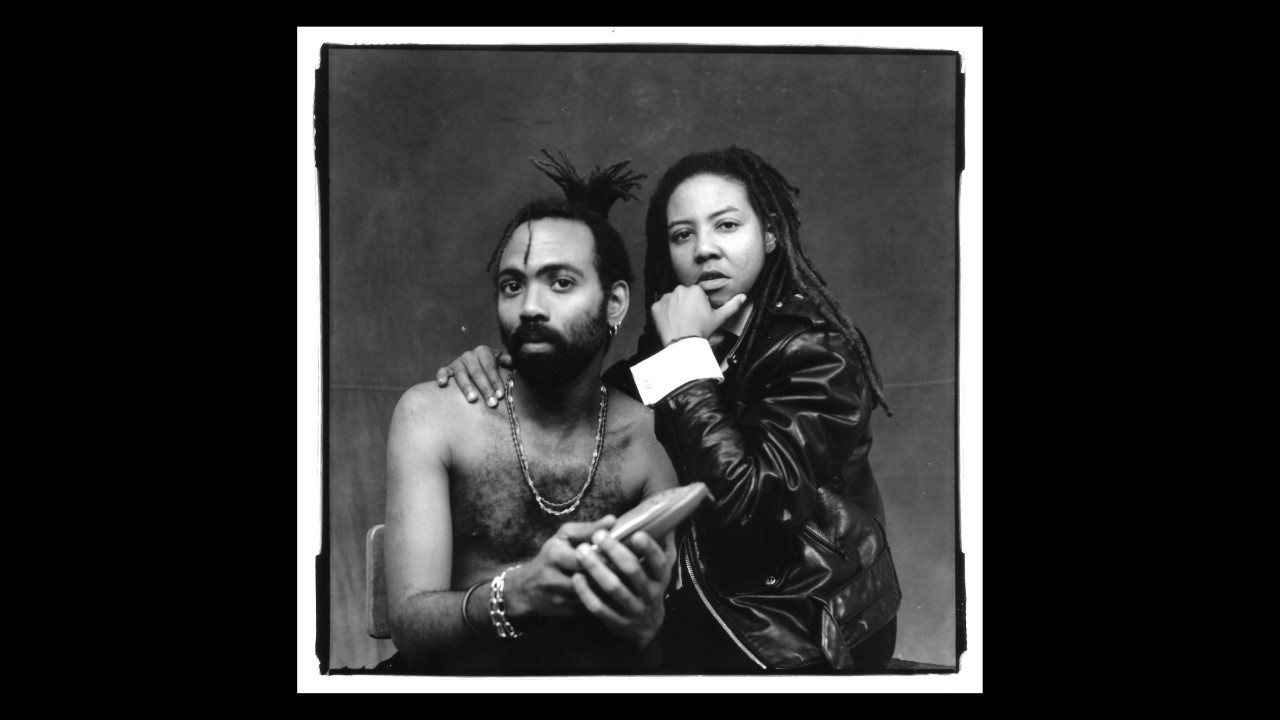
The film was spurred in part by Enik Alley Coffeehouse performer Wayson Jones, who attended a National Gallery of Art program about d. c. space in 2019 and left enraged that the Black community’s participation was omitted. Jones talked to his friends from the Coffeehouse about this perceived slight, and they decided to tell their own story.
Christopher Prince, a poet and activist who was the project director for Fierceness Served!, says that despite the omission, he remembers the Coffeehouse and the National Gallery of Art having “very successful and comfortable relationship.” Prince and his circle actually moved on to the d. c. space stage after Melrose got a job there as a manager. “Ray introduced the people who booked acts at d. c. space to that Coffeehouse cohort,” Prince says.
The same can’t be said for some of the area’s gay nightclubs, like the Lost and Found, which would require Black patrons to show three photo IDs. “They wanted it to be a white atmosphere. They would do it to women too,” Prince remembers.
The area around 8th and I streets NE was dangerous in the ’80s, a hotspot of the violence and crime that many believed was sweeping the nation’s capital.
“The crack epidemic was going on. The neighborhood was still devastated by the riots that followed the Martin Luther King assassination,” he says.
The very alley that housed the Coffeehouse was the scene of the 1985 murder of 49-year old housewife Catherine Fuller, which made national headlines at the time, both for its shocking violence and for police allegations that it was tied to the rise of gangs. (It also made headlines 32 years later as part of a Supreme Court case.)
Prince says that for the gay community, however, nowhere was safe.
“If you were flamboyant, you were in danger anywhere. I wouldn’t say that part of town was more dangerous than any other,” he says. “Our entrance was in an alley, in the middle of a block, so you had to walk down this alley. That put you in danger more than anything else.”
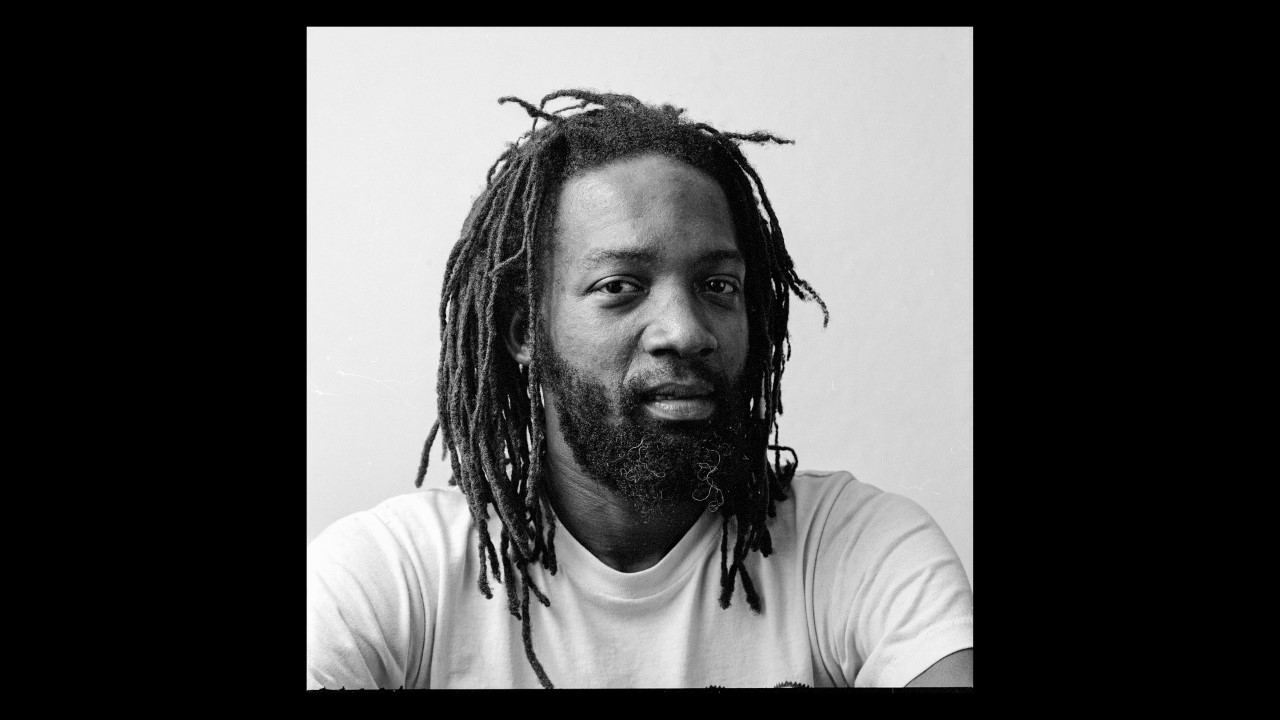
But for Coffeehouse customers, braving that alley meant eventually entering a safe space.
“You would go in there and forget where you were. It would transport you. It had a camaraderie, it had love, it had nurturing,” says Prince.
It also had a surprising list of patrons.
“Marion Barry came to the Coffeehouse more than once,” Prince said. “Barry was not afraid of courting the gay community and coming where we were to solicit our votes.”
While there are photographs and audio recordings of Coffeehouse performances, unfortunately no film footage exists. To get around this, the producers of Fierceness Served! reenacted some of the venue’s most notable pieces, including “Alpha Waves Disruptions,” a poem that Hemphill performed at the venue. The piece is arranged in the film with a lead speaker and a masked Greek chorus in a way that suggests Afrofuturism, although Prince points out that the original work was conceived years before that word was coined.
The Coffeehouse shut down in 1989 for the most prosaic of reasons: the venue’s hosts, Ray and Gary, broke up. Owing to time and budget constraints, Prince says that Fierceness Served! doesn’t tell the whole story. He would like to have included the story about the migration from venue to venue, as well as expand on performers like Dwight Talley, a singer-songwriter who led a popular trio at the venue, and was one of the first of the Coffeehouse community to die from AIDS-related complications.
Some of those relationships were cut short.
“The AIDS epidemic was devastating to our community,” Prince laments.”It was a culling that took away a lot of the energy and some of the brighter minds. The vacancy echoes through time. I sometimes just wonder what Essex [Hemphill] would be writing about if he were still alive today.” Hemphill died of AIDS-related complications in 1995.
816 I Street NE looks very different today but Prince remembers a “rustic” space. “There was no heat, no air conditioning, so you suffered the elements,” he says. It was the kind of venue that would likely run afoul of 21st century safety codes.
Prince explains what it used to be like in the upstairs area that now serves as a cozy bedroom. “There was a big rectangular hole in the middle of that floor. We suspected that was like a hayloft. When we performed there there was a banister around the hole, and people would sit there with their legs dangling over the hole and watch the performances below.
“It was a small space. But it was a welcoming space.”
Fierceness Served! is available to watch online via the Reel Affirmations Film Festival Oct. 20-23. The festival will also screen several other films in-person at E Street Cinema. Order tickets for both virtual and IRL screenings here.