Elliot C. Williams
 Sarah Y. Kim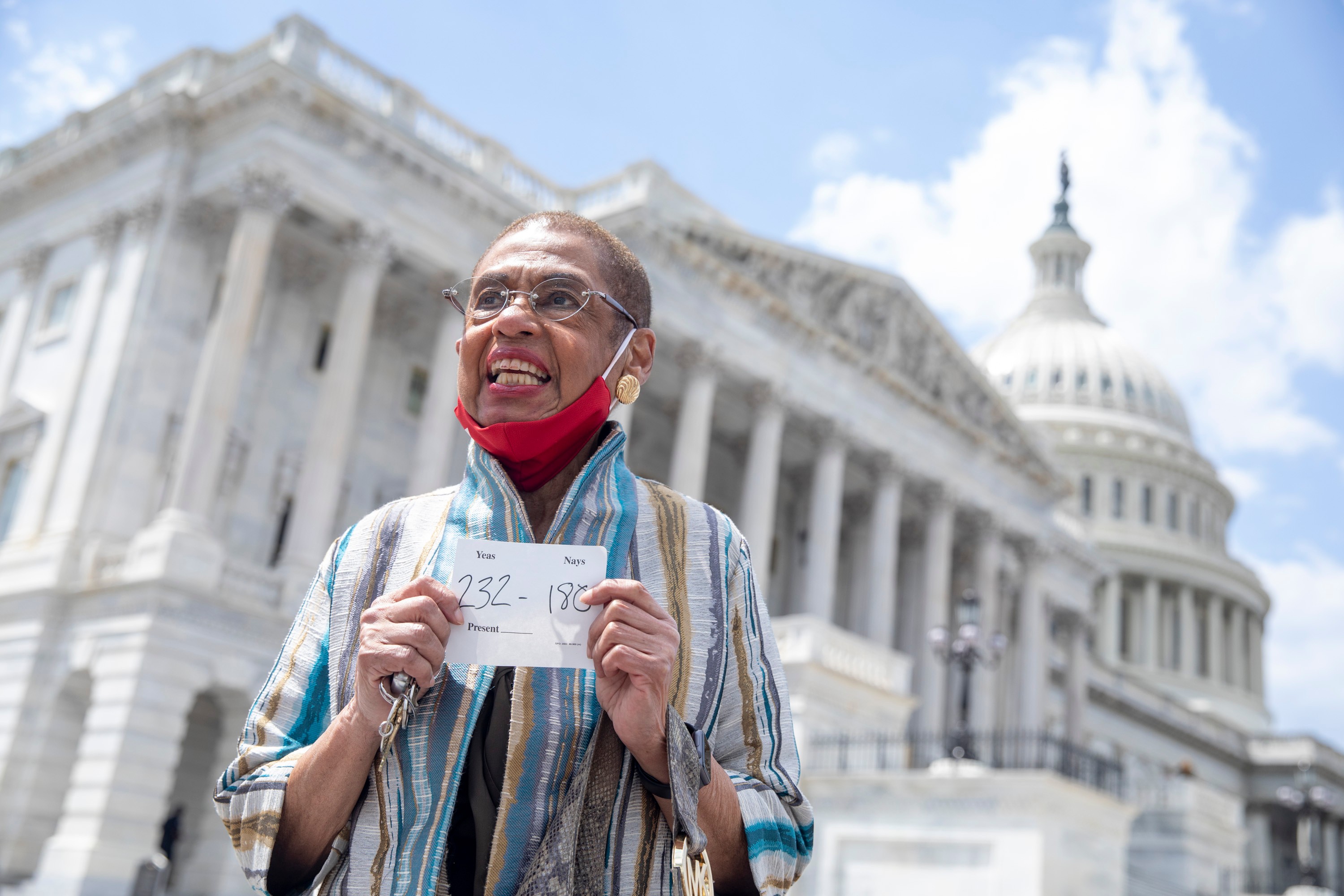
D.C. Del. Eleanor Holmes Norton planned to introduce her D.C. Statehood bill to the 118th Congress Tuesday, when the governing body held its first session. Despite its long-shot odds, the move is something of a tradition for the delegate, who introduces the bill on the first day of the Congressional session each year.
But there’s some important recent history here.
In 2020, the bill passed the House for the first time — and it passed again in April 2021. The bill faces an uphill battle, however. Though the Senate retained its Democratic majority, Republicans flipped the House by a narrow margin in the November elections. Republicans have historically been staunchly opposed to the measure, which would create another majority blue state.
And yet, the political landscape never seems to shake Norton’s push for statehood. Norton said in a press release that 143 of her fellow House members had signed on as co-sponsors to the 2023 version of the bill.
https://twitter.com/EleanorNorton/status/1610283404607778817
President Biden has said in recent years that should Congress pass a statehood bill, he would sign it into law.
Proponents of statehood argue that D.C. residents deserve the same representation as other U.S. citizens because they fulfill other responsibilities like paying federal taxes, doing jury duty, and serving in the military. They also argue that D.C. has the population of a state — at about 672,000 residents — and can afford to be one.
Should D.C. become a state, it may become known as Douglas Commonwealth, to honor abolitionist Frederick Douglass, as opposed to the District of Columbia — a name derived from Christopher Columbus.