Amanda Michelle Gomez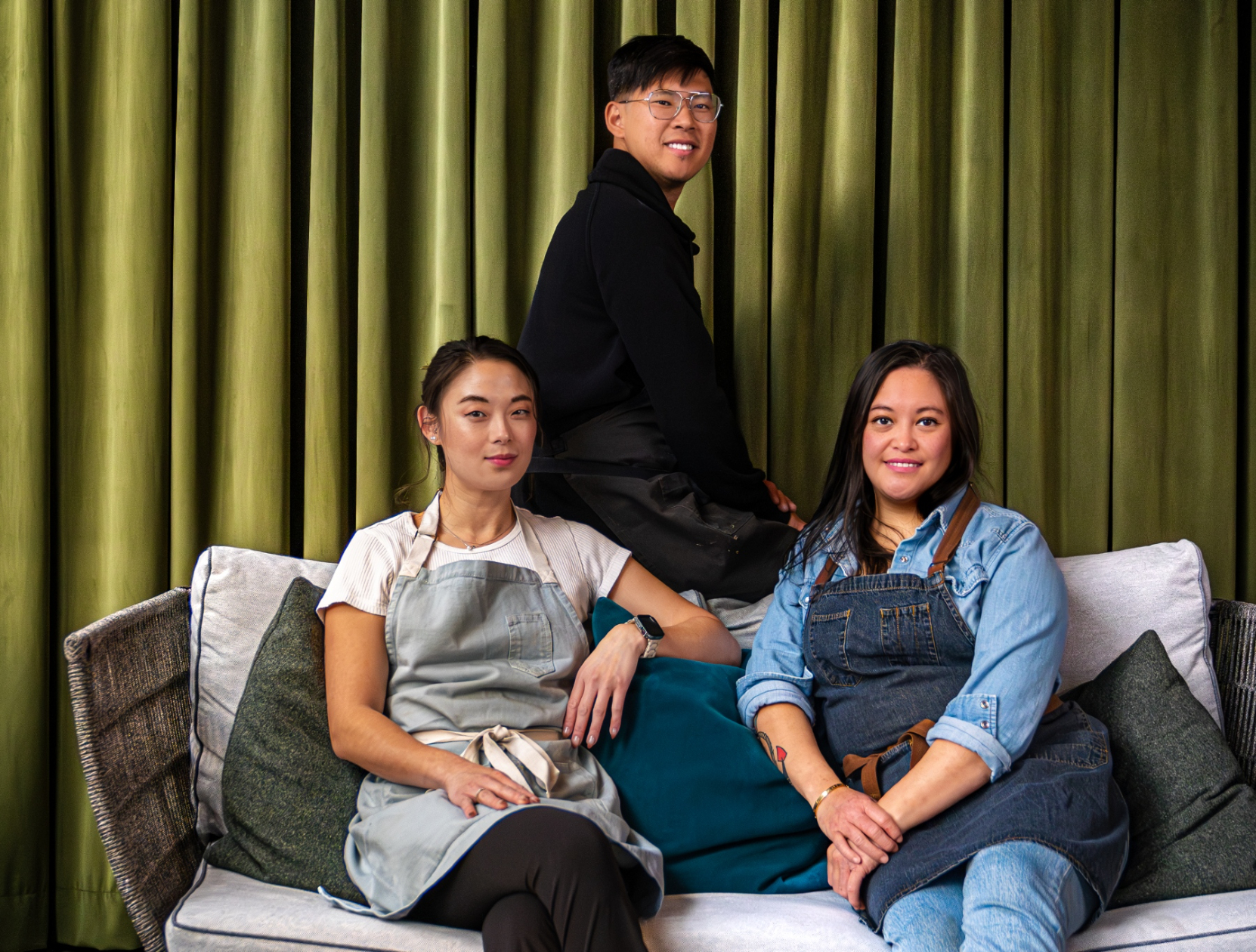

Beloved Vietnamese restaurant Moon Rabbit, which suddenly closed last spring, will reopen Monday with the same award-winning chef, Kevin Tien, and staff but in a new location with a revamped menu and dishes.
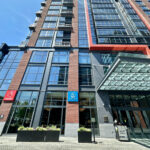
The restaurant, located in Penn Quarter at 927 F Street NW, jump starts an ambitious play for Tien. Not only will he own Moon Rabbit 2.0 — the previous iteration was owned by the hotel in which it was located — but he hopes it becomes one of many AAPI-owned restaurants and businesses to open and flourish in Penn Quarter/Chinatown.
Because despite the Chinese characters on storefronts, D.C.’s Chinatown is not a hub for AAPI businesses, and so many locals head out to the suburbs to get a taste of those cultures instead.
“My dream is to rebuild the AAPI community in this part of town,” Tien tells DCist/WAMU.
It all starts at the new Moon Rabbit, whose previous iteration won best restaurant lists in Food & Wine and Esquire and landed Tien on the short-list for Outstanding Chef of the Year from the James Beard Foundation last year. Tien co-owns the 128-seat restaurant with co-chef Judy Beltrano, pastry chef Susan Bae, and Alan Vo, who operates Tien’s other fast-casual restaurant, Hot Lola’s. There are no other investors, according to Tien.
“This is literally us, pinching every penny we can to get open,” Tien says.
People who patronized the previous Moon Rabbit location are familiar with the food of southern Vietnam, the region where Tien’s family is from. But the new version wants to take diners on a culinary adventure through the other parts of the vast country as well, Tien says, with dishes like mì quảng, a tumeric noodle dish that is a staple of Central Vietnam.
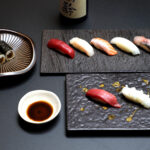
Expect plates of varying sizes ranging in price from $8-$32 that are meant to be shared. The menu is seasonal and subject to change. Moon Rabbit will open with bread service consisting of duck fat brioche with a side of condensed milk whipped butter (for a fee), small plates including wagyu beef wrapped in betel leaves with labne, fermented honey, and pickled shallots (a southern Vietnamese dish called bò lá lốt); stuffed squid that’s filled with boudin sausage, charred eggplant puree, peanuts, and herbs (a central Vietnamese street food); and shrimp agnolotti with consomme, radish, and lime leaf oil (a type of Chinese dumpling called sủi cảo).
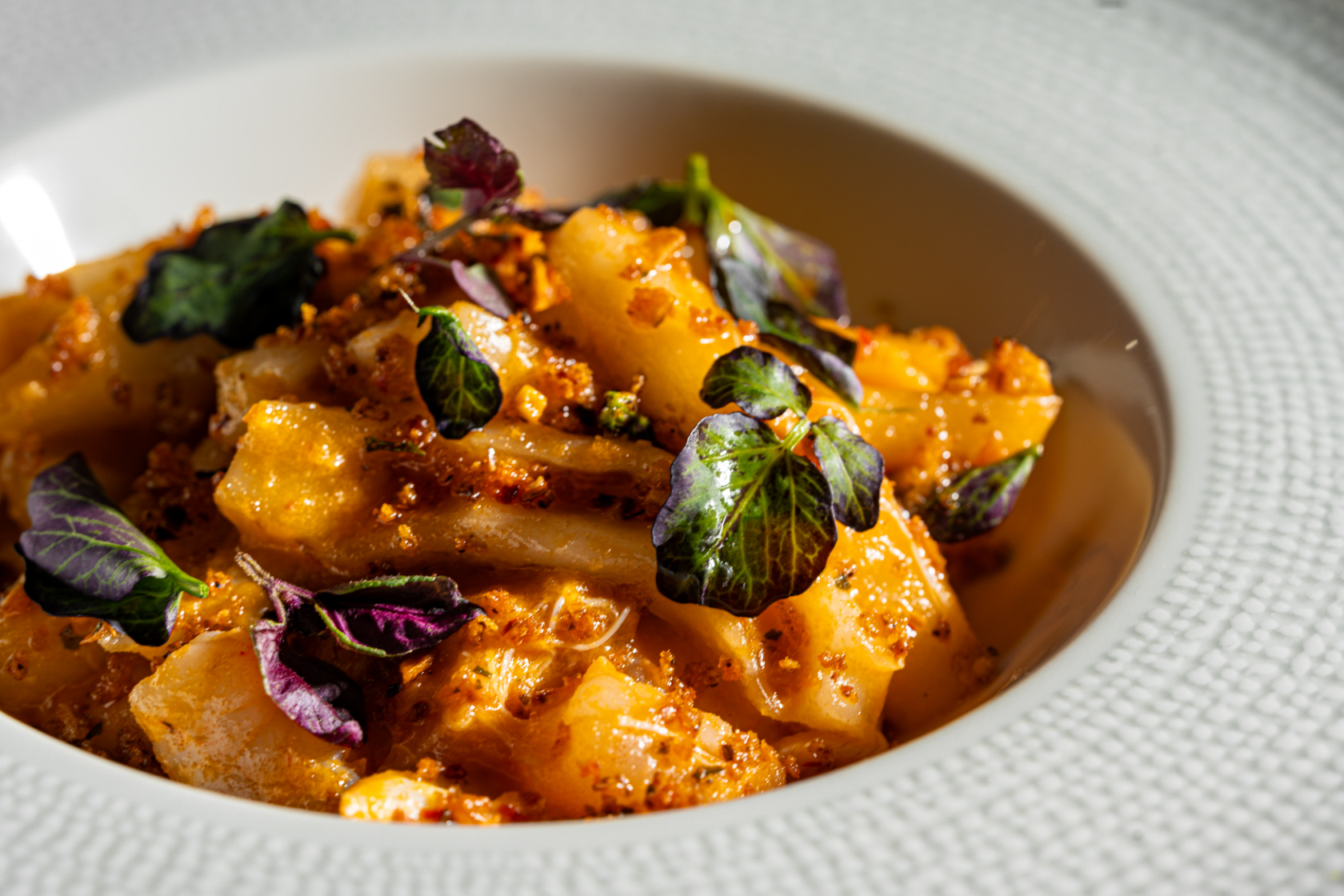
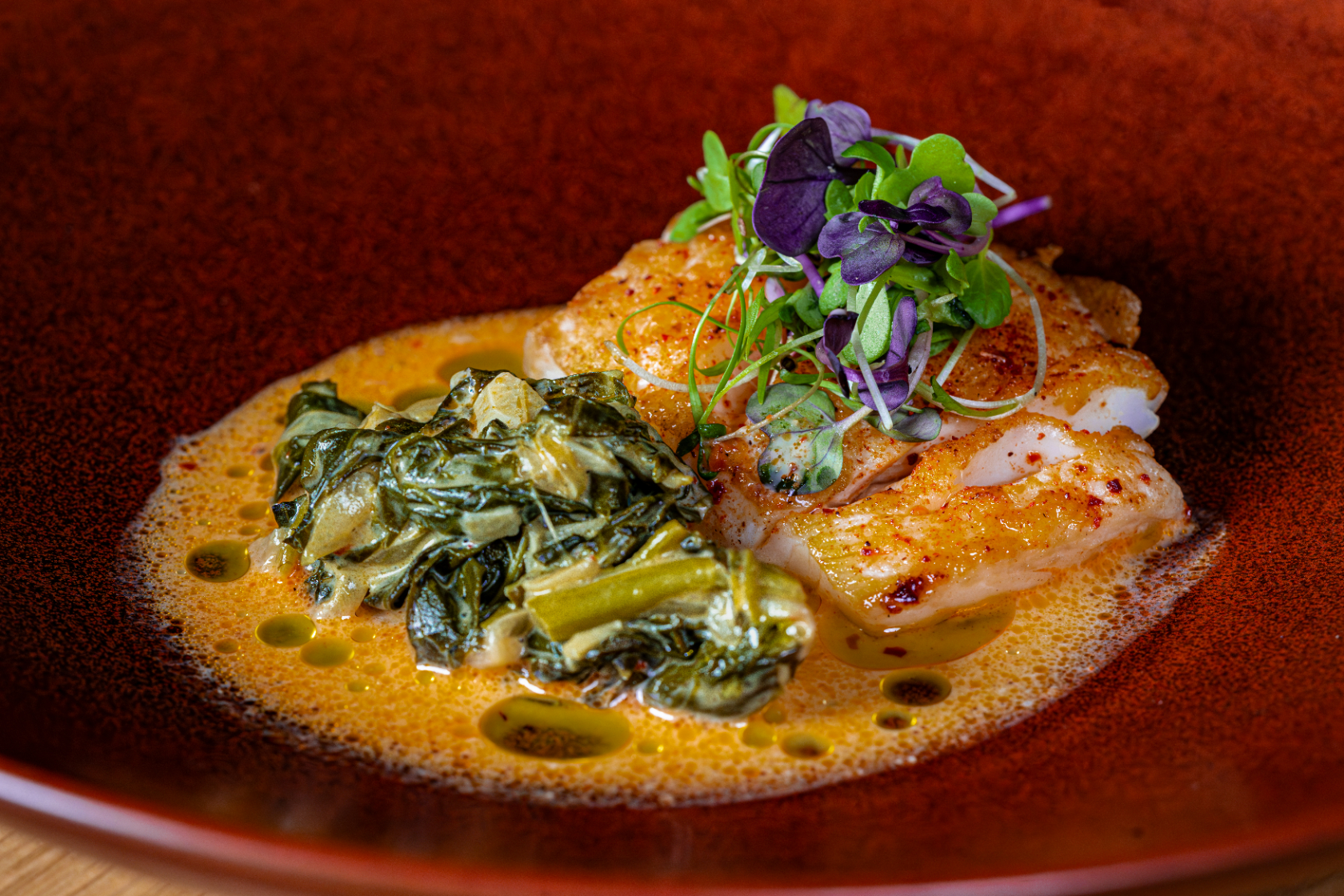
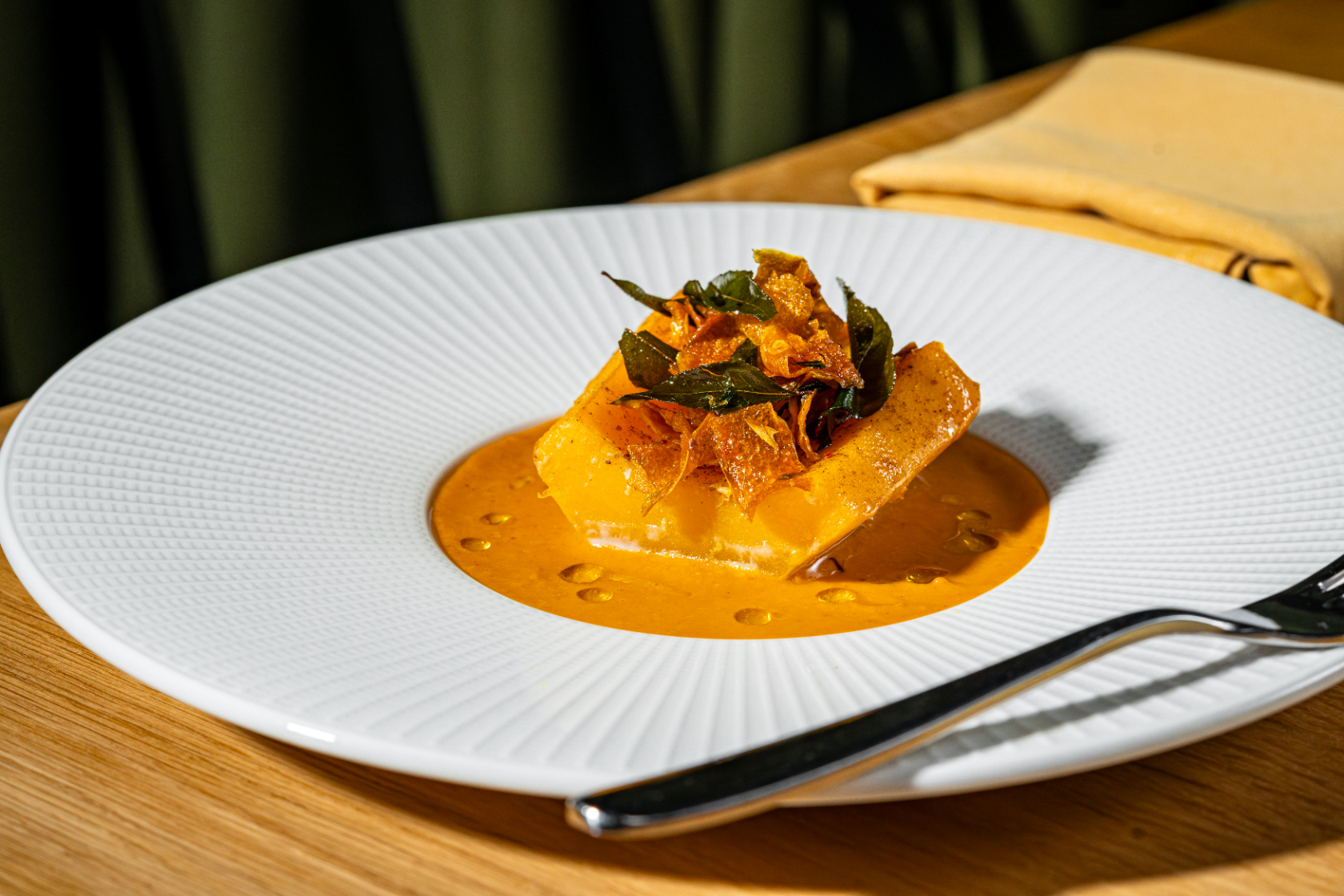
Larger plates include Tien’s take on bánh canh (a Vietnamese thick noodle soup) which is prepared as gnocchi pasta that’s tomato based and crab fat filled. There’s also barbecue cod with a side of collard greens and fish balls in a tom yum coconut broth.
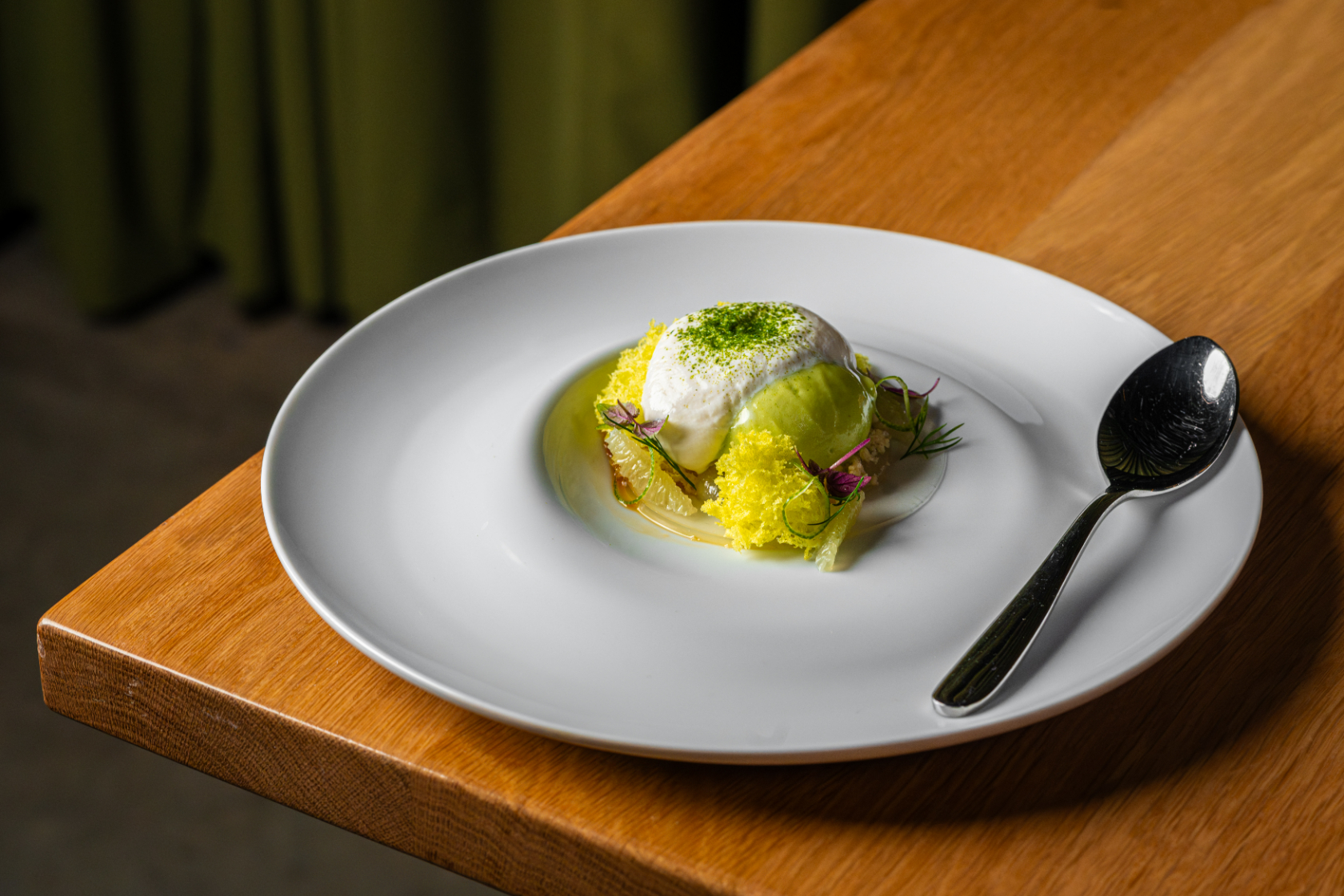
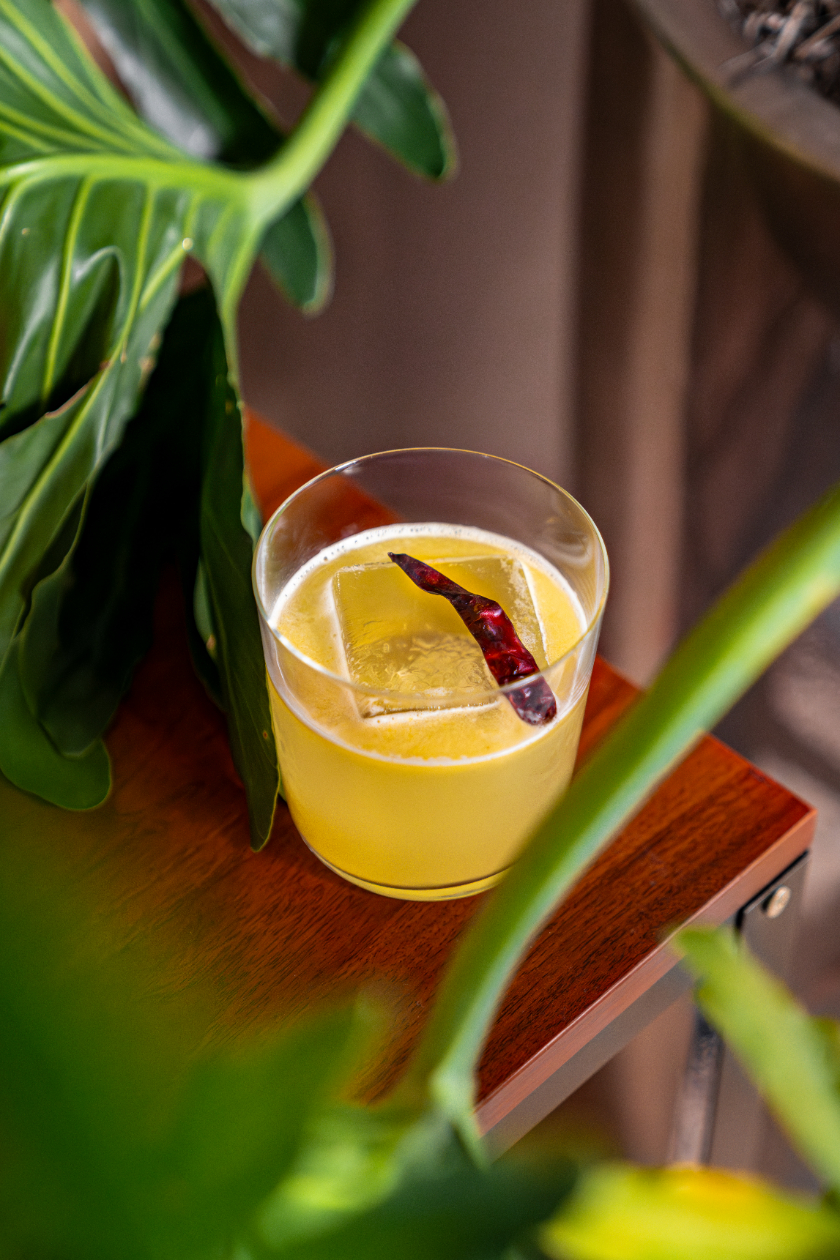
Desserts from Bae will be made with ingredients sourced from Vietnam such as durian, soursop, and seaweed. One example: avocado sorbet with green curry sponge cake and a caramelized Vietnamese fish sauce. Drinks by bar director Thi Nguyen, who was named a top bartender by United States Bartenders’ Guild this year, are inspired by a recent visit to the country and include many Vietnamese ingredients like coriander (rau ram) and pickled lemon (chanh muối) in a nigori sake drink. The Out Of Dipping Sauce drink indeed has fish sauce; it’s a vodka-based drink with lemon, passionfruit and Vietnamese fish sauce syrup. Many of the spirits used are Vietnamese owned. There are also non-alcoholic options like a lemongrass soda with lychee and hibiscus.
“Enjoy this new version of us,” Tien says. “I know [Moon Rabbit diners] had previous favorites, but we’ll have plenty of new items that’ll be their new favorites.”
The restaurant will initially be open Tuesday through Saturday for dinner service. Eventually, the goal is to open on more days and for lunch. The Moon Rabbit owners want to be mindful to not stress staff out with an overwhelming work schedule, Tien explains. Expect more as the team grows and gets comfortable.
Because of the previous ownership structure, Moon Rabbit’s chefs were not always making the operational decisions. Moon Rabbit at the Wharf was owned and operated InterContinental Hotels Group. When employees of the hotel including Moon Rabbit requested union recognition from IHG to improve wages and working conditions, the hotel and Tien parted ways. The chef took the rights to the restaurant with him.
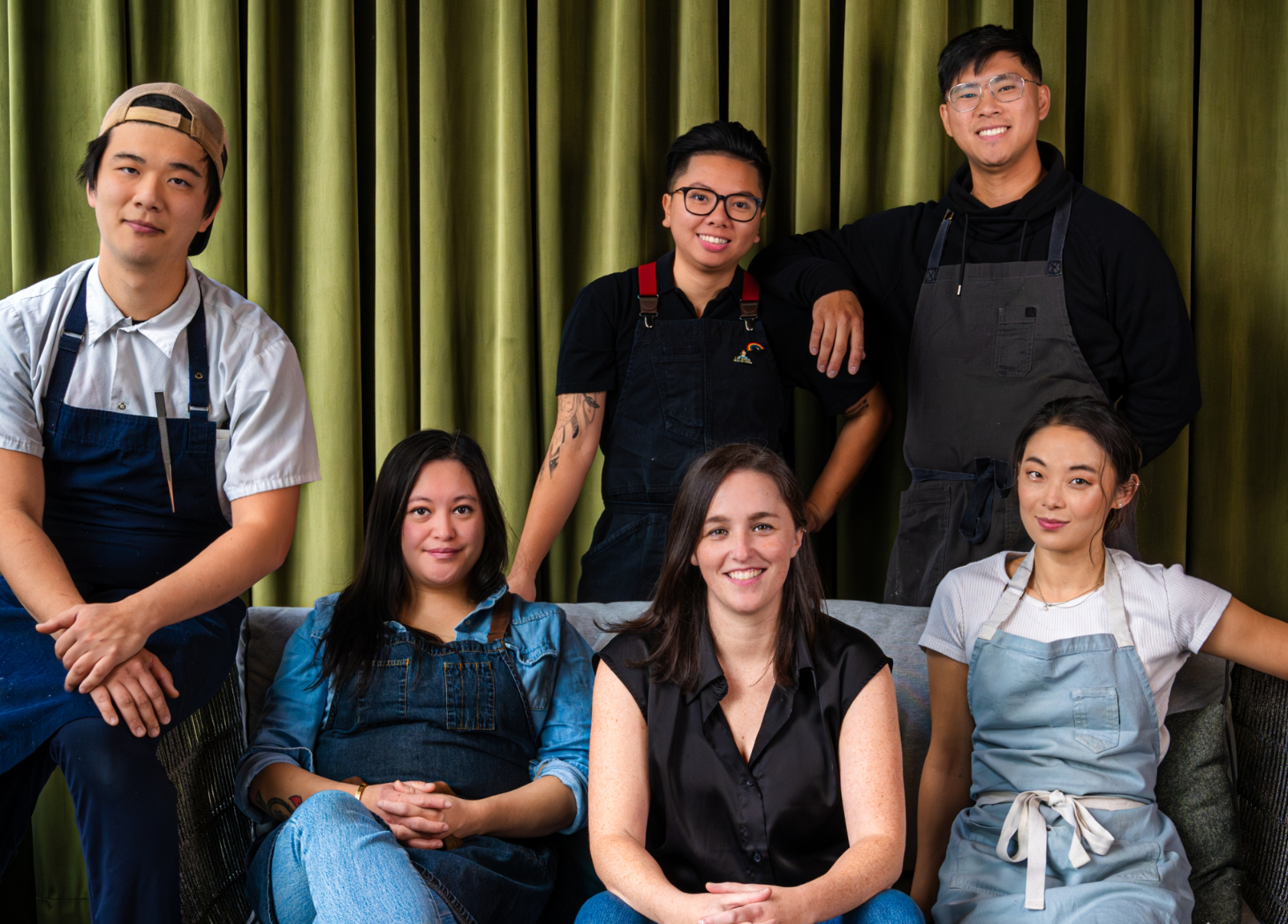
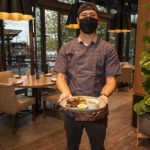
Tien, Bae, Beltrano, and Vo hired roughly 95% of staff from the old Moon Rabbit, from bartenders to servers to cooks, to work at the new location, the chef says — and the new Moon Rabbit hopes to provide livable wages and hours. The owners also want to make decisions as a team; for example, staff will decide whether to close on a holiday or work to earn money. Despite their grand opening being just three weeks away, the Moon Rabbit team did not work Christmas, which Tien says was his first holiday break in several years.
“Every decision that we make, everything that we do, the reasons why we do it, it’s all a team decision and our decision,” the chef says.
Tien acknowledges the challenges with owning and operating a restaurant, including the higher cost of rent, labor, and supplies. Dozens of restaurants close every year — at least 52 in the city last year, including several in downtown D.C. Restaurants there have lost customers because people aren’t working in the office as much as they did prior to the COVID-19 pandemic. And businesses in Penn Quarter/Chinatown are also concerned about losing even more foot traffic with the potential exit of the Capitals And Wizards to Virginia.
So why open in downtown? Tien sees potential there, he says. Amid all these conversations of what to do with downtown, Tien wants to see more AAPI-owned and -operated restaurants open in the next five to ten years. How the chef will do that exactly is still in the works, but he is well connected because of his work with Chefs Stopping AAPI Hate, which he co-founded. Moon Rabbit is already in good company in the neighborhood with Daikaya Group’s ramen shop and izakaya and Tonari, Chinatown Express, Joy Luck House, and Luna Hall.
“People go to Annandale to have like amazing Korean food or go to Falls Church to have amazing Vietnamese food, or go to Rockville for Chinese food,” Tien says. “I would love for people in D.C. to be like ‘Oh, where do we want to go for like really amazing Asian food?’ Everyone’s like, ‘let’s go to Chinatown/Penn Quarter.'”
Plus, Tien is sentimental about downtown. It’s where he got his start cooking in the District: his first gig was at Oyamel by chef José Andrés, and his first food pop-up ever, which featured poke dishes was at the National Union Building in 2016.
To help make the numbers work, Moon Rabbit will have a service charge, which will pay front-of-house staff. No additional tip is necessary, Tien says. However, if a patron would like to go above and beyond because the service or meal itself is exceptional, there will be a tip line. In fact, there will be two tip lines, one that makes clear money goes to front-of-house staff and the other designated for kitchen staff. Tien was inspired to by a restaurant he patronized in Denver, he says.
“Our team is very excited to move into our new permanent home,” Tien says.