
As reportedly happened during the Kirov Opera’s visit to Washington last year, the best performance of the group’s residency this week at the Kennedy Center was saved for last. On Sunday afternoon, conductor Valery Gergiev led a concert performance of Dmitri Shostakovich’s modern opera Lady Macbeth of Mtsensk that was an incendiary triumph. Combined with the three evenings of Shostakovich’s chamber music from the Emerson Quartet on my schedule this week, the Russian composer’s centenary is finally being celebrated in style. The fact, though, that the concert conflicted with Super Bowl Sunday may have accounted for the empty seats, especially at the back of the hall.
On January 26, 1936, Stalin saw Lady Macbeth during its first run in Moscow. The opera had already received some 200 performances in Leningrad since 1934. Stalin heard enough to condemn Shostakovich of bourgeois decadence, an opinion expressed that week in an unsigned hatchet review in Pravda. Shostakovich and Lady Macbeth were later rehabilitated, with a revision of the opera that removed most of its shocking elements, but it is the original version that is most worth hearing. The opera takes the brutal story of a bored provincial housewife from Nikolai Leskov’s 19th-century short story — a sort of Madame Bovary on the Steppes — and sets its abuses, rape, double murder, betrayal, and forced labor camp to equally brutal music.
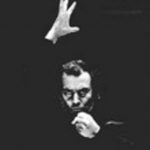
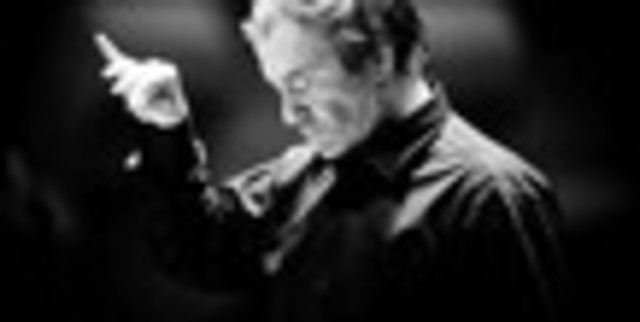
With minimalized gestures, all butterfly fingers, tiny nods, and occasional dance-like jumping, Gergiev led the Orchestra of the Mariinsky Theater through an astounding rendition of this music, especially in the interludes. The instrumental passage following the rape scene, where the poor workers of the Izmailov household attack a woman (the supertitles went primly dark during this episode), was so fast and intense that it elicited spontaneous applause from the appreciative audience. The young mistress of the house, Katerina Izmailova, tries to escape from her impotent husband and abusive father-in-law by taking a lover from among the workers, the handsome Sergey. The music that accompanies their love scene was unbridled in its Dionysian thrusting, building to the climax of a comic trombone slide. The music for the whipping scene, when Boris Timofeyevich discovers Sergey leaving Katerina’s room after their tryst and has him flogged, was no less intense.
Photo of Valery Gergiev by Marco Borggreve