By now it is Chamber of Commerce cliché to write of “U Street’s revitalization.” Most residents have read the historical postings along U Street NW and know, by way of slogan at least, that “before Harlem, there was U Street.” At the height of Washington’s segregated past, a few decades after segregation was imposed by Congress against the will of a vocal many white and black District residents, U Street NW was the city’s celebrated black pearl; to paraphrase Ossie Davis’s eulogy of Malcolm X, it was “our own shining black prince” of a street, bustling with theater, commerce, and the syncopated pulse of jazz music. Gin was the drink of choice, vermouth had fallen out of favor during Prohibition, and Temperance Hall was the name of a nearby alley where working class families lived in tiny shanties.
Now, nearly forty years after rioters burned down so many businesses along U Street, and several years into the corridor’s much-lauded “revitalization,” the discriminating Washingtonian might notice that, as quality as they are, establishments like Local 16, Chi-Cha Lounge, Tabaq, Polly’s and Solly’s could exist anywhere in D.C. This begs the question: How does one enjoy twenty-first century U Street in the spirit of its twentieth century jazz splendor?
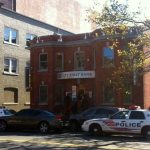
There are a few answers; the Best Kept Secret among them is JoJo Restaurant and Bar. Located in a converted rowhouse at 1518 U Street NW, JoJo is a chef-owned venue that offers live music by three different bands Wednesday through Sunday nights. An exposed brick wall is decorated with black & white photographs of contemporary and classic jazz artists. There is remarkably little staff turnover at JoJo; in the three years that this reviewer has been stopping by, only two bartenders have left. The space and setting provide an intimate ambiance that is getting harder to find on U Street.
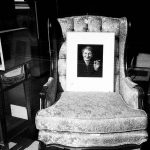
Photo by Flickr user maxedaperture.