Former Editor-in-Chief Ryan Avent writes a weekly column about neighborhood and development issues.
 For much of the past year, this column has taken a hard look at many aspects of District life, from crime and schools, to transportation planning and development, to the uneven distribution of growth in the city, and found them wanting. It’s never difficult to be critical of the way things are done in the District, and yet there are obviously many satisfied Washingtonians, myself among them, who are happy to call this place home. This week, as the city continues to enjoy its August downtime, I think it’s a fine time to remember how good things are in D.C. Now is clearly no time for us to rest on our laurels, but it’s important to recall just how far the District has come.
Never in recent memory has the city been this safe. Residents remain rightly concerned about occasional flare-ups and a homicide rate that is still well above where it should be, but both the trends and the absolute numbers are clear. Last year, Washington recorded its lowest homicide total in decades, and the city is on pace to come in below that this year. The homicide count for the past 365 days is 15 percent below that for the 365 that came before, and west of the Anacostia River the decline is 30 percent. While some categories of crime did tick up last year, overall trends remain positive, and great strides have been made in the 1st and 3rd Police Districts, fast growing areas of the city that gave the police headaches last year but which have shown great progress this year. Many communities continue to cry out for more police attention, complaining loudly when outbreaks do not generate enough police response. That, in itself, is a good thing, showing not that criminal activity is increasing, but that community involvement and public demands for police accountability are on an upswing across a broadening swath of the city.
That broadening is itself evidence of the rapid growth the city has recently enjoyed. Census figures show steady, moderate increases in Washington’s population, but beneath the total a different dynamic is clear. West of the Anacostia River, and particularly in the dense center of the District, population is booming. That area has experienced a net annual gain of between 5,000 and 7,000 people in recent years, resulting in a remaking of many neighborhoods. While new buildings continue to go up on underused lots across the city, vacant and deteriorating properties have been patched up and occupied. The growth in new and improved residential property has been rooted in strong fundamentals, allowing the city to weather the housing market downturn far better than other major metropolitan areas. Home sales and prices in the District have begun to increase relative to last year’s numbers; even condo sales are up as inventory declines. That is due in part to a change in developer strategy on some projects, shifting condo units into rentals, but such a shift is possible and profitable because the local rental market has also remained strong.
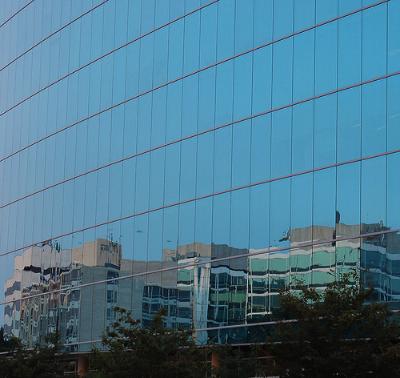
Photo by elle decouvre.