Martin Austermuhle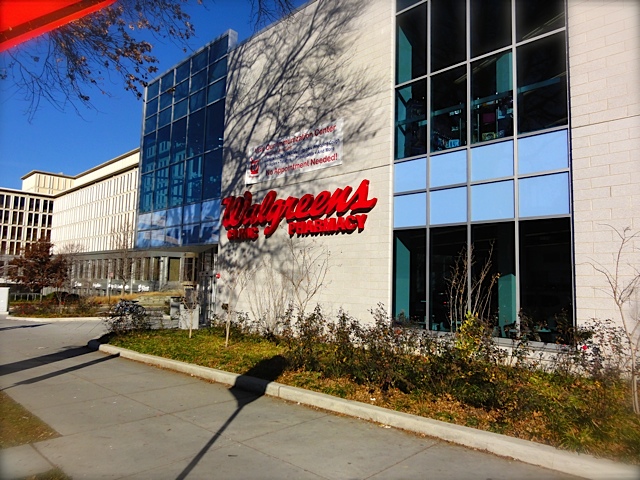
 Pharmacy, or grocery store?
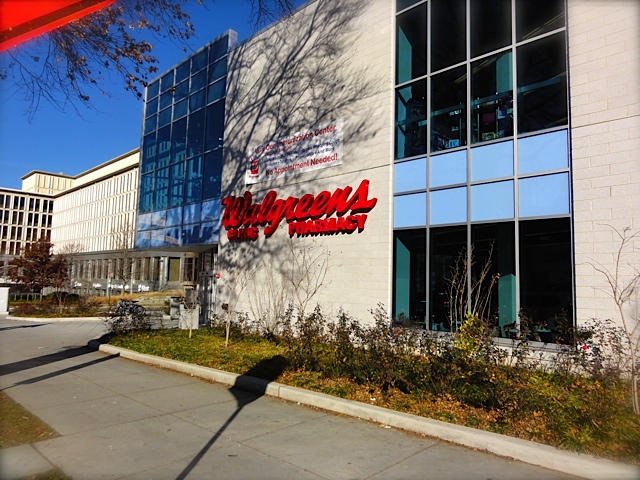
A new Walgreens opening on the corner of Seventh and H Streets NW in the heart of Chinatown wants to sell beer and wine. But a new set of rules proposed by the Alcoholic Beverage Control Board might make it difficult for the store to do so.
Last month the board unanimously approved rules defining what a full-service grocery store is and is not. Under the rules—which would have to approved by the D.C. Council—a grocery store would have to sell four of the five types of basic foodstuffs: meat, poultry or fish; fruits and vegetables; breads, cereals and baked goods; dairy products; and dry groceries. Not only would they have to sell these, though, but they’d have to dedicate either more than half of its retail space or 6,000 square feet to those products.
So, what does this have to do with Walgreens? The pharmacy chain has been applying for liquor licenses in D.C. as a full-service grocery store, which is the only way to get around an existing moratorium on certain liquor licenses for off-premises vendors. (The exemption was originally written into law to help woo grocery store chains to the city.) In some cases, it has gotten a license. In others, though, it has been protested. The same goes for CVS.
Late last year, Councilmember Mary Cheh (D-Ward 3) argued that a Walgreens in Van Ness that had applied for a liquor license to sell beer and wine was exploiting the full-service grocery store exemption. According to her, only 8.5 percent of the store’s retail space was set aside for food items, making it ineligible to qualify as a grocery store. (A nearby Giant also protested the license, for obvious reasons.) During final passage of a comprehensive rewrite of the city’s liquor laws in December, Cheh asked the board to clarify the issue.
Under the rules proposed by the alcohol board, Walgreens and other pharmacies come out losing. Unless they opt to offer significantly more food items, it doesn’t look like they would apply for the full-service grocery store exemption.
The board has scheduled a hearing for February 28 to fully consider the issue and take public comments on the proposed rules.