Martin Austermuhle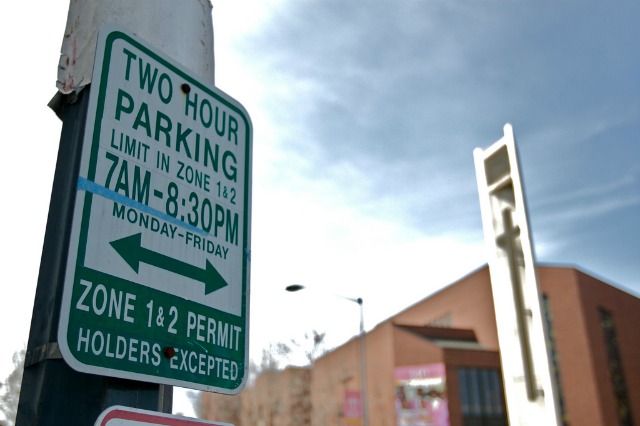
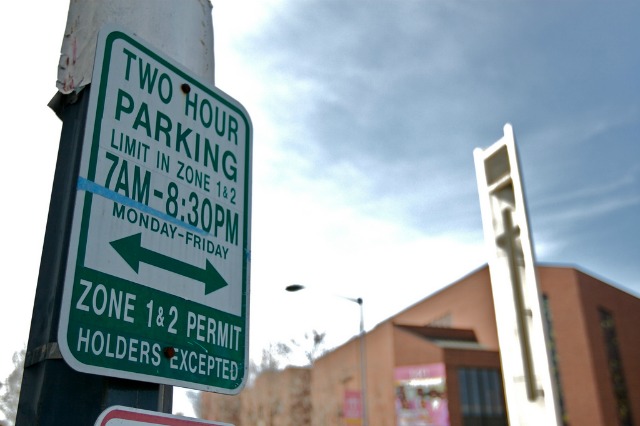 Photo by Dave Adams
There have been complaints about the way D.C. handles on-street parking in residential areas for at least a decade, but in that time no one has dared approach the issue. The D.C. Department of Transportation finally will.
At a hearing at the D.C. Council yesterday, department officials said that they had hired a consultant to study best practices across the country and weigh input from D.C. residents taken at a number of town halls last year as a means to craft a proposal on changes to the city’s residential parking program. The proposals are expected within four to five months, after which they will be presented to the council and residents for comments.
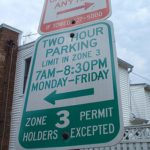
The debate over how and where D.C. residents with cars can park kicked off again last June, when two legislators floated the idea of shrinking and reforming the city’s parking zones so that they don’t simply mimic the city’s wards. That’s not a new idea: a parking task force created by former Mayor Anthony Williams in 2003 proposed that the city replace the ward-based system with 39 neighborhood parking zones and assign parking permits accordingly.
As with all things parking, whatever the consultant comes up with is sure to be controversial. Some people love the current setup; if you live in the hinterlands of Ward 3, your existing parking permit lets you drive all the way to Woodley Park, park on the street all day and take the Metro. Others hate it; certain popular neighborhoods in Ward 1 are often overrun by drivers from other parts of the ward.
There’s also the problem of consistency. At the hearing yesterday, Councilmember Muriel Bowser (D-Ward 4) complained of an emerging patchwork of parking restrictions appearing in various wards. In parts of Ward 1, for example, parking on one side of the street is limited exclusively to those holding Zone 1 residential parking permits; in Ward 6, parking around parts of Eastern Market and Nationals Park is similarly limited.
DDOT officials said that they plan on addressing other parking issues this year, including the long-troubled Visitors Parking Pass program, performance parking programs (where meters charge more depending on the time of day) and the Red Top meters for disabled drivers, which went nowhere last year.
Department Director Terry Bellamy didn’t sound particularly enthused with the task he faces. “This is by far one of the hardest issues we’ll deal with this year,” he said of the possible changes to how D.C. drivers park.