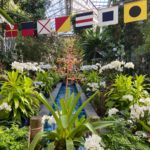
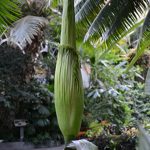
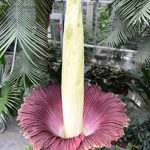
Approaching from the National Mall, the U.S. Botanic Garden looks like many federal buildings from the outside: A lot of neutral stone exterior with plenty of stately arches. But the distinguished glass and aluminum of the conservatory peek out from behind, telling visitors that they’re approaching the guardian of a vast array of stunning (and occasionally stinky) flora and fauna. Here are 10 facts to help grow your knowledge about the Botanic Garden.

1. Though George Washington, Thomas Jefferson and James Madison led the charge for the Botanic Garden, it wasn’t managed by the government at first.
America’s founding fathers were big on life, liberty, and the pursuit of plants. George Washington built a greenhouse at Mount Vernon for his collection of rare and exotic greenery, and Thomas Jefferson pursued and promoted many plant species. That passion for horticulture also drove their desire to see their fledgling nation develop a botanic garden of its own to study agriculture, and documents from around Washington’s presidency offer glimpses of the discussion on proposed locations for such a garden.
Alexander White wrote to James Madison in September 1796 about a potential site on the Mall, saying: “There is a large space left by the Plan of the City for pleasure grounds—extending from the Presidents Square to the Capitol, extremely well calculated for this purpose.” Indeed, much attention seemed to focus on the idea of a botanic garden situated there. Even George Washington wrote in a letter in October 1796 to say that “conceiving (if there be space sufficient to afford it) that a Botanical Garden would be a good appendage to the Institution of a University, part of this square might be applied to that purpose.”
It wasn’t until roughly 20 years later that Washington’s hunch proved partly true: A band of Americans founded the Columbian Institute for the Promotion of Arts and Sciences in 1816, and one of its primary objectives in its constitution was to “to collect, cultivate and distribute the various vegetable productions of this and other countries, whether medicinal, esculent, or for the promotion of arts and manufactures.” This group developed the original Botanic Garden, and in 1818 Congress approved an act to incorporate the Institute in a 20-year charter and granted approval for it to cultivate a five-acre parcel of land. Two years later, the Institute established a garden on the western side of the Capitol, bounded by First and Third Streets NW and Pennsylvania and Maryland Avenues NW.
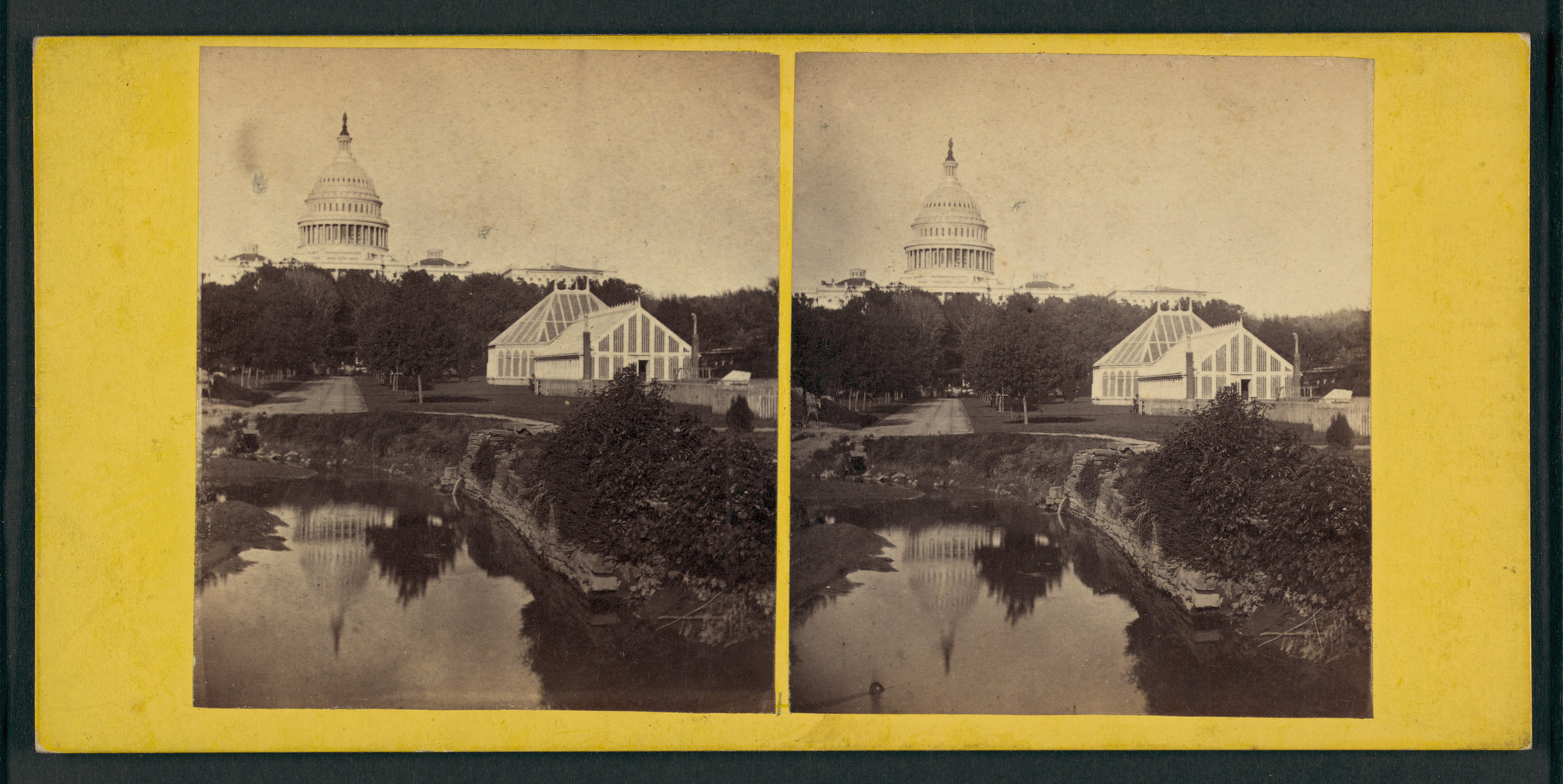
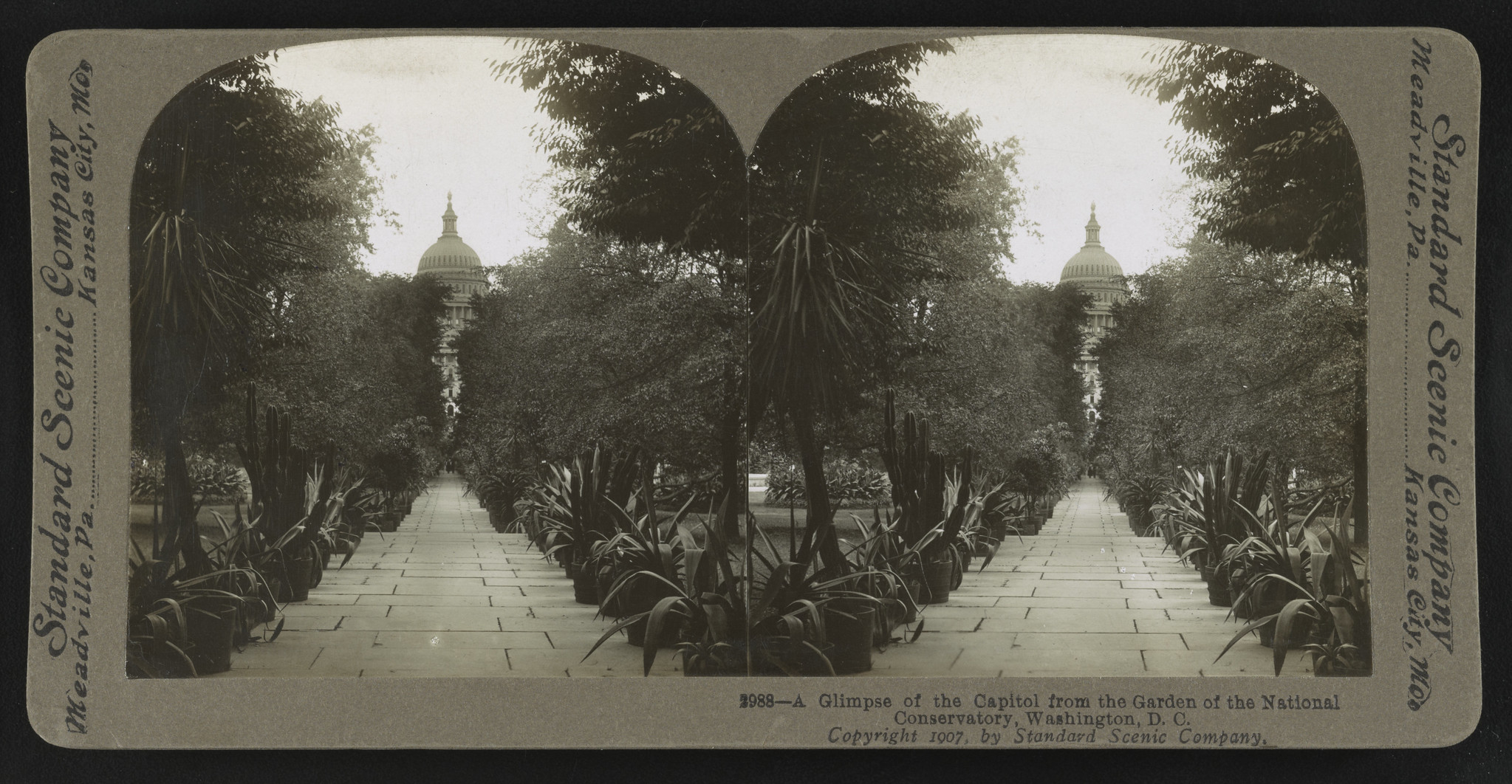
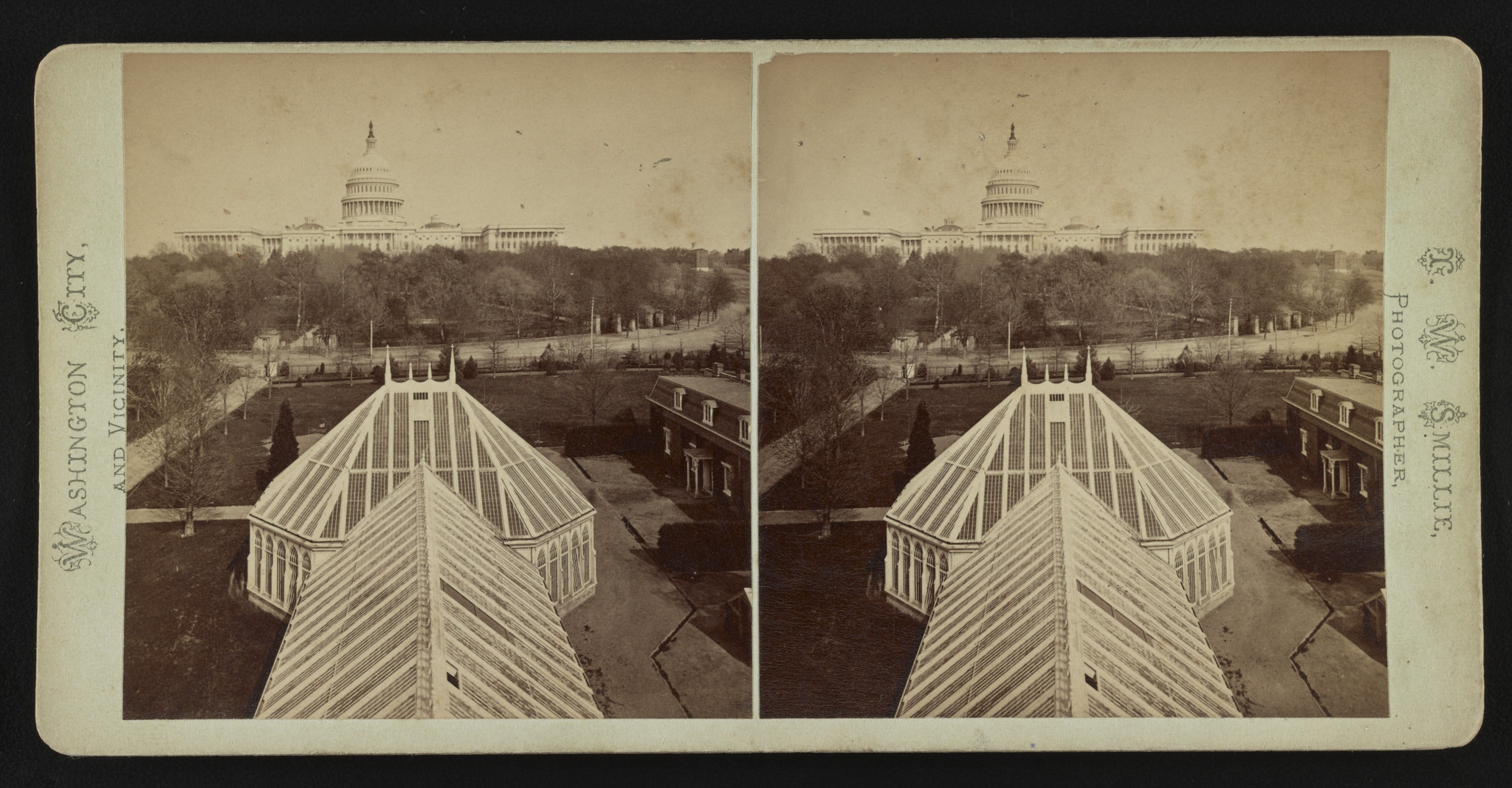
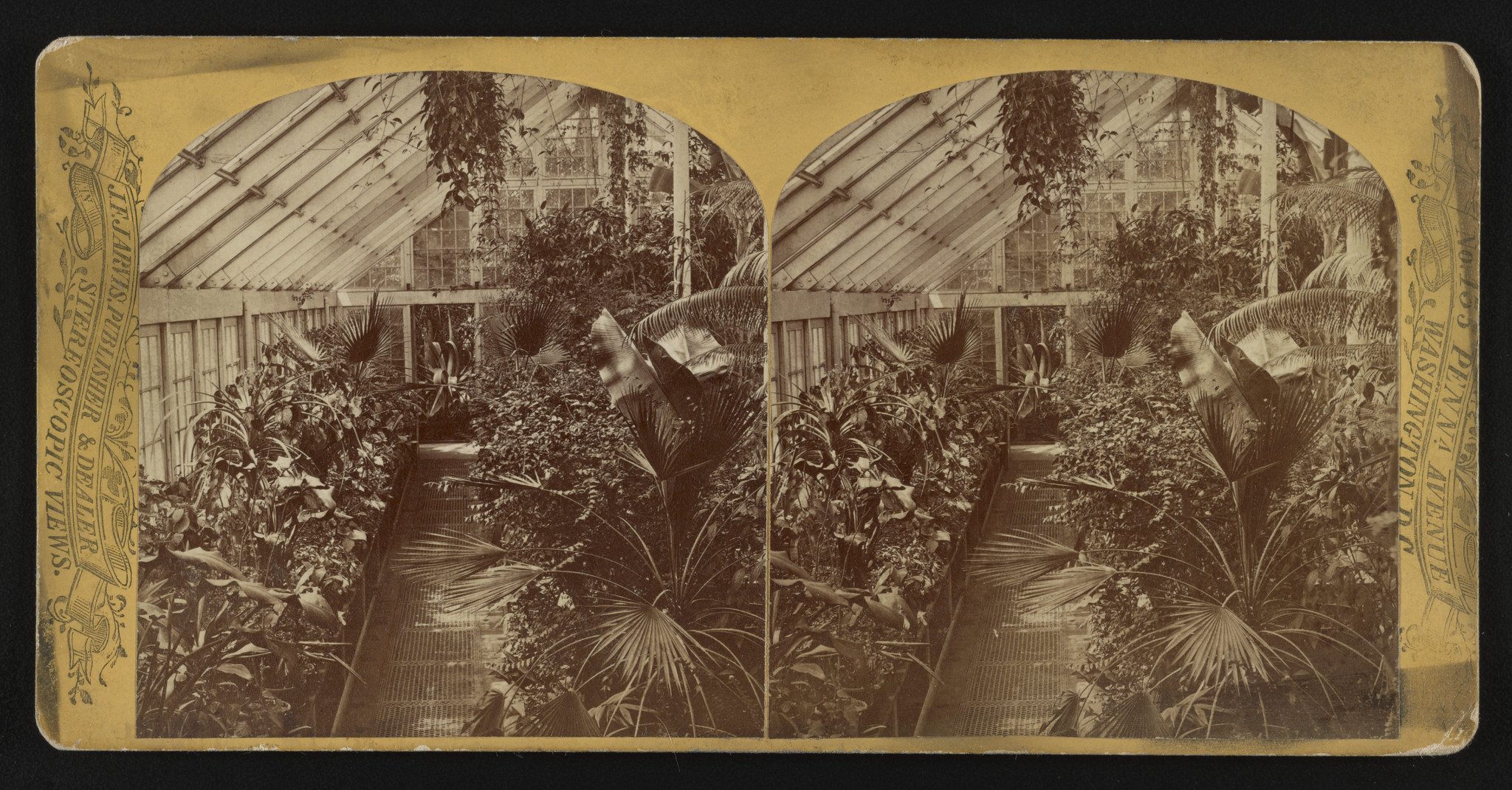
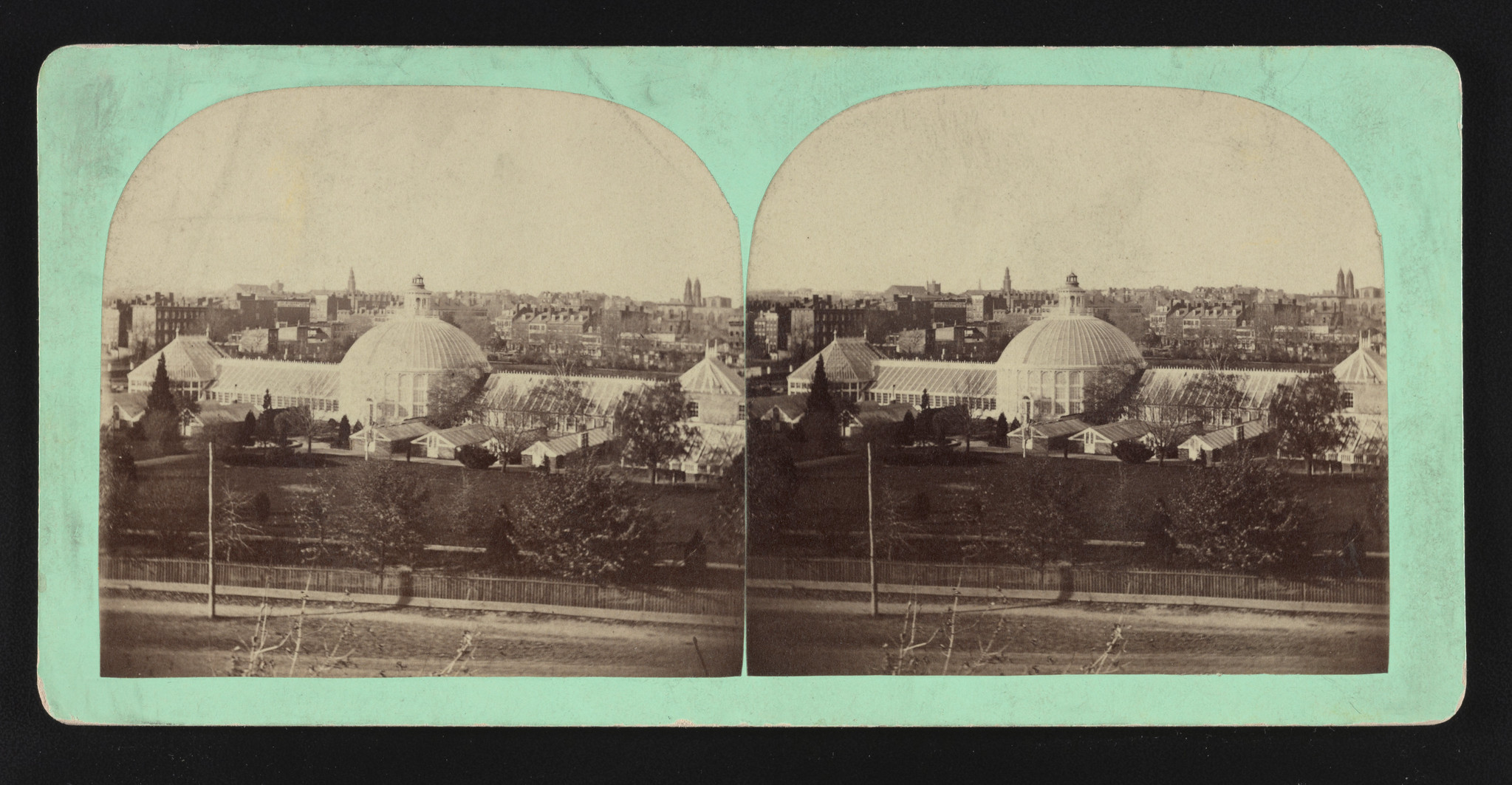
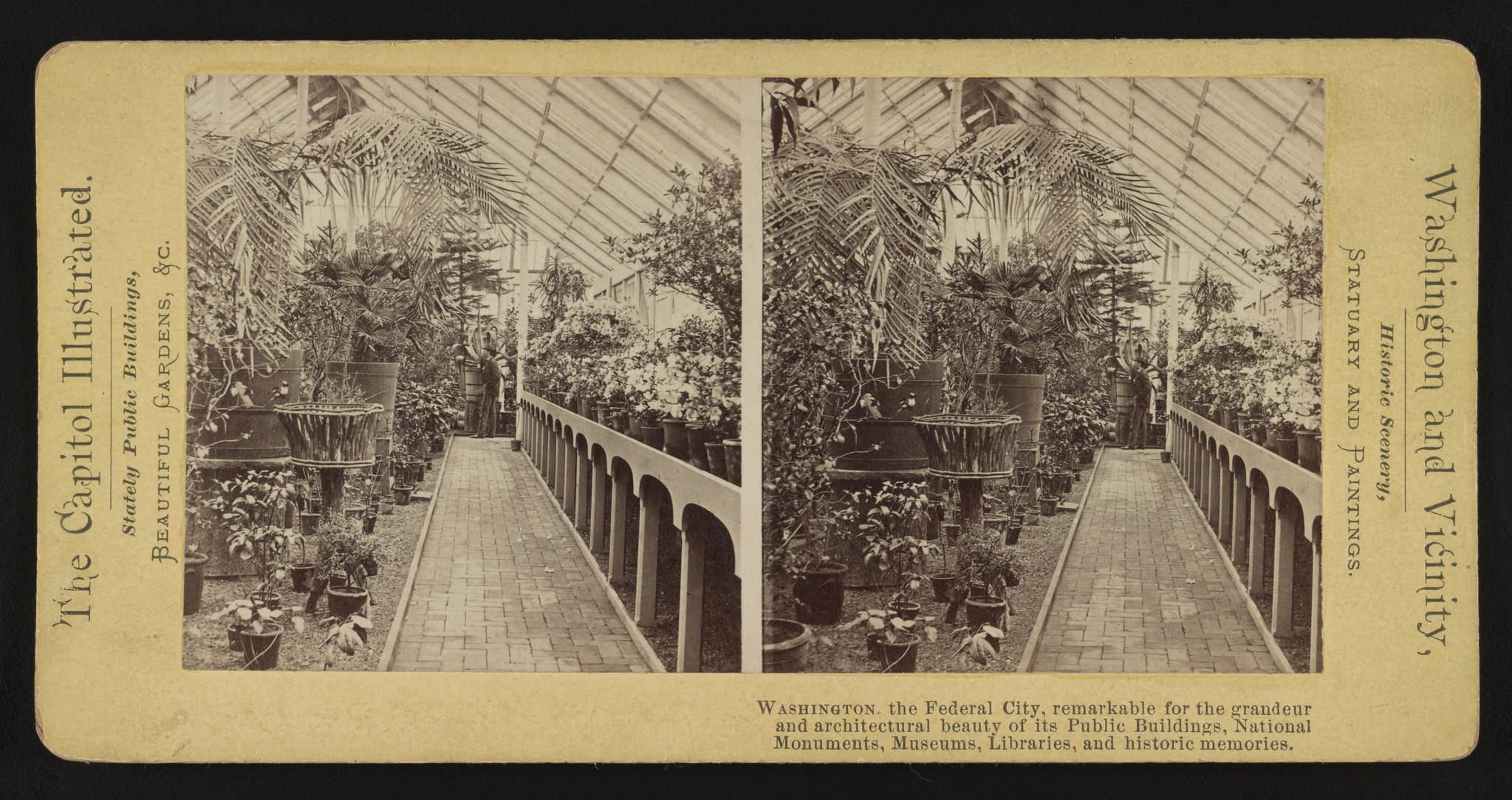
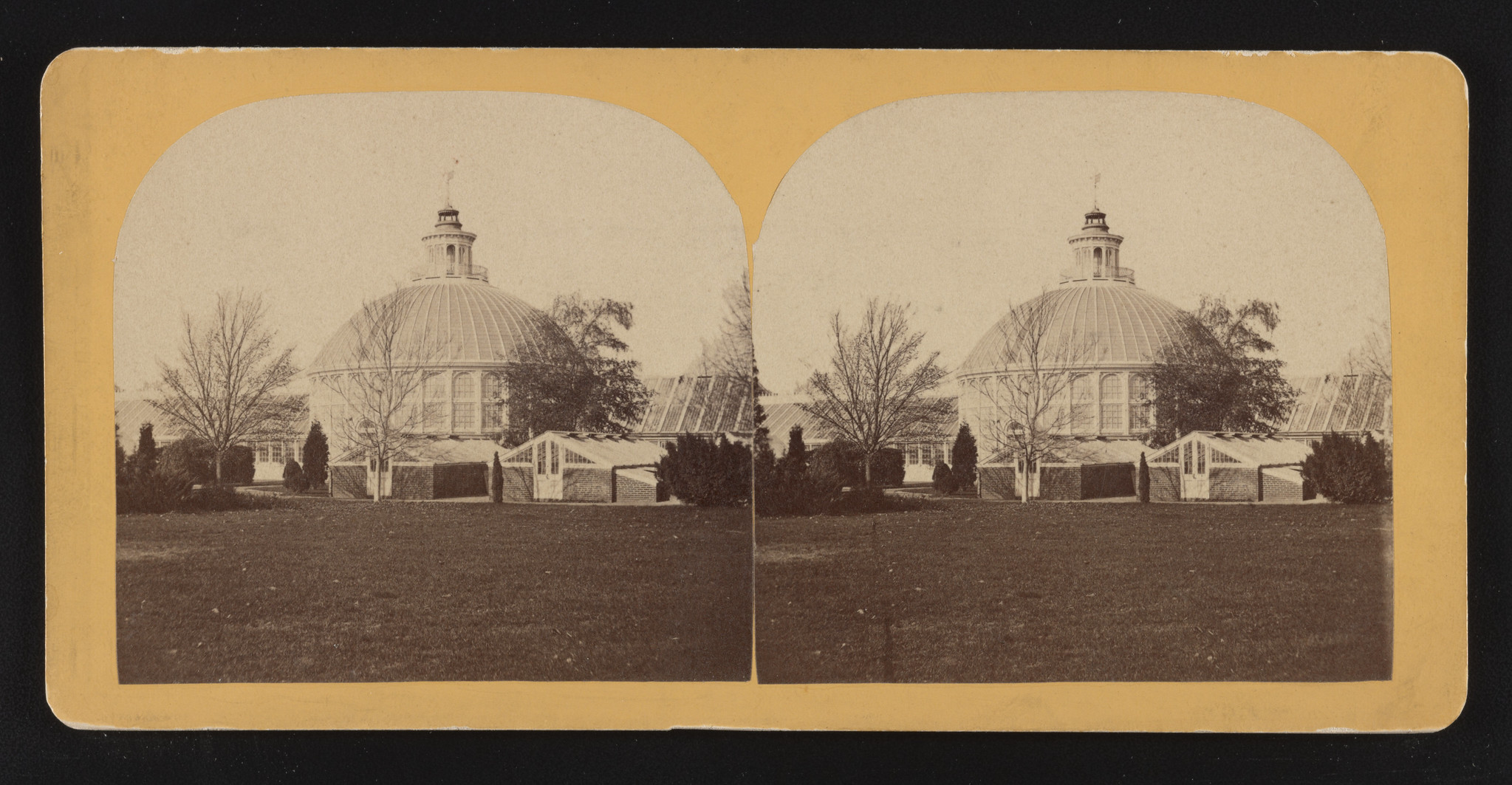
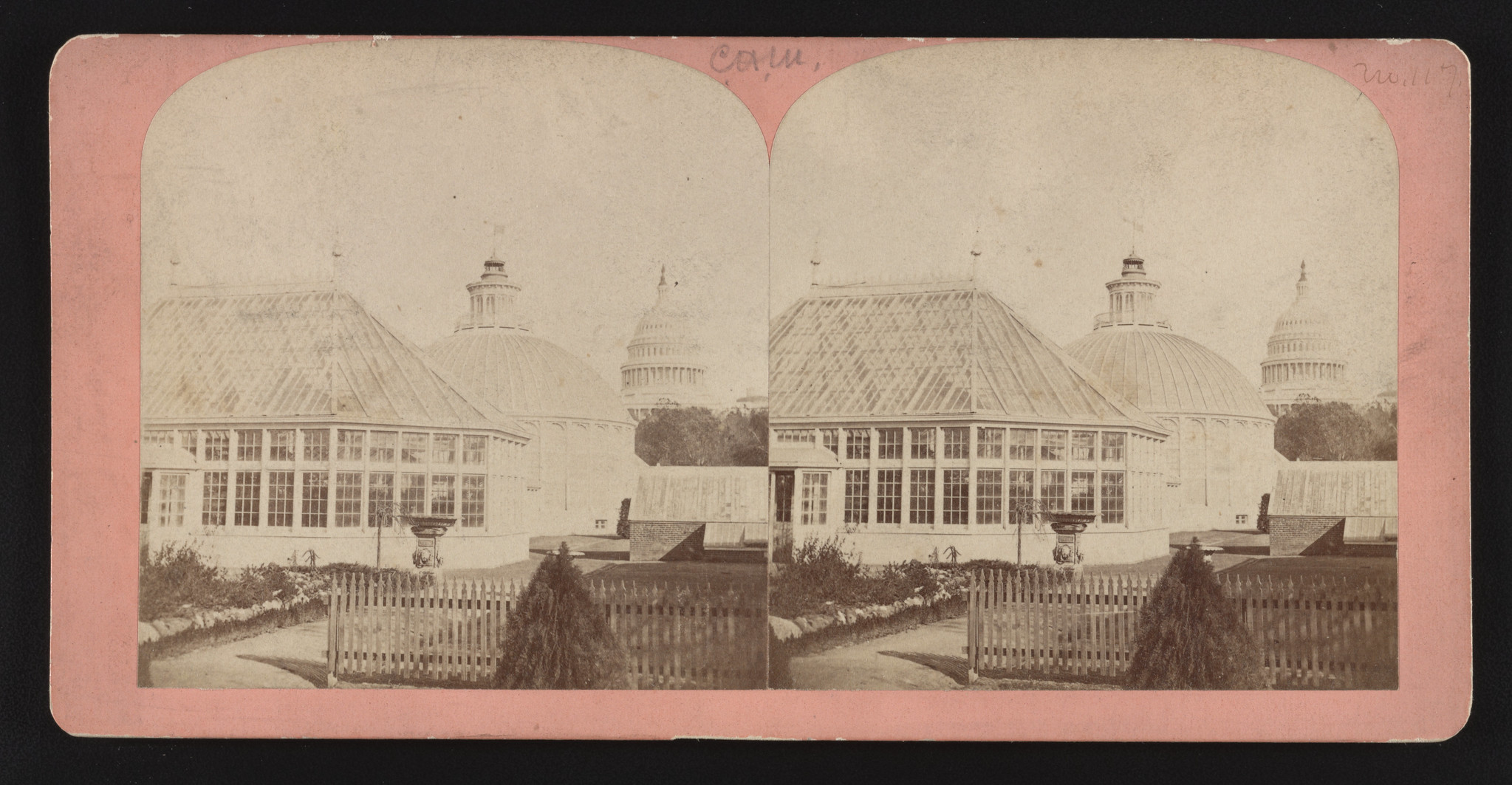
2. Financial woes eventually led to the garden’s turnover to the federal government in 1837, and it slipped into neglect.
With the Columbian Institute for the Promotion of Arts and Sciences struggling financially, one entrepreneur even sought to lease the garden. After visiting the garden in 1830, Francis Barnes wrote a letter to explain his offer to lease it as a pleasure garden and charge visitors an entry fee, assuring Institute members “that no pains will be spared to promote their vision — to make the Garden an ornament to the Metropolis and the Country at large and to afford to the members of the Institute (as Guests) and to the respectable citizens of Washington and to strangers visiting the Seat of Government … a cool comfortable fashionable and acceptable place of innocent recreation.” It would have helped its coffers, but the Institute rejected his offer.
By the time its congressional charter expired in 1838 (a year earlier, Congress failed to pass legislation to support the Institute), meetings had ceased and the garden was left to its own. It became federal property once again, but the government paid it no heed until 1850, when the findings from the U.S. Exploring Expedition were in need of a home.
The U.S. Exploring Expedition began in 1838, sailing from Virginia through the Pacific Ocean, and botanists collected and pressed more than 50,000 plant specimens and brought back 250 live plants, according to a history of the Botanic Garden. A greenhouse to accommodate the findings was built behind the Patent Office, but Congress appropriated $5,000 in 1850 to relocate it — and by year’s end, the Botanic Garden was resurrected at the foot of the Capitol.
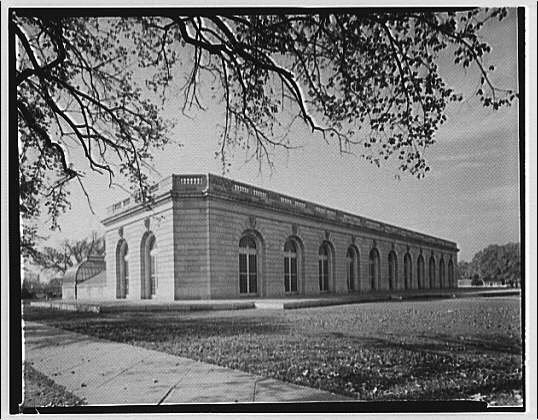
3. After years in front of the Capitol, the garden was moved to its present home in 1933.
By the turn of the century, there was a growing sentiment among the leadership on the Hill to return to Pierre L’Enfant’s grand vision for the capital city. The McMillan Plan of 1902 detailed the steps to return to the original plan — and improve the Mall. One of the Mall’s problems singled out by the plan was the Botanic Garden’s current location. “From the Mall system the grounds are cut off by the Botanic Garden, walled and fenced so as to block the way,” the authors of the plan wrote of the Capitol. The authors wanted to return to L’Enfant’s vision of an “organic connection between the Capitol and the Mall,” which meant the Botanic Garden was to be uprooted again.
By 1926, Congress appropriated $5,000 for a survey to begin the process of relocating and expanding the garden. The old conservatory was in danger of collapsing, the Washington Post reported at the time, adding that the building was “old and obsolete and is not worth repairing.” Some local leaders urged that the garden be removed from the Mall and instead placed in Anacostia (where the Botanic Garden’s auxillary greenhouses are now located). But the new location was set southwest of the Capitol. The new building opened in 1933, with eight glass rooms offering up nearly 29,000 square feet of gardening space.
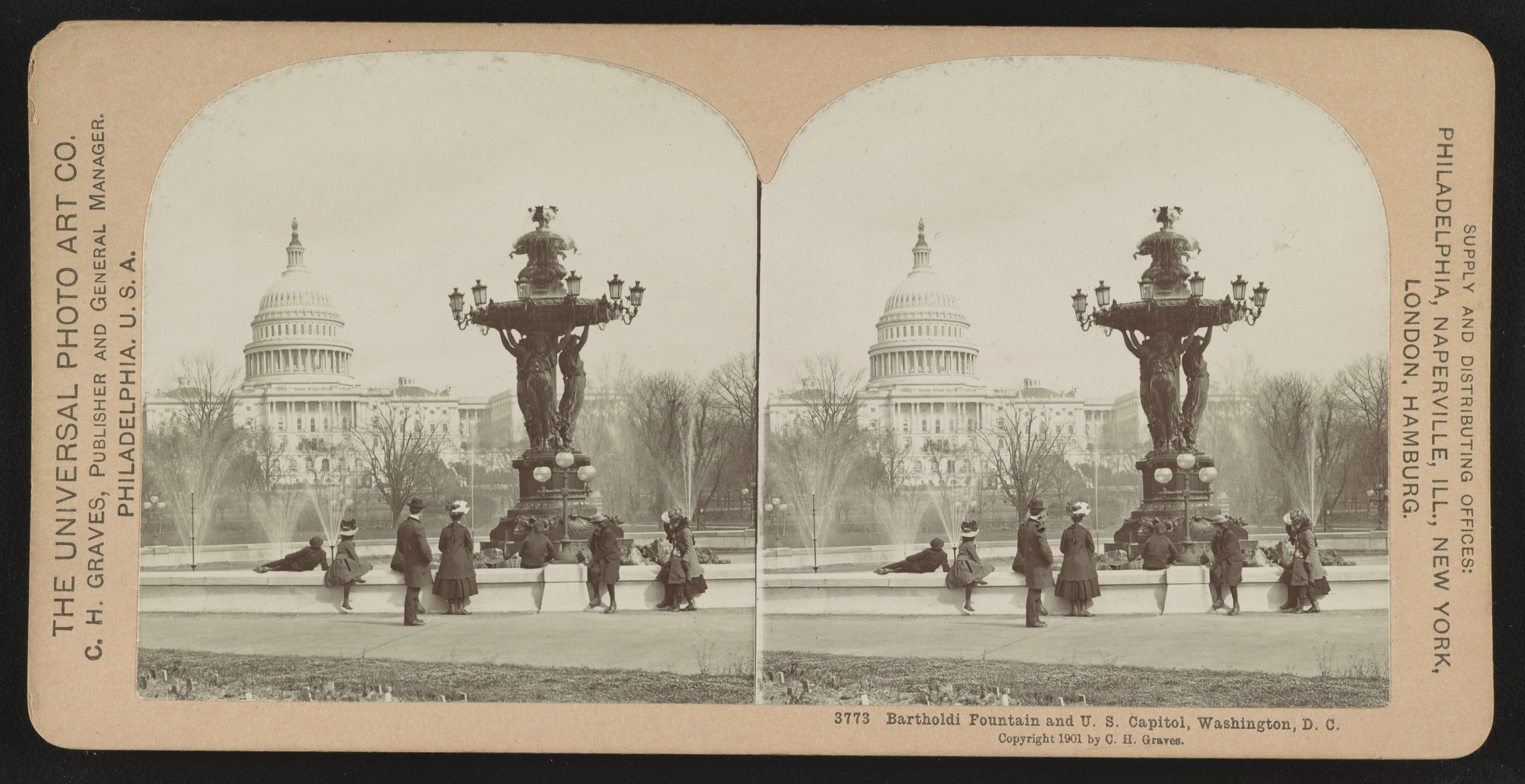
4. The sculptor of the Statue of Liberty also created the cast-iron Bartholdi Fountain, which is named after him and now rests outside the Botanic Garden’s conservatory.
French sculptor Frederic Auguste Bartholdi designed his namesake fountain for the 1876 Centennial Exposition in Philadelphia (the first of what became known as the World’s Fairs).
The 30-foot fountain weighs roughly 30,440 pounds, and its weight was partly a factor in how Congress came to purchase it: Bartholdi had been unsuccessfully seeking a buyer for it, and he reportedly didn’t want to pay to transport the heavy work back to France. So Congress snapped up the cast-iron work for $6,000 — half of its estimated value — and Frederick Law Olmsted included it in his landscaping plans for the Capitol grounds, placing in the botanic garden grounds.
The fountain was briefly targeted for a move moved: A Boston Herald story from 1881 detailed that the Secretary of State James Blaine had wanted to move the fountain from the garden up to Dupont Circle. (He lived right by Dupont Circle and wanted it to be improved.)
But a meeting to consider some of the intricacies of such a move never happened: It was derailed by the fatal shooting of President James Garfield that very morning, according to the Herald. The fountain stayed put. When the garden was relocated in 1927, the fountain was dismantled and stored until it was reassembled in its current home at Bartholdi Park in 1932.
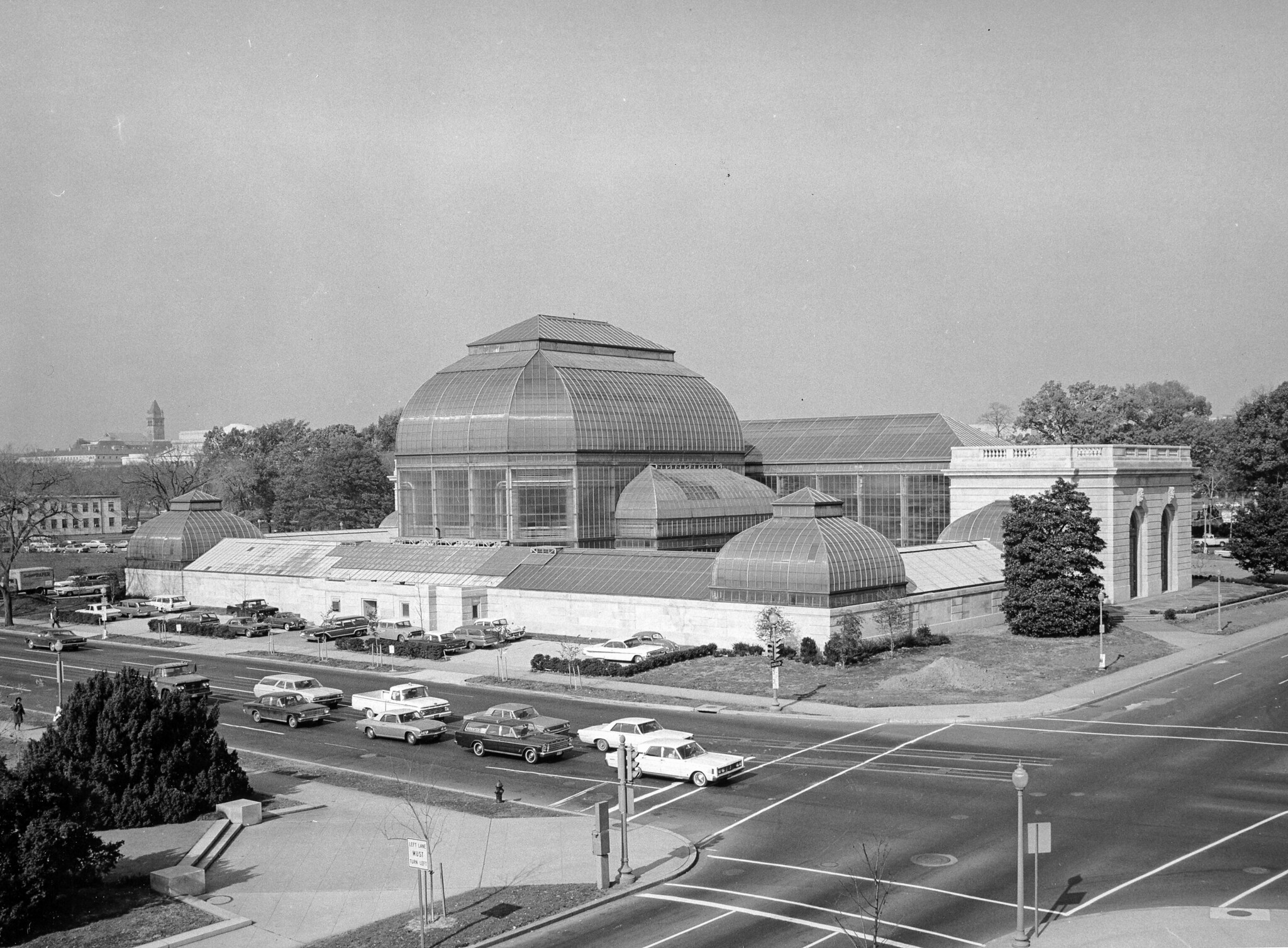
5. By 1992, much of the building had begun to deteriorate and needed to be torn down and replaced.
Time and the results that come from housing a warm, moist environment full of plants had not been kind to the aluminum bones of the Botanic Garden. Slowly, the glass developed a cloudy film that inhibited plants’ access to their life-giving light.
Deterioration was discovered in the 1970s, and by 1992, safety concerns caused its leaders to dismantle the palm house. In 1997, Architect of the Capitol Alan Hantman declared that the entire building (which had never been renovated in its nearly 70 years) was unsound. ( “This place would rain on you, sometimes with water, sometimes with glass,” Rep. Robert Livingston, R-La., told the Post in 1998.)
Remaking the conservatory required an extensive $33.5 million effort. It was closed for four years so workers could bring the facility in line with current safety standards, as well as update the plumbing and electrical wiring, install new glass, and strip out lead paint.
So where did they put all the plants? A history of the Botanic Garden also detailed that some of the plants had already been shipped to Florida upon the dismantling of the palm house, and a Washington Post story from 1997 explained that the rare and exotic collections would be moved to the garden’s greenhouses, and still other greenery would be given to local institutions like the National Zoo. The building was set to reopen in the fall of 2001, but the Sept. 11 attacks and the anthrax scares postponed its reopening until December of that year.
6. In 2017, staffers went on the garden’s first plant-collecting trip in about 150 years.
After the initial expedition that led to the Botanic Garden’s reinvigoration, there wasn’t a need for continued collection ventures. Specimens were donated or shared from a variety of sources.
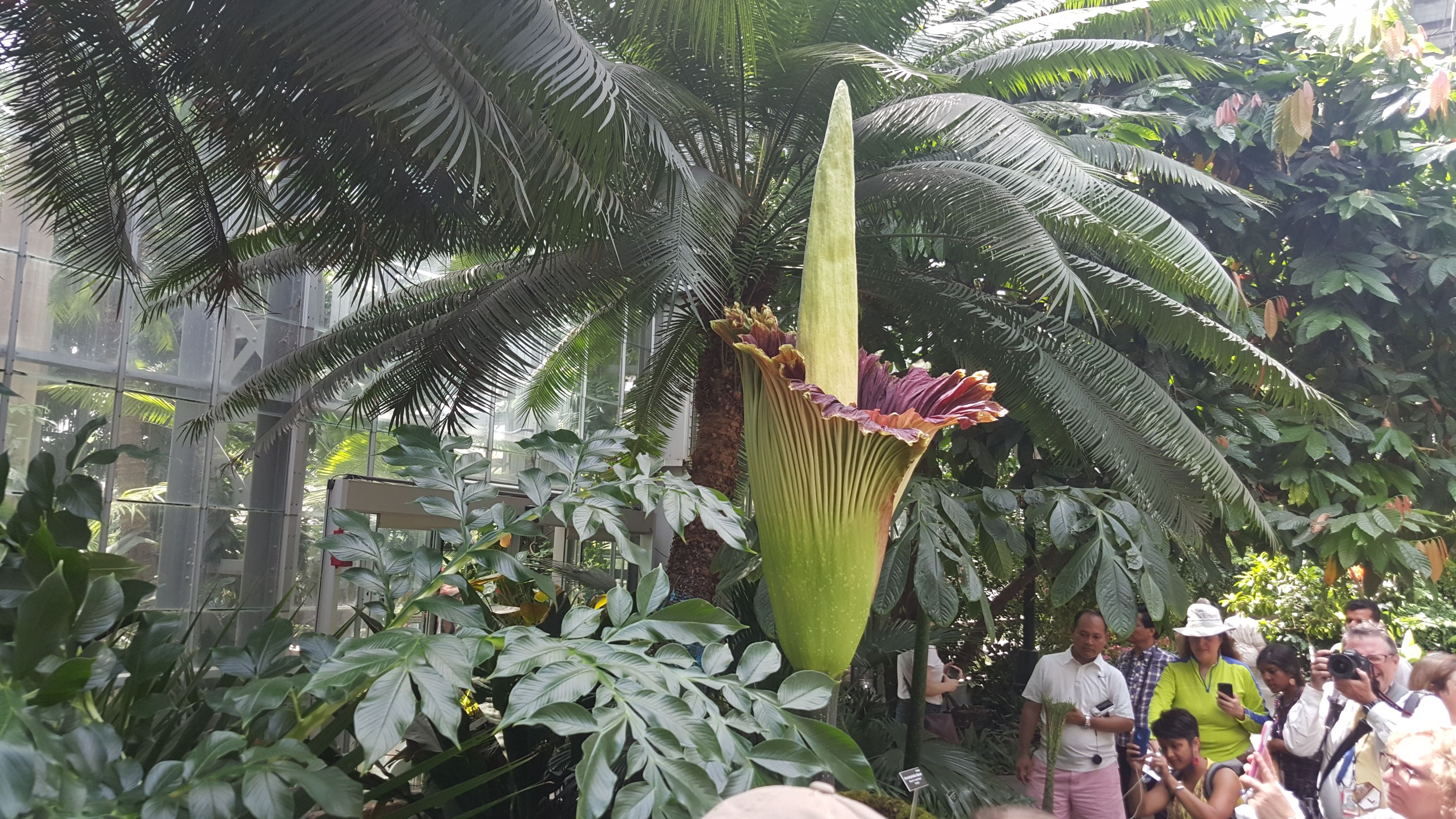
But in 2017, the USBG underwent its first collaborative plant-collecting trip to the Philippines since that haul — and discovered a new variety of the corpse flower, Amorphophallus yaoi. The large, stinky corpse flowers (they blossom intermittently so it’s impossible to know when the next time the stench will waft through the garden) are popular with visitors. A 2013 bloom drew an impressive 130,000 people seeking a sniff.
This year, Botanic Garden is planning trips to collect cacti in the Southwest and orchids and mycorrhizae in Palau.
7. Some of the garden’s holdings come from illicit donations.
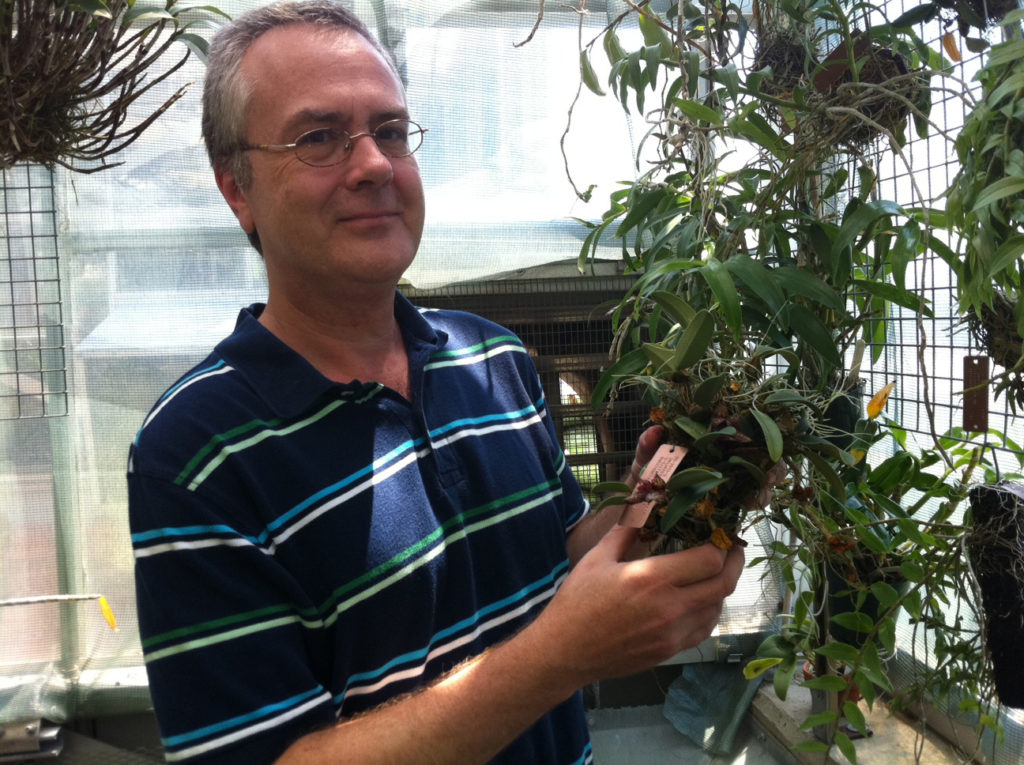
Some of the garden’s holdings come from border officials — in the form of confiscations of plants attempted to be smuggled into the country. Not all plants are intentionally smuggled (some people fail to have proper paperwork), but many are intended for the black market. Determining the exact species can be a challenge, as smugglers often mislabel the plants, and it can take years to determine what the plant is. The garden is one of dozens of centers across the country that accept plants confiscated under the international treaty known as the Convention on the International Trade of Endangered Species of Fauna and Flora, or CITES, as WAMU explained in 2011.
These aren’t the only seized items to be turned over to the Botanic Garden in its history: In 1925, during Prohibition, a U.S. district court judge ordered U.S. marshal Edgar Snyder to turn over a collection of beer kegs, beer barrels, dishpans, wash boilers, and “other receptacles which have been used in the manufacture of illicit liquor” to the garden. The judge’s decree called for the items to be used as planters, the Post reported at the time.

8. The USBG has 69 full-time staffers, including botanists and horticulturists.
Even though there is around 12 acres of growing space and thousands of plants between the Botanic Garden and its production facility, the staff is smaller than you might imagine: Only about 30 people work full-time in the horticultural department. (That means if you’re a master home gardener hoping to get hired, jobs, when available, are competitive: You’d likely need specific experience and a horticulture degree.)
But the USBG has a robust volunteer program, whether in horticultural work, docents, or public programs. Volunteers have to be at least 18, and horticultural experience isn’t required, though it is requested for some positions. More than 200 people currently volunteer at the Botanic Garden.
(Don’t want to volunteer, but still want to glean some gardening know-how? The Botanic Garden offers an array of educational opportunities to teach folks about caring plants, with such offerings as workshops on vegetable grafting for beginners and lectures on the best shrubs for your flower garden.)
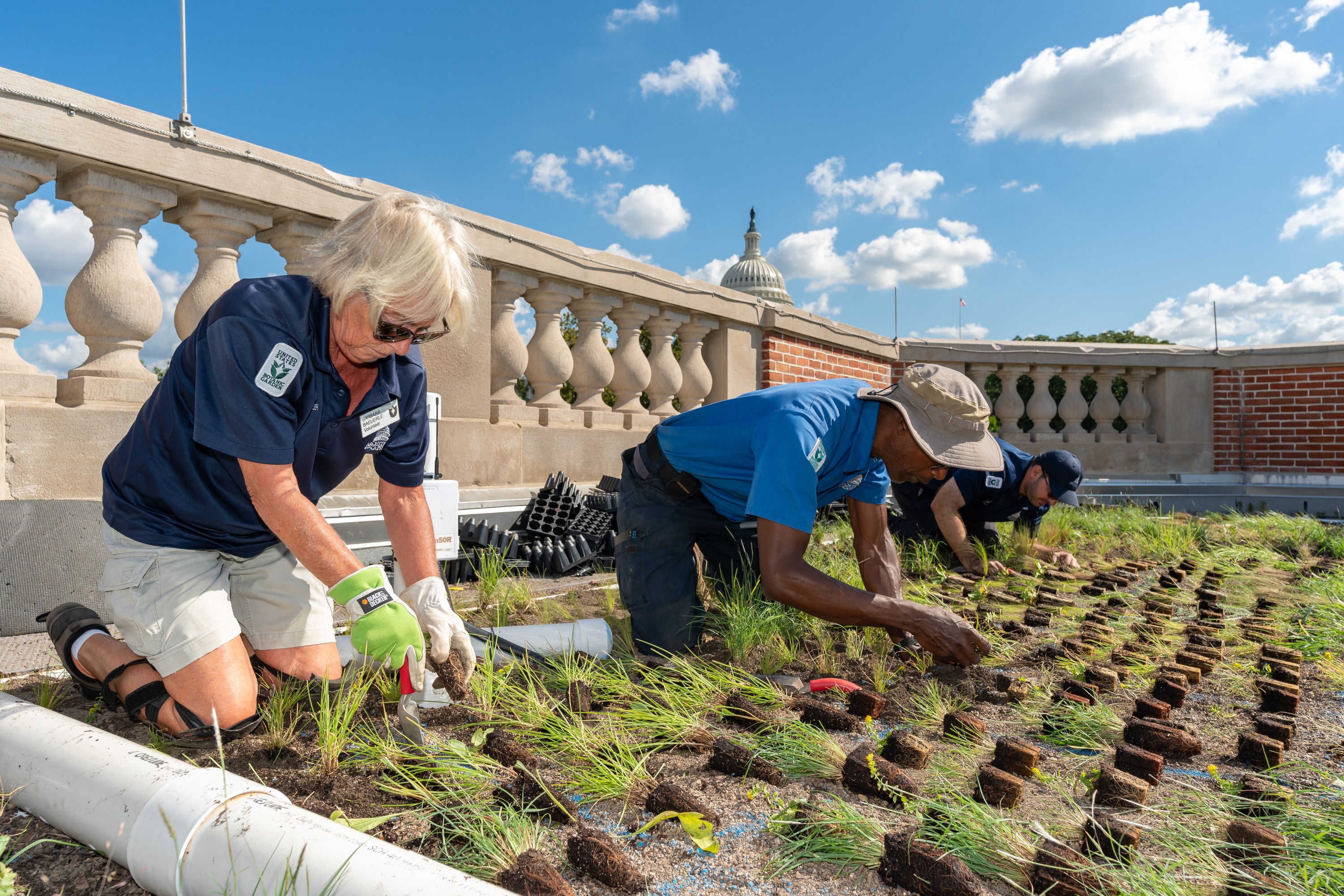
9. The Botanic Garden added its first green roof in 2019.
In October, the Botanic Garden established its first green roof on the conservatory in a research project with scientists from the University of Maryland. Many green roofs traditionally use sedum, a hardy plant that features succulent leaves and clusters of flowers, but only half of the 29,000 plants placed on the conservatory roof are sedum — the other half is native grasses, according to Botanic Garden spokesperson Devin Dotson. The researchers will look to compare how the native grasses perform versus the common green roof plant material.
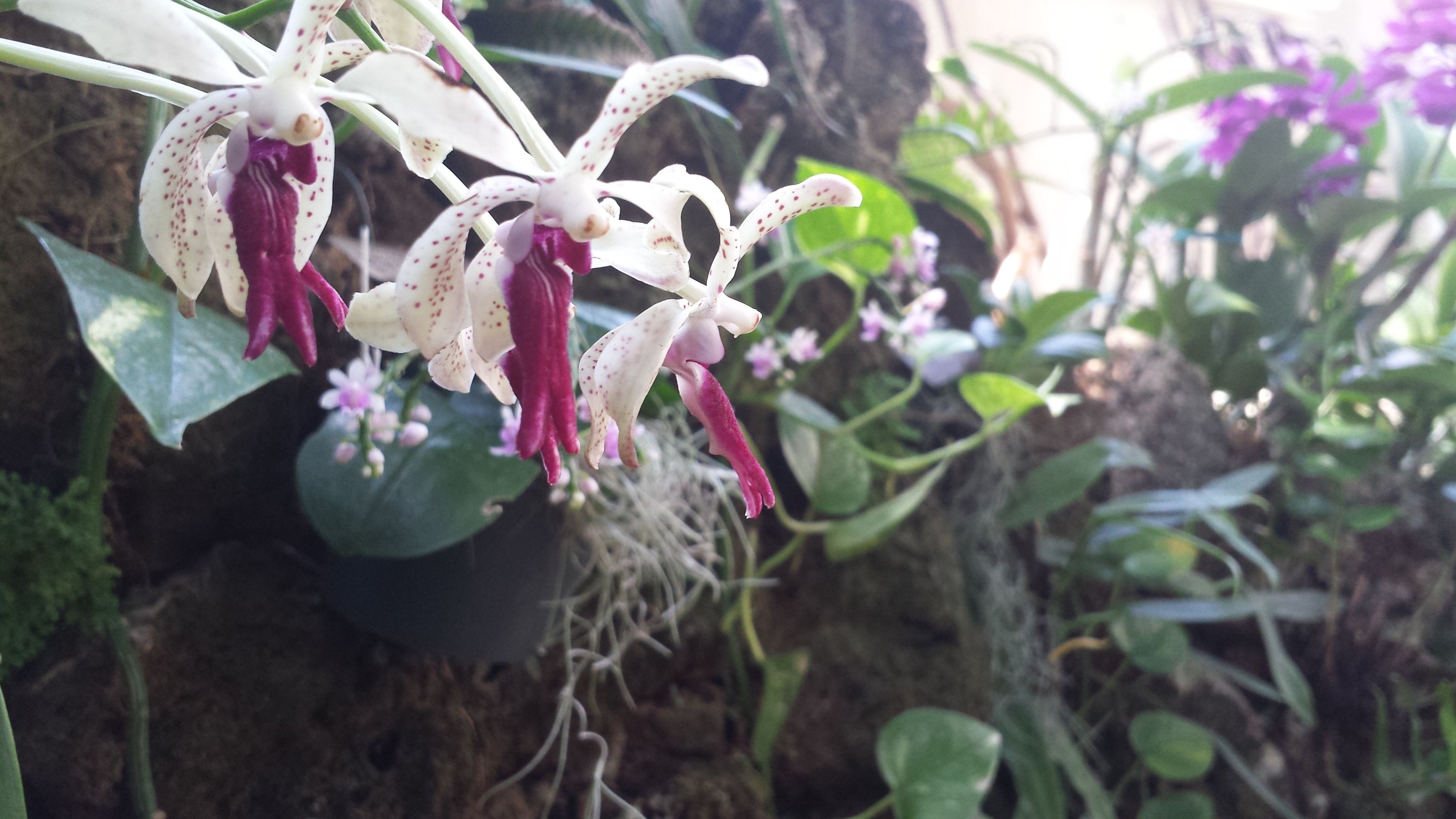
10. Only about 30 to 50 percent of the garden’s plants are on display on any given day.
The Botanic Garden has roughly 65,000 plants, though most of them are at its production facility in Anacostia. That greenhouse complex was completed in 1993, and it has 85,000 square feet under glass. The facility is not open to the public except for an annual open house, but workers frequently shuttle plants back and forth, whether changing out an exhibition or swapping in blooming orchids for ones past their prime.
And among some of the Botanic Garden’s most celebrated holdings is its orchid collection, with about 4,000 plants. (Last year, an orchid enthusiast in Northern Virginia gave a significant boost to the orchid count by gifting his collection of 600 orchids to the Botanic Garden.) Orchids are highly susceptible to viruses, requiring careful transportation and management — so much so that the flowers gifted last year were quarantined for three months until they could be determined to be healthy and free of disease.
This story has been updated to correct the amount of the Botanic Garden’s growing space.
Previously:
10 Facts You Probably Didn’t Know About The U.S. Capitol
10 Facts You May Not Know About Congressional Cemetery
10 Facts You May Not Know About National Airport
10 Facts You Probably Didn’t Know About Union Station