 Jordan Pascale
A sweeping bill that aims to help reduce traffic deaths in the District passed the Council unanimously Tuesday.
The Vision Zero Omnibus bill has been in the works for 16 months and aims to implement more than a dozen ideas to help reach D.C.’s goal of eliminating traffic deaths and serious injuries by 2024.
It includes a mix of new or modified infrastructure, driver education and stricter traffic laws.
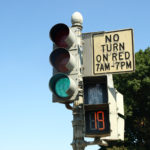
Among the provisions, it requires the District Department of Transportation to perform annual reviews on 15 of the most dangerous streets and intersections, limits drivers’ ability to turn right at red lights at busy pedestrian intersections and gives residents an easier process to make an intersection an all-way stop.
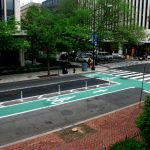
It also mandates that previous plans for bus and bike lanes be built out, and accelerates the process.
The bill calls for 125 red light cameras and 30 stop sign cameras that catch and ticket drivers by 2024. It would also create the first bus lane cameras in the District to catch drivers who aren’t supposed to use the bus-only lanes.
It also requires large residential buildings to have pickup/drop off spaces to reduce double parking and blocked bike lanes, and to increase penalties for contractors who don’t restore crosswalks and bike lanes after projects.
For enforcement, the bill tackles a tough multi-jurisdiction issue. It requires the mayor to negotiate ticket reciprocity agreements with Maryland and Virginia. Nearly all of the outstanding tickets come from out of state drivers, according to the Washington Post. Reciprocity would allow other states to stop registration if the driver has outstanding tickets in the District.
Bikes will be required to have rear lights at night, though riders couldn’t get ticketed for that offense alone.
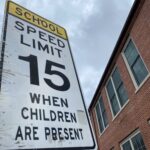
One provision, mandating a speed limit change to 20 mph on residential and local roads, was already implemented earlier this year by Mayor Muriel Bowser.
But the major parts of the bill will require significant funds, to pay for building sidewalks on both sides of road and painting crosswalks where there are no markings. That would happen when there’s any major road construction or repair.
Those costly proposals, totaling up to $171 million over four years, will come later. In July, the council agreed that the cheap or free parts of the bill will could be enacted first.
The Vision Zero Omnibus bill was introduced last May after a rash of high profile traffic deaths and a series of rallies for change.
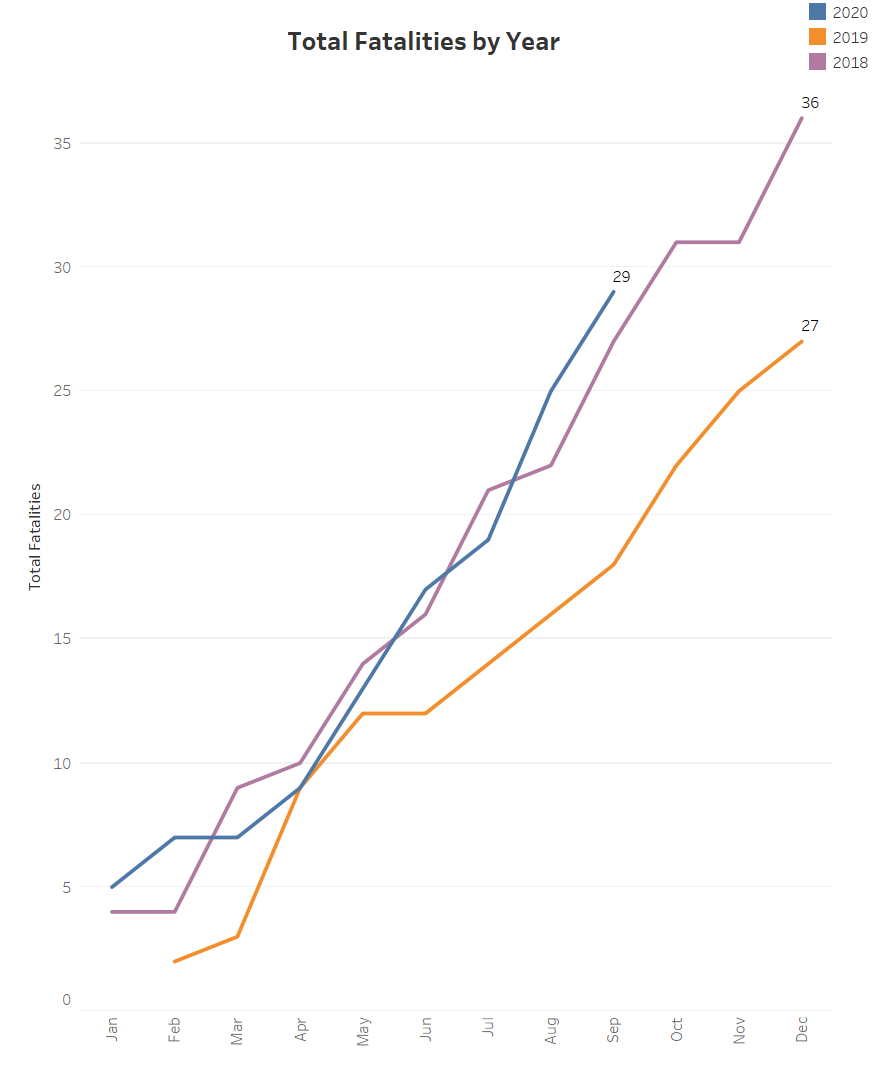
D.C. has not made extensive progress on the Vision Zero goal since it was adopted in 2015. Traffic deaths have slightly increased since then with a dip last year.
But in 2020 D.C. could potentially be on pace for a 10-year high of fatalities, despite historically low traffic due to the coronavirus pandemic. Drivers have been speeding far more with congestion down.
Councilmember Charles Allen introduced the bill with seven other councilmembers. In a statement, he said the bill wouldn’t get the District to zero deaths on its own, “but I feel much more optimistic about our future than I did a year ago.
“The rise in deaths on our road this year, even while we are driving so much less, shows the urgency of taking bolder actions than we have in the past,” Allen said. “This legislation is the beginning of that action. I look forward to working with the Mayor to see that it is funded and fully implemented.
“Nobody should lose a friend or loved one again simply because they took a walk to run an errand or a bike ride home.”
Several advocacy groups, including the Washington Area Bicyclist Association, applauded the bill’s passage but said more work needs to be done.
“Because many changes in this bill require additional funding to implement, we still have a long road ahead to fully fund the bill during next year’s budget,” the group said in a tweet.
The Vision Zero Omnibus bill was introduced last May after a rash of high profile traffic deaths and a series of rallies for change.
The bill now goes to Mayor Muriel Bowser and Congress for approval.